

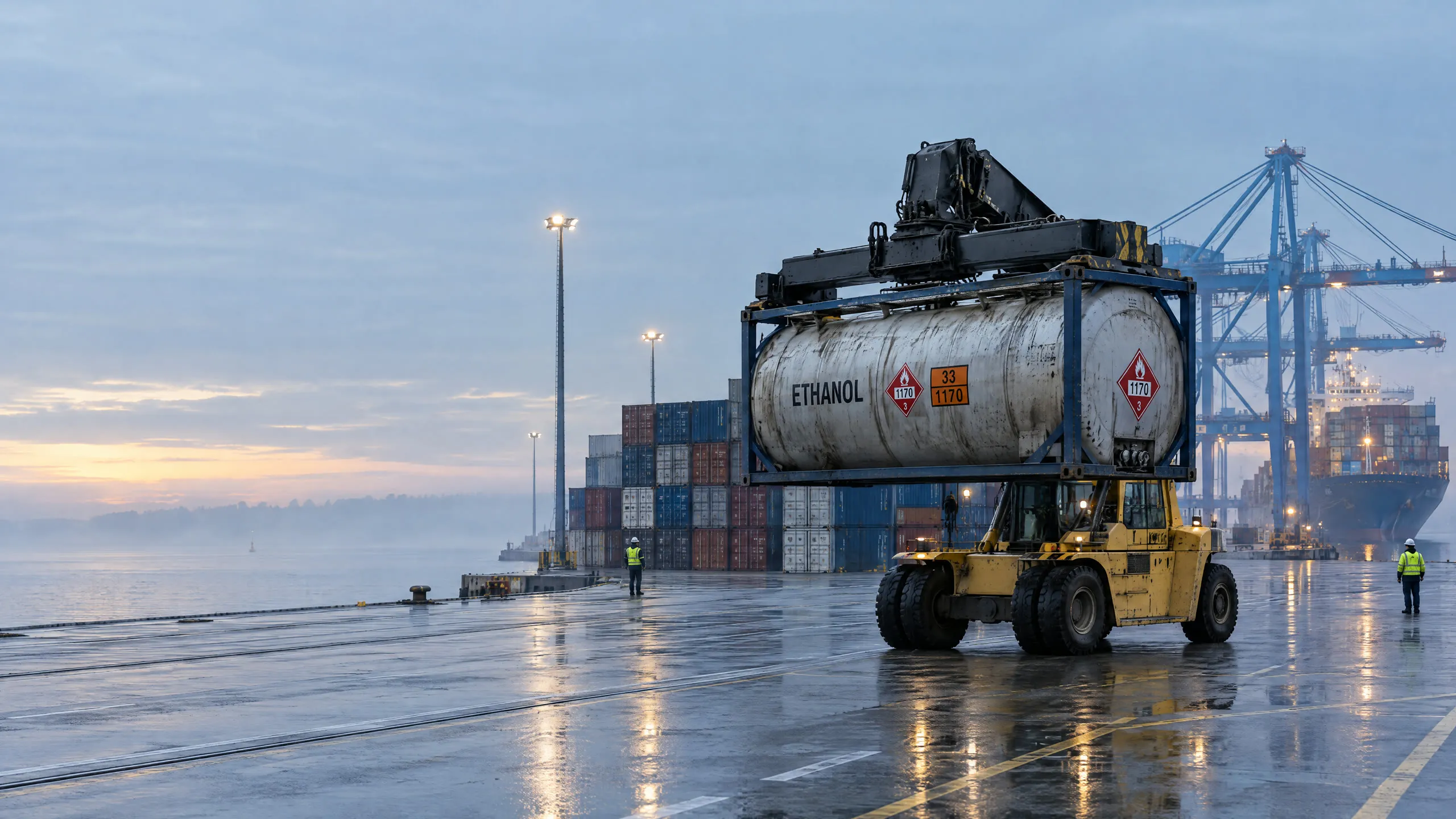
Safety for everyone who works with dangerous goods
ADRplus builds the safety infrastructure for dangerous goods transport — a DGSA, a platform, an academy, marking and open knowledge in one system. The work has been running since 2015 from Riga for companies across Europe.
- 10+years in dangerous goods
- 60+companies under supervision
- 1,000+drivers instructed
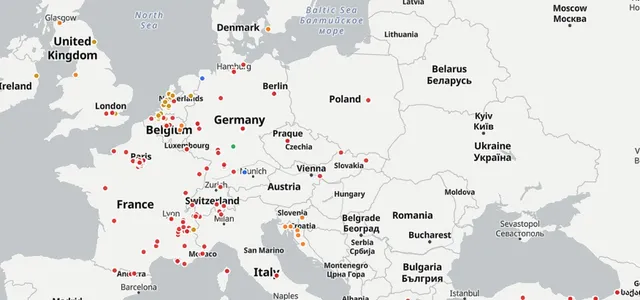
- 5EU countries
Safety first. Always.
The dangerous goods industry is fragmented. Advisers work alone, the rules change every two years, and knowledge does not reach the people who load, drive and receive. Small companies cannot afford serious compliance and work “for the record” or with no adviser at all. Preventable incidents happen exactly there.
ADRplus exists to change this. The task is to turn ADR compliance from the scattered effort of each company into a shared capability of the industry. Safety must be within reach of a company with three trucks just as it is for an international group with a compliance department. Not the “minimum acceptable level”, but the real goal the rules were written for.
Safety within reach of every company
An adviser, documents, training and marking at a price a small carrier or a warehouse with occasional shipments can carry.
Knowledge reaches the people on site
Free tools, a knowledge base, a trainer and courses under chapter 1.3 — in the language of your team and without registration wherever possible.
One standard across Europe
Remote work and the platform give a company in any ADR country the same level of compliance.
What ADRplus is
Five parts of one whole — from the adviser’s conclusion to the label on the package. Everything comes from one practice and one base of rules.
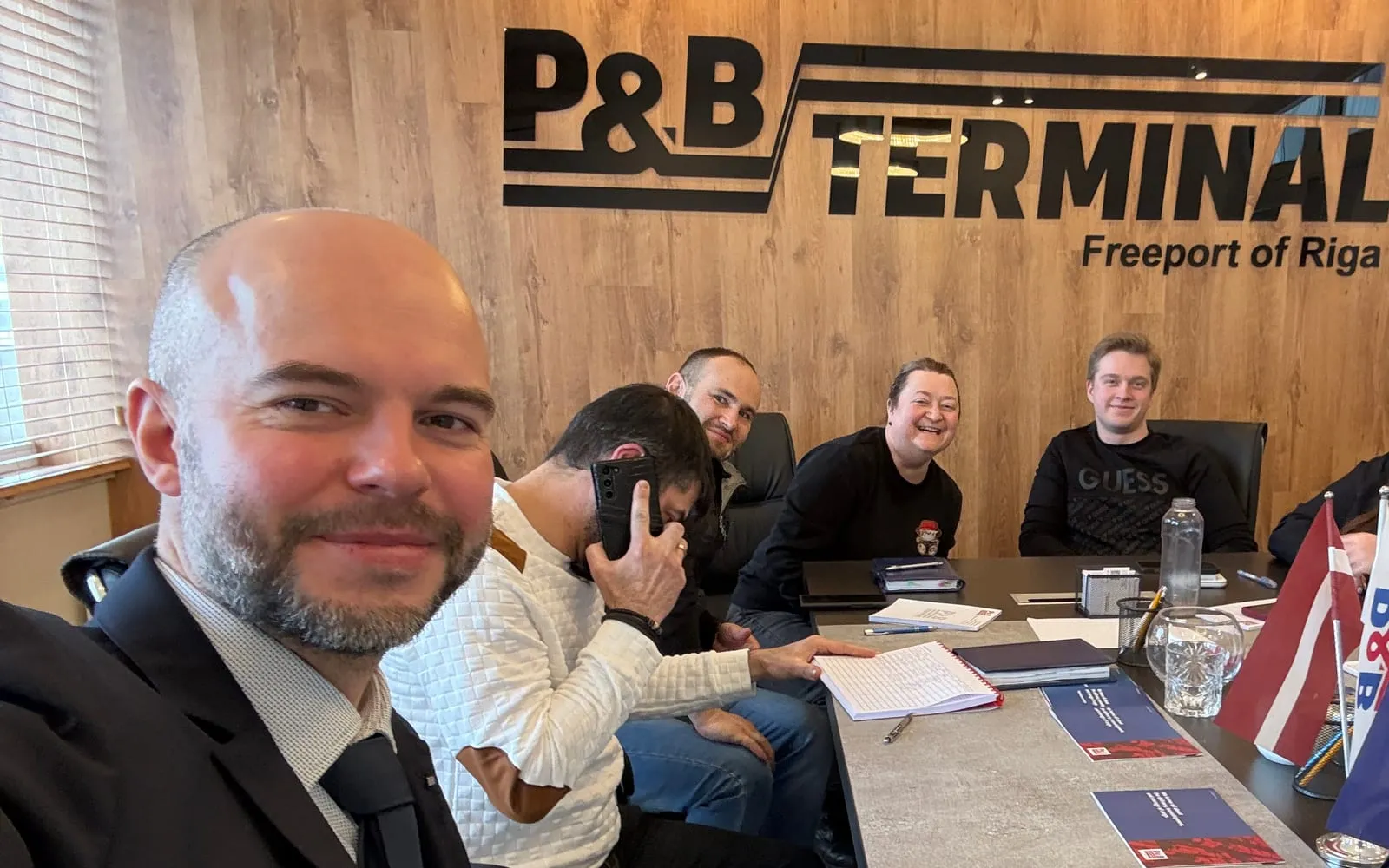
DGSA
An appointed safety adviser under 1.8.3 for companies in any ADR country. Audit, annual report, documents, security plan.
DGSA services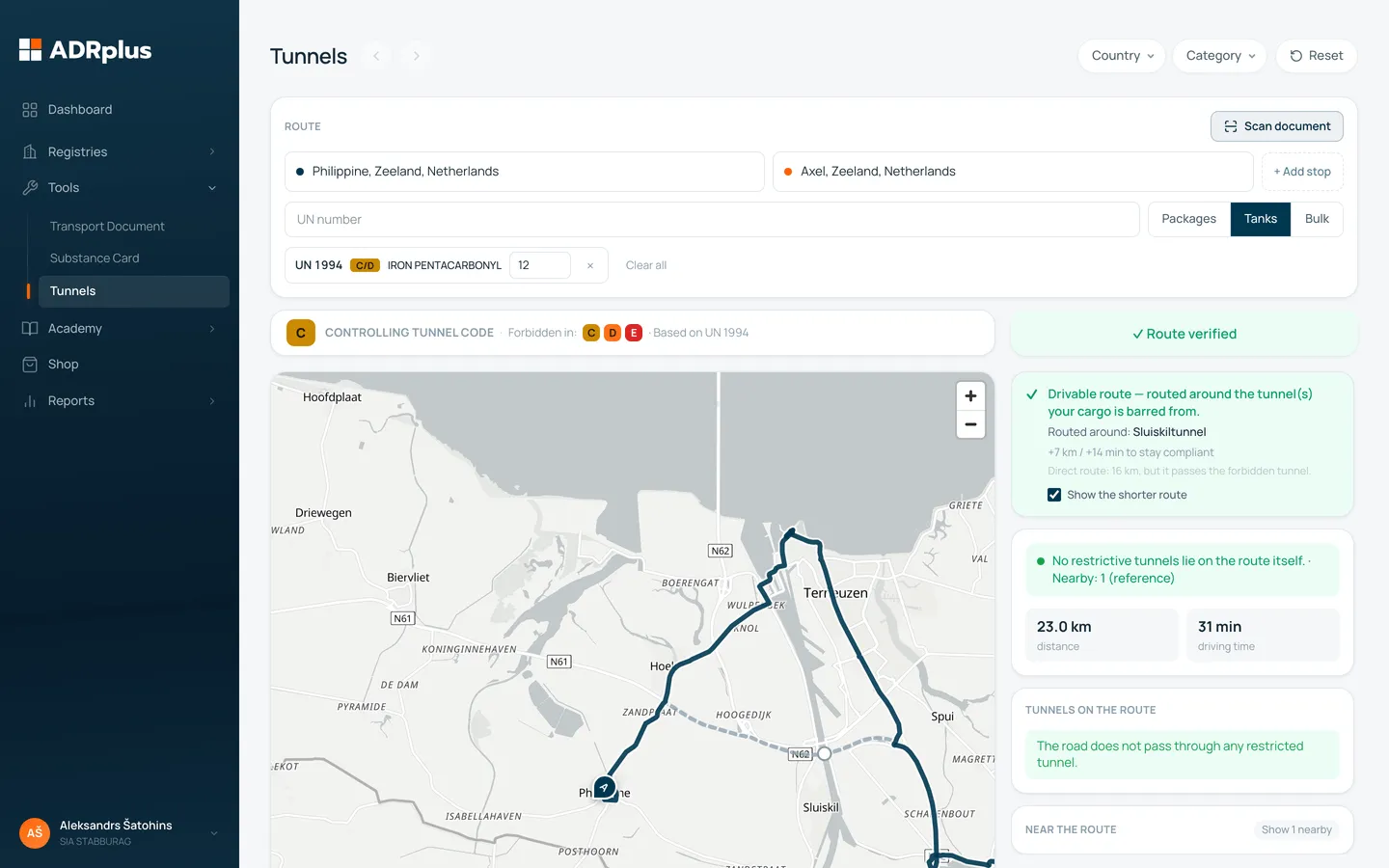
Platform
app.adr.plus — the workplace of a company with dangerous goods. Duties, documents, staff training and Table A data in one window under the adviser’s supervision.
About the platform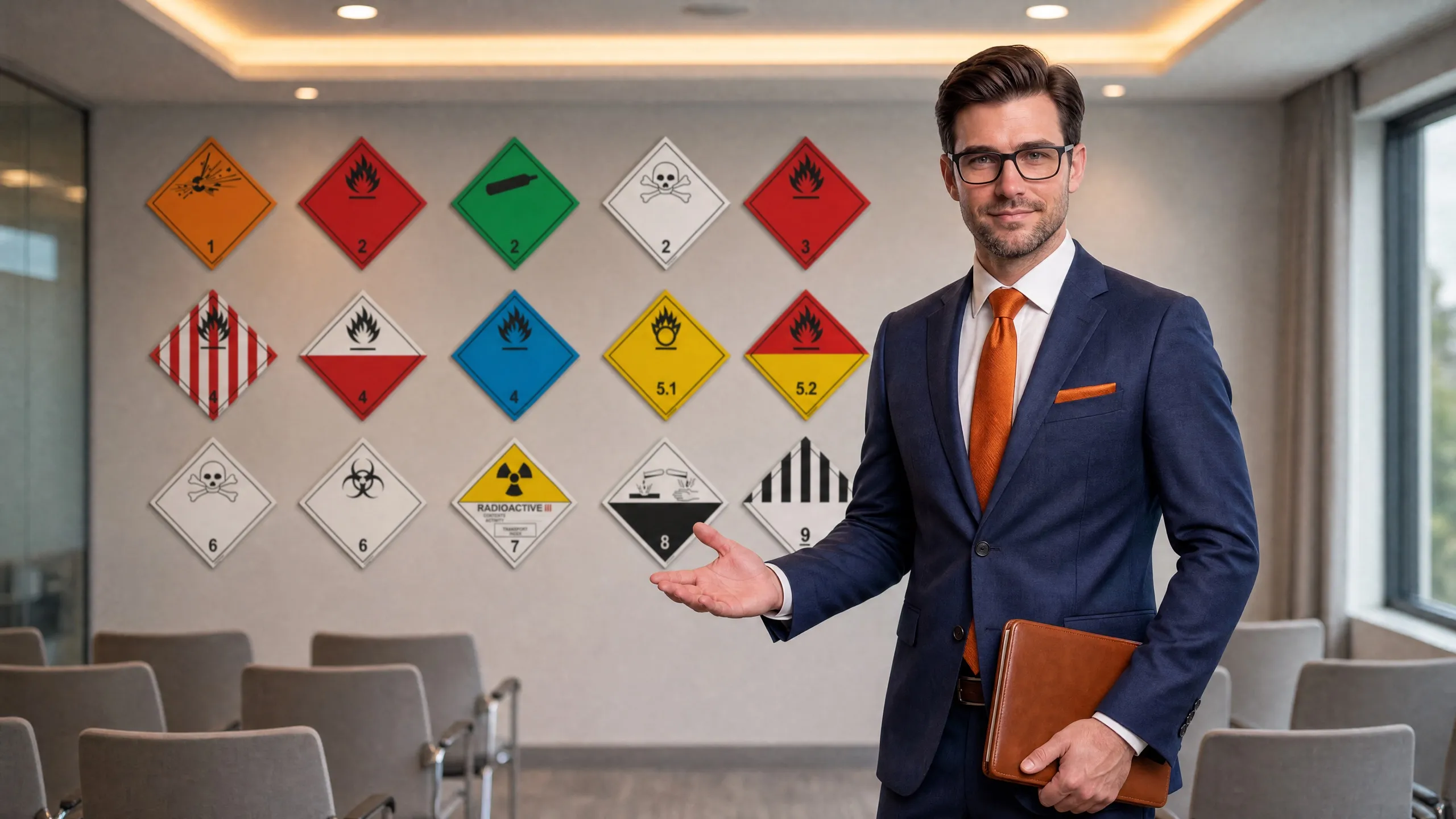
Academy
Chapter 1.3 courses for every participant in carriage — from the consignor to the unloader. Presented by Alex, the AI instructor, with content prepared by the adviser.
To the academy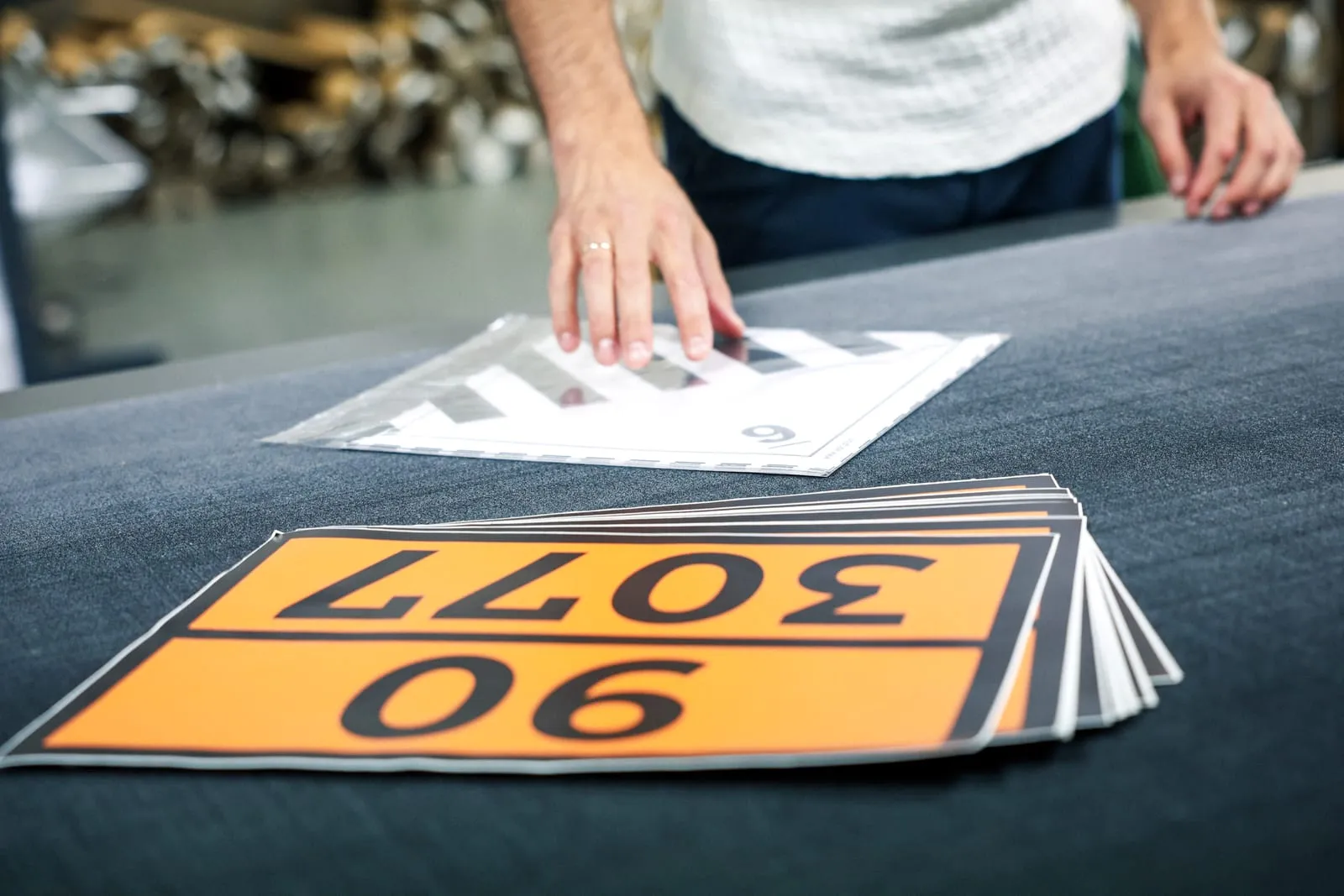
Marking
Hazard labels, orange plates and marking for the client’s task — artwork, printing and quality control, delivered across the EU.
To the shop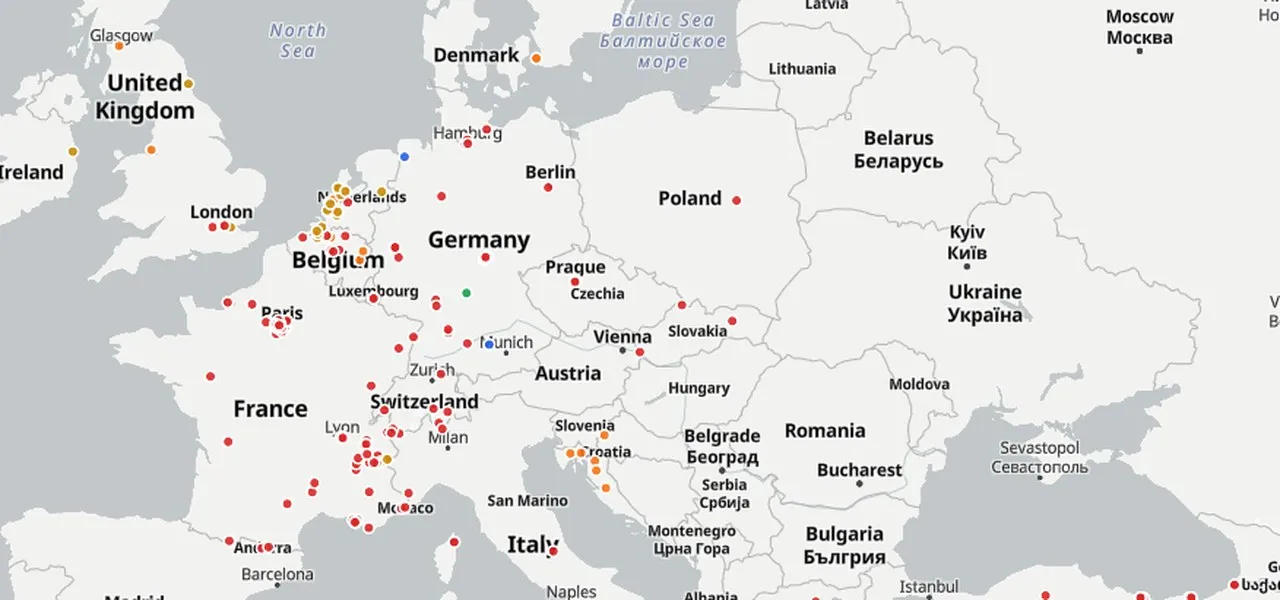
Knowledge base
UN number search, European tunnels, the 1.1.3.6 calculator, pages for 55 ADR countries, a free trainer and ADRplus Media. No payment and no registration.
To the knowledge baseUnderneath everything — a regulatory base where every rule leads to the text of ADR and national acts and is updated with each edition of the agreement.
The rules change. Safety does not.
A new edition of ADR comes out every two years. The goal stays the same — the dangerous goods arrive and the people come home.
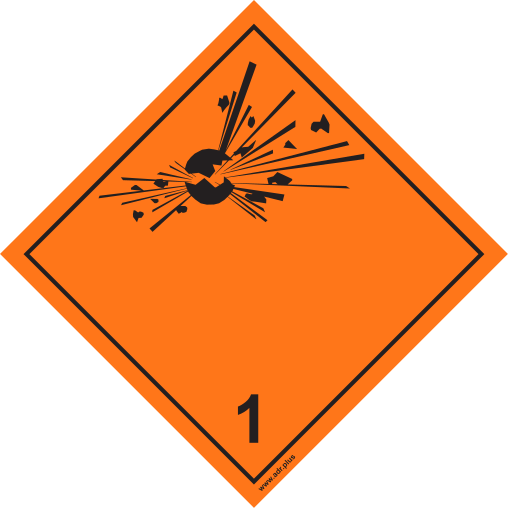
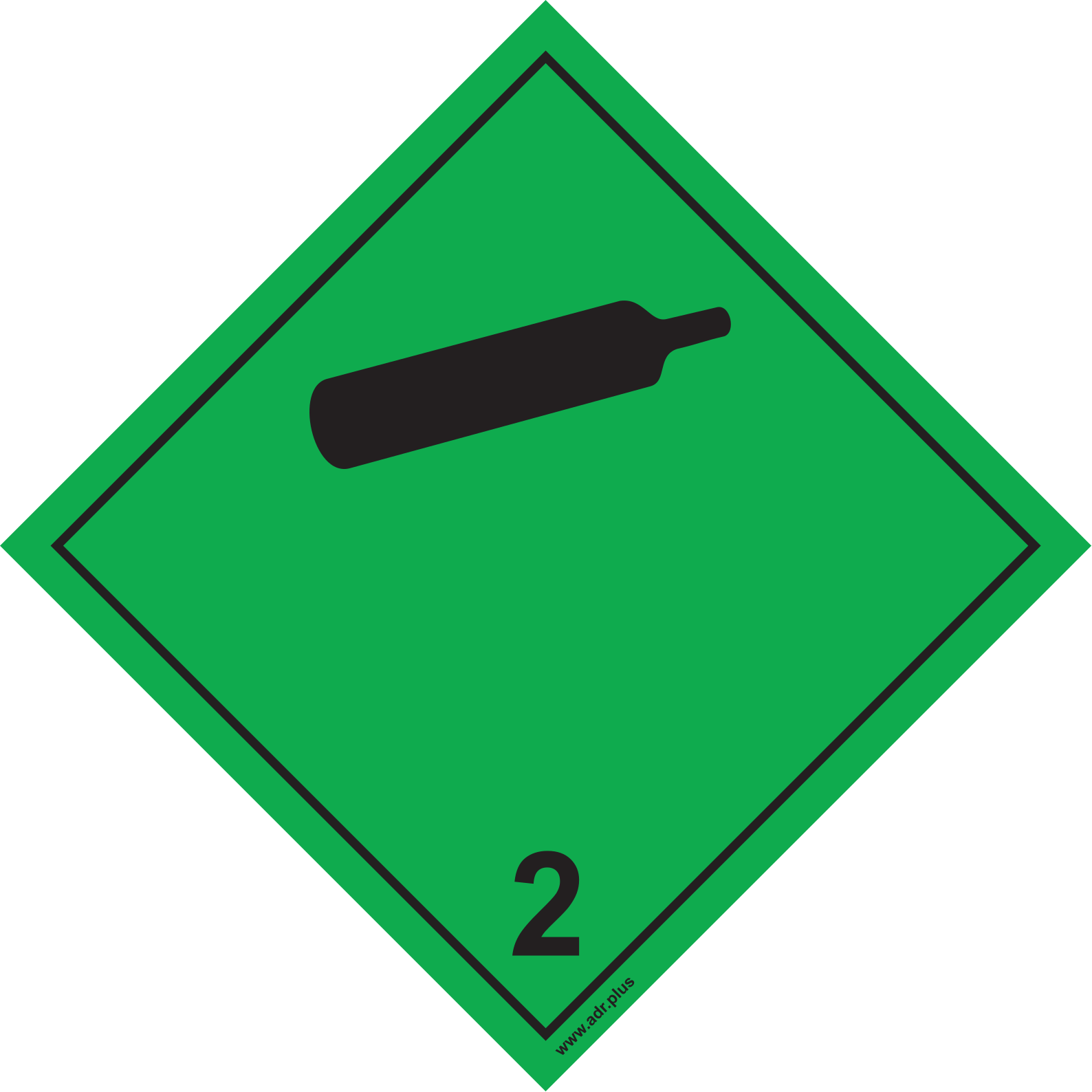
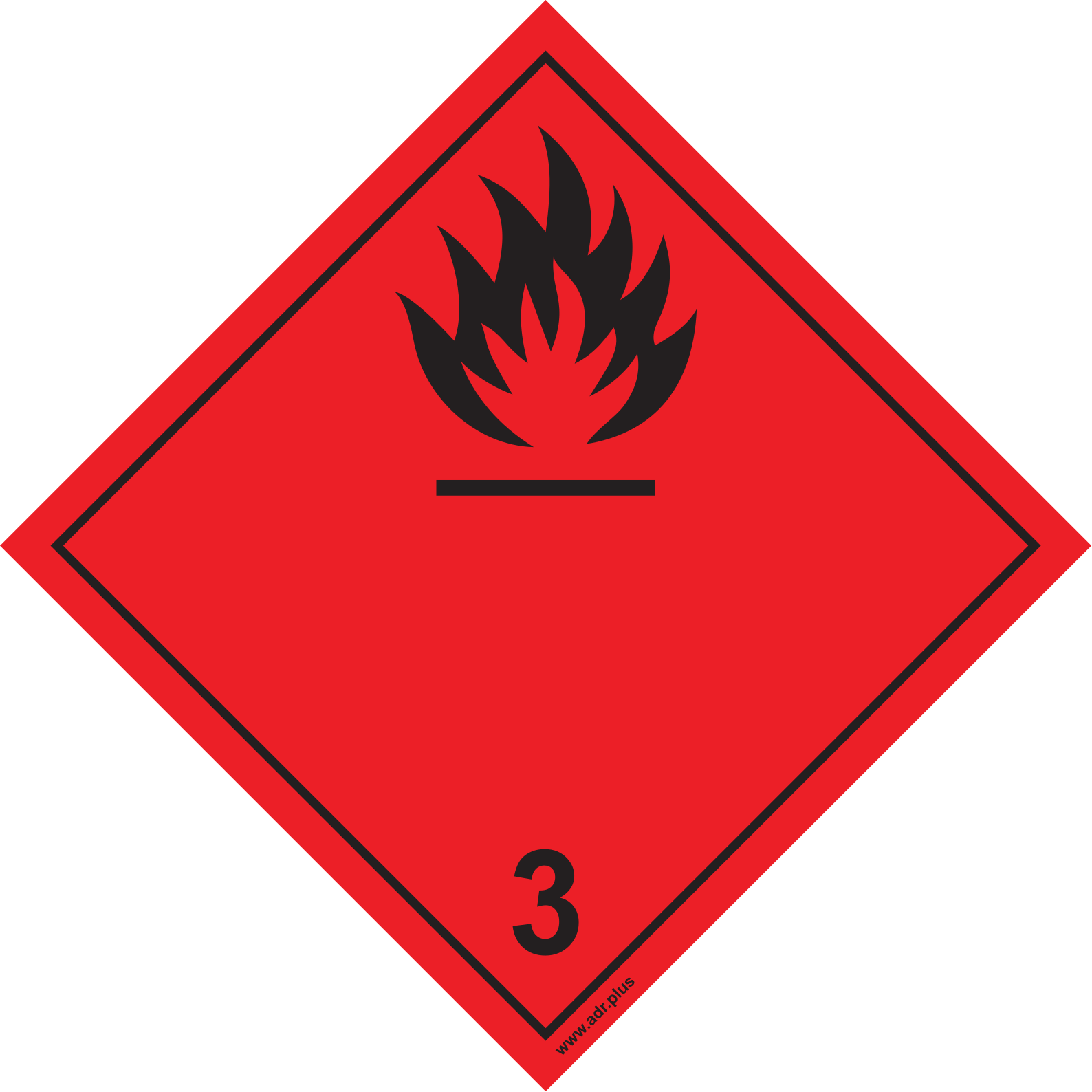
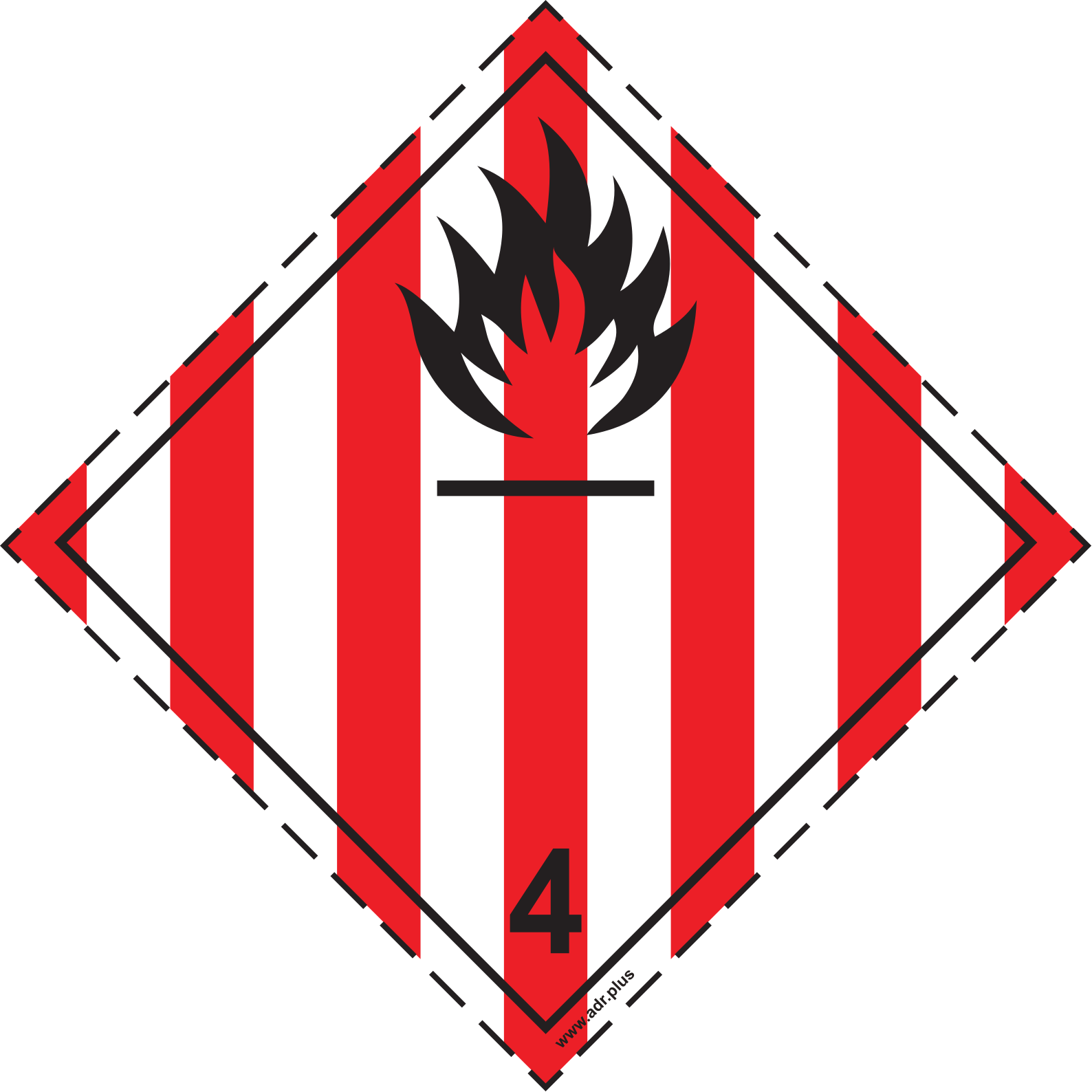
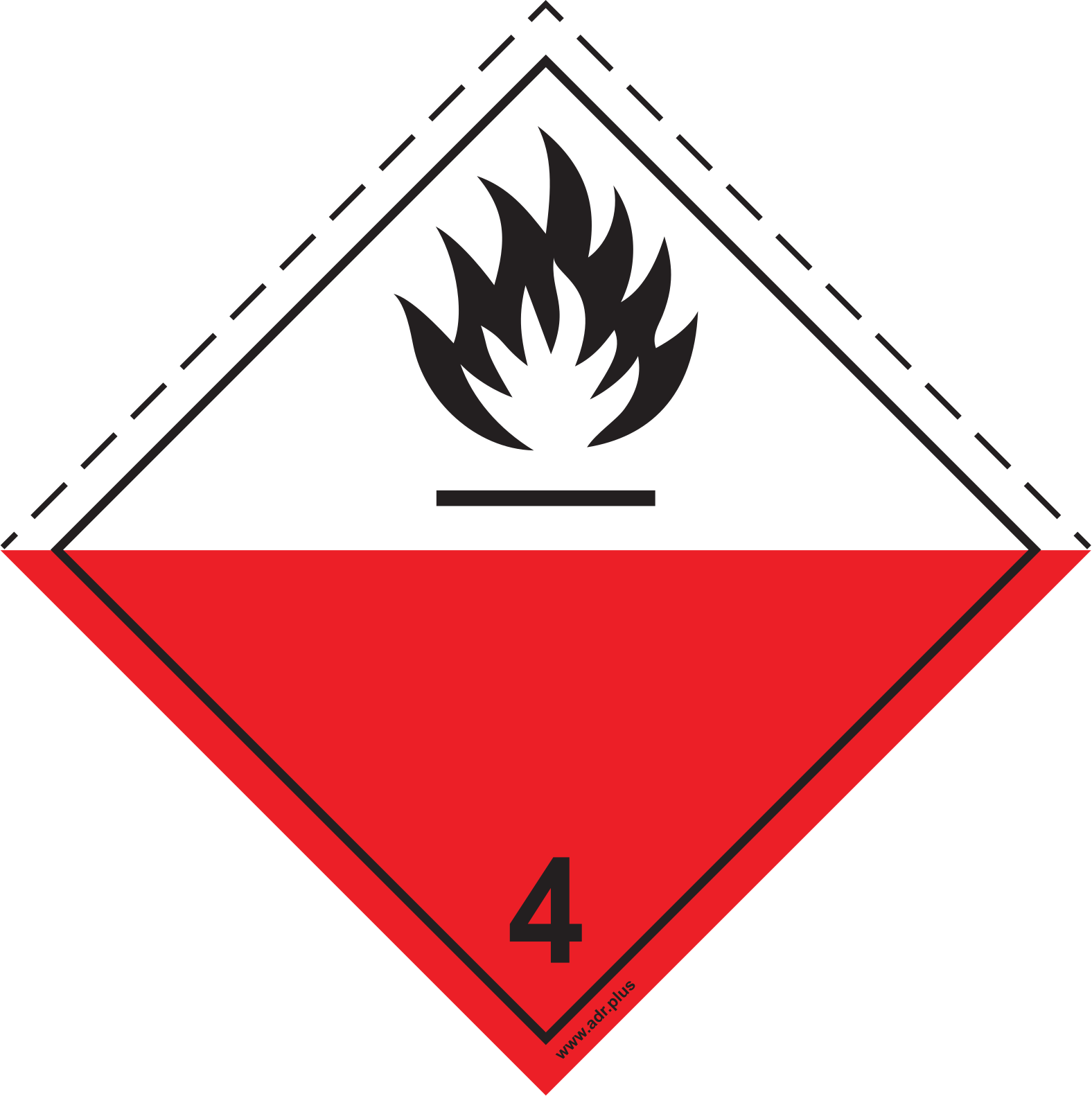
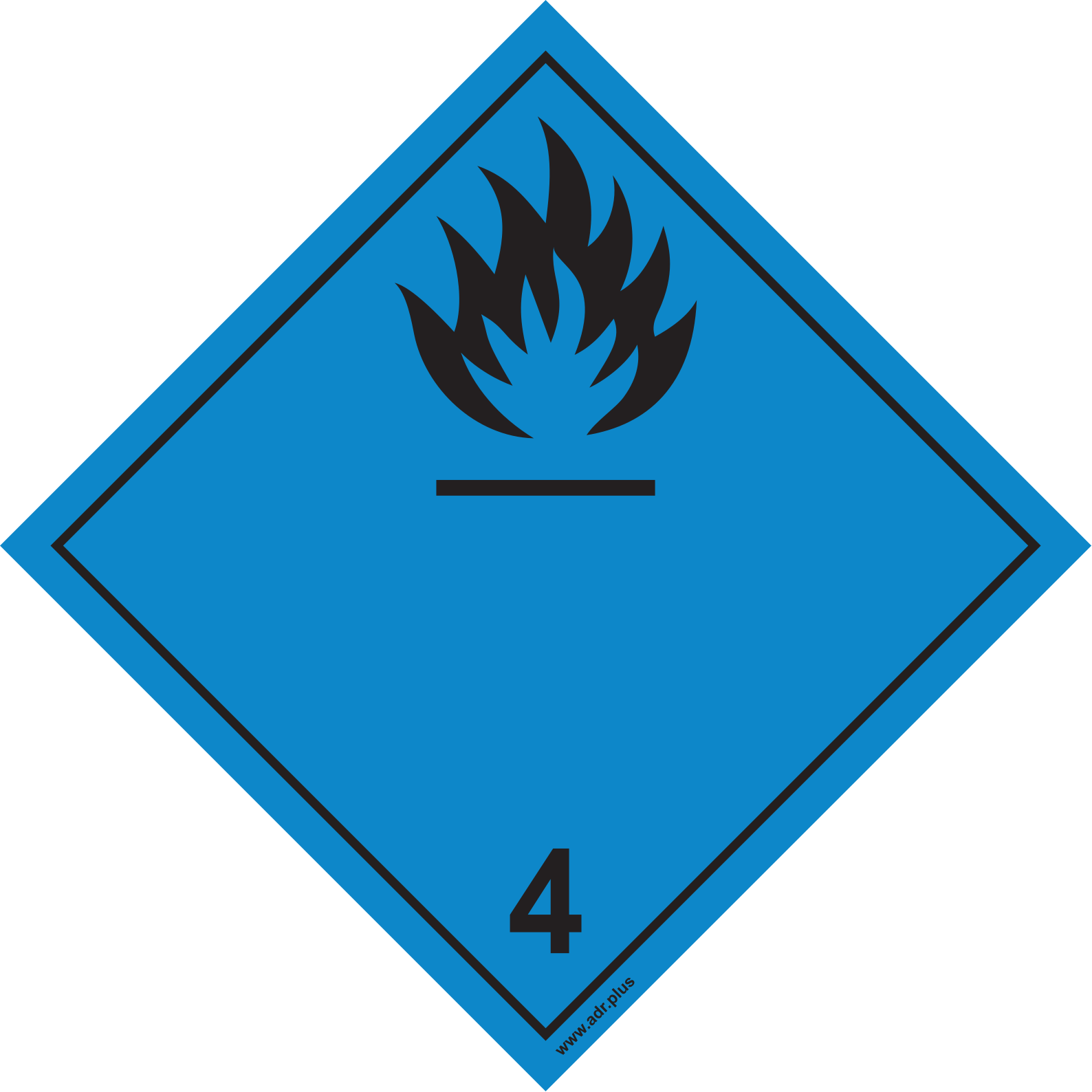
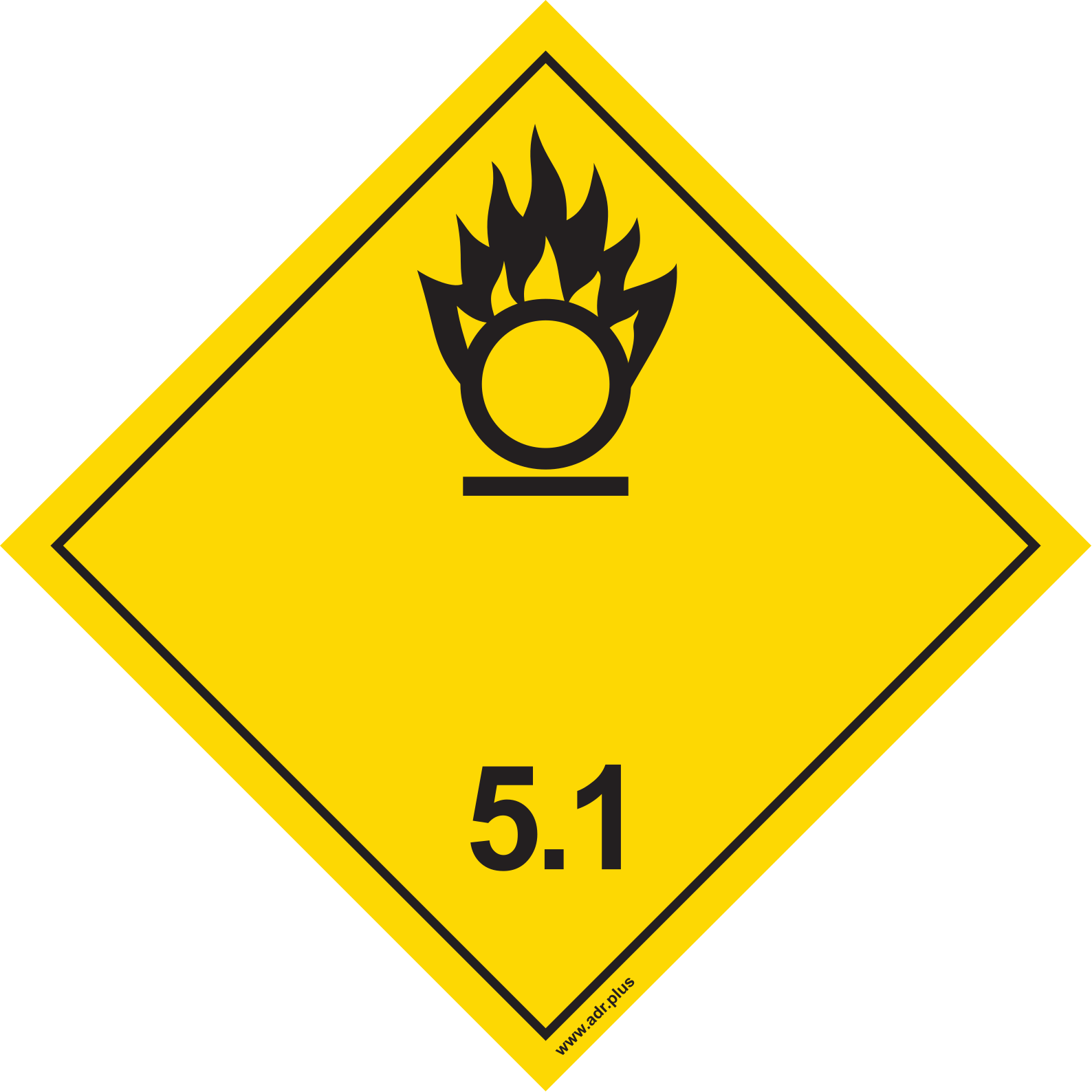
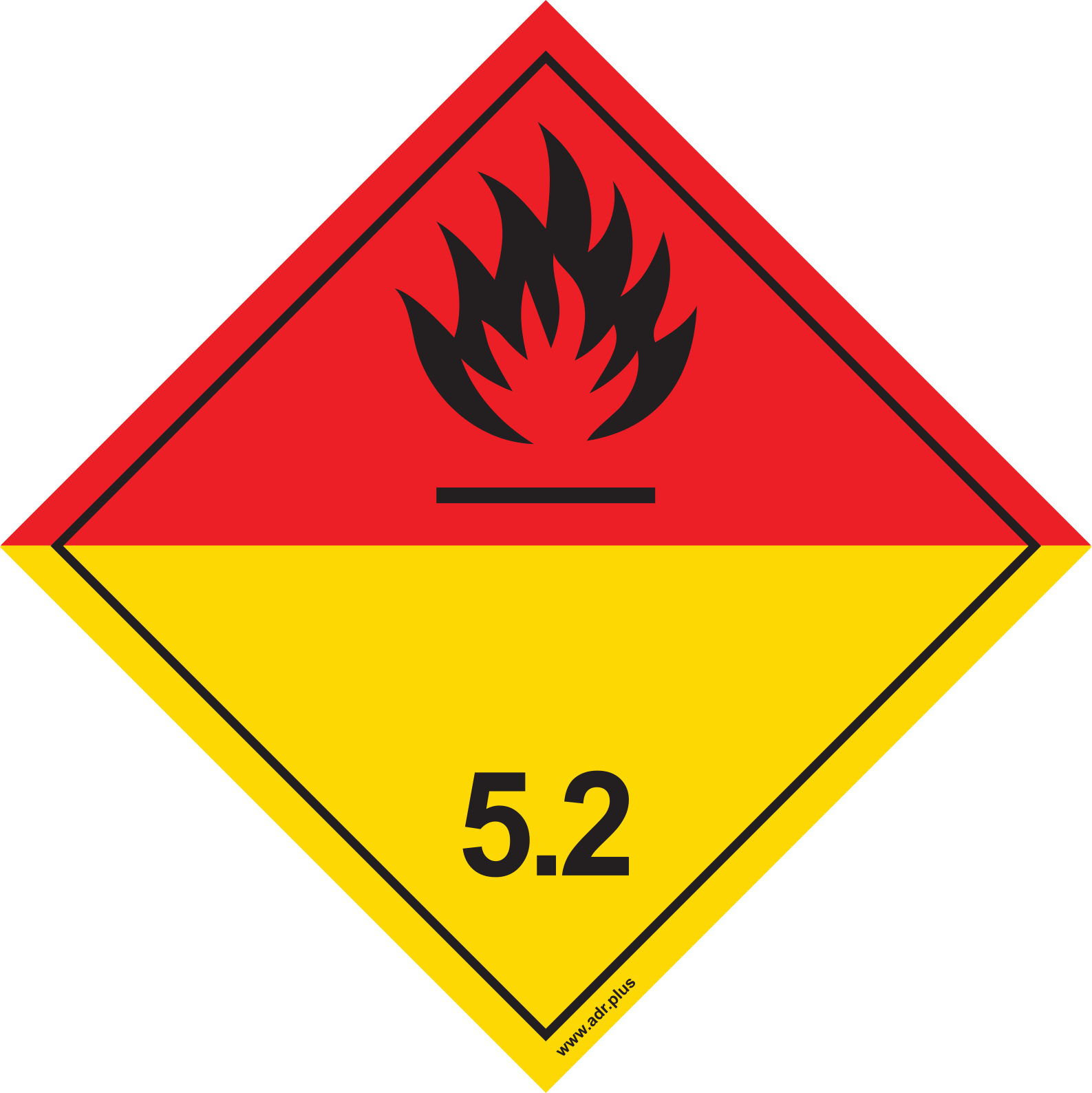
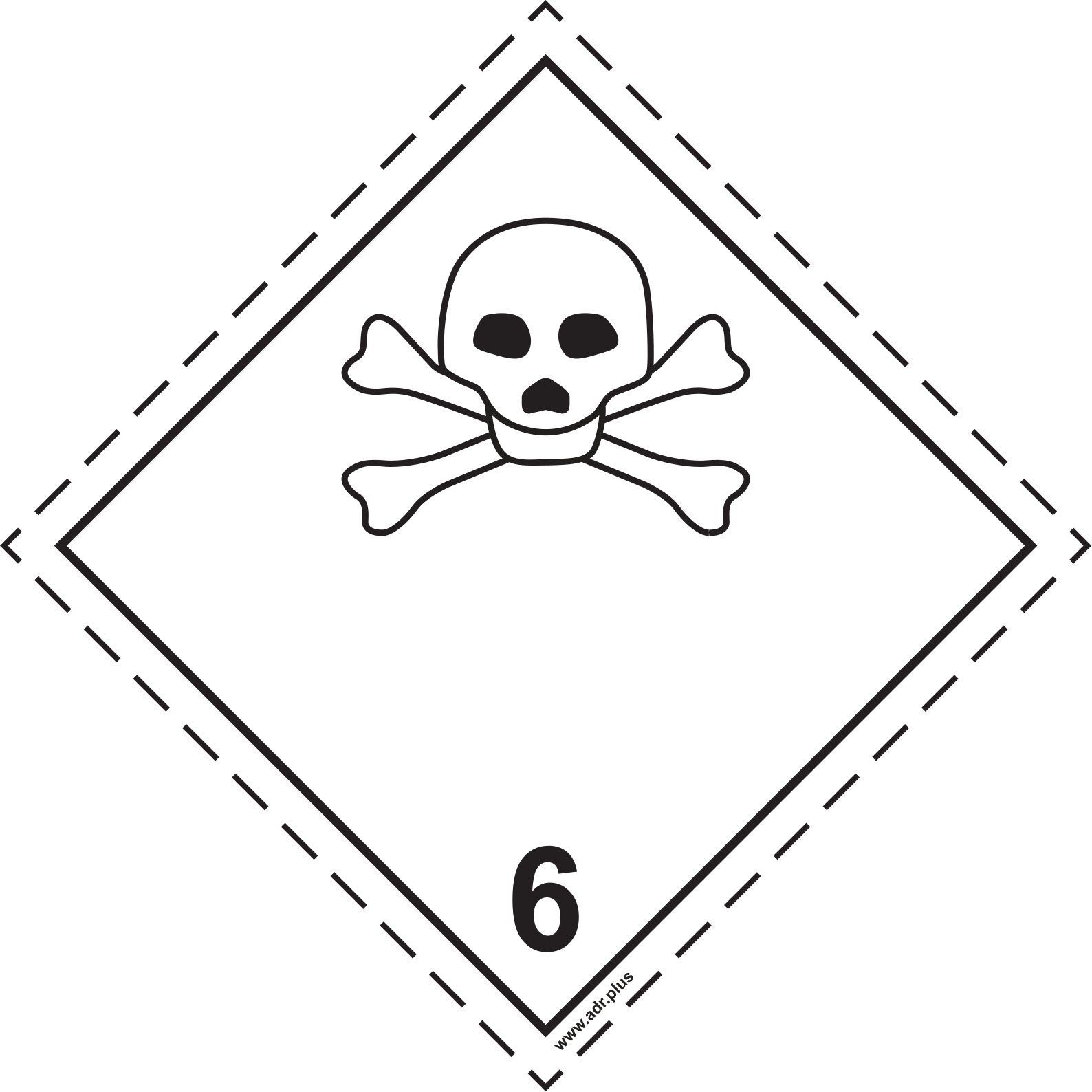
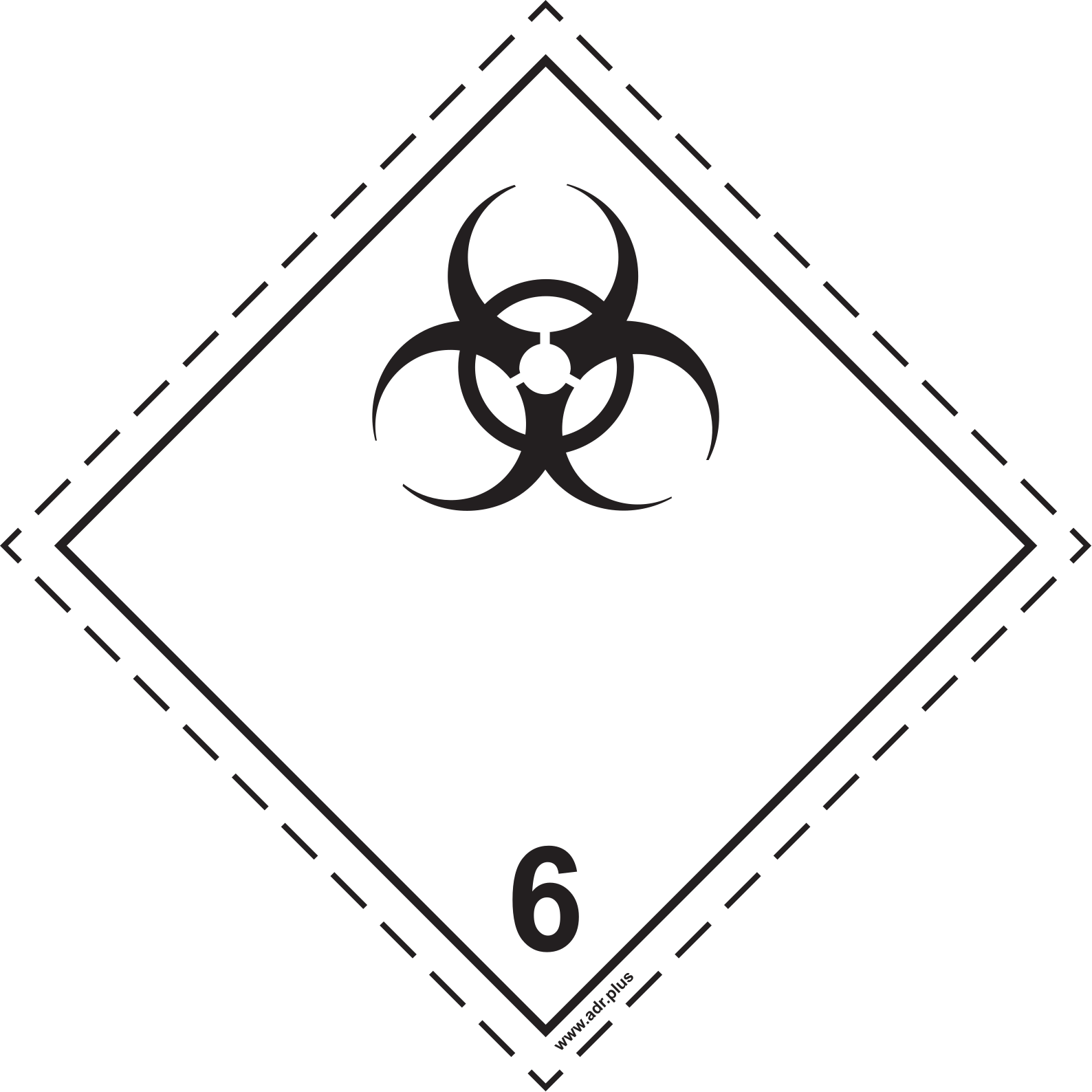
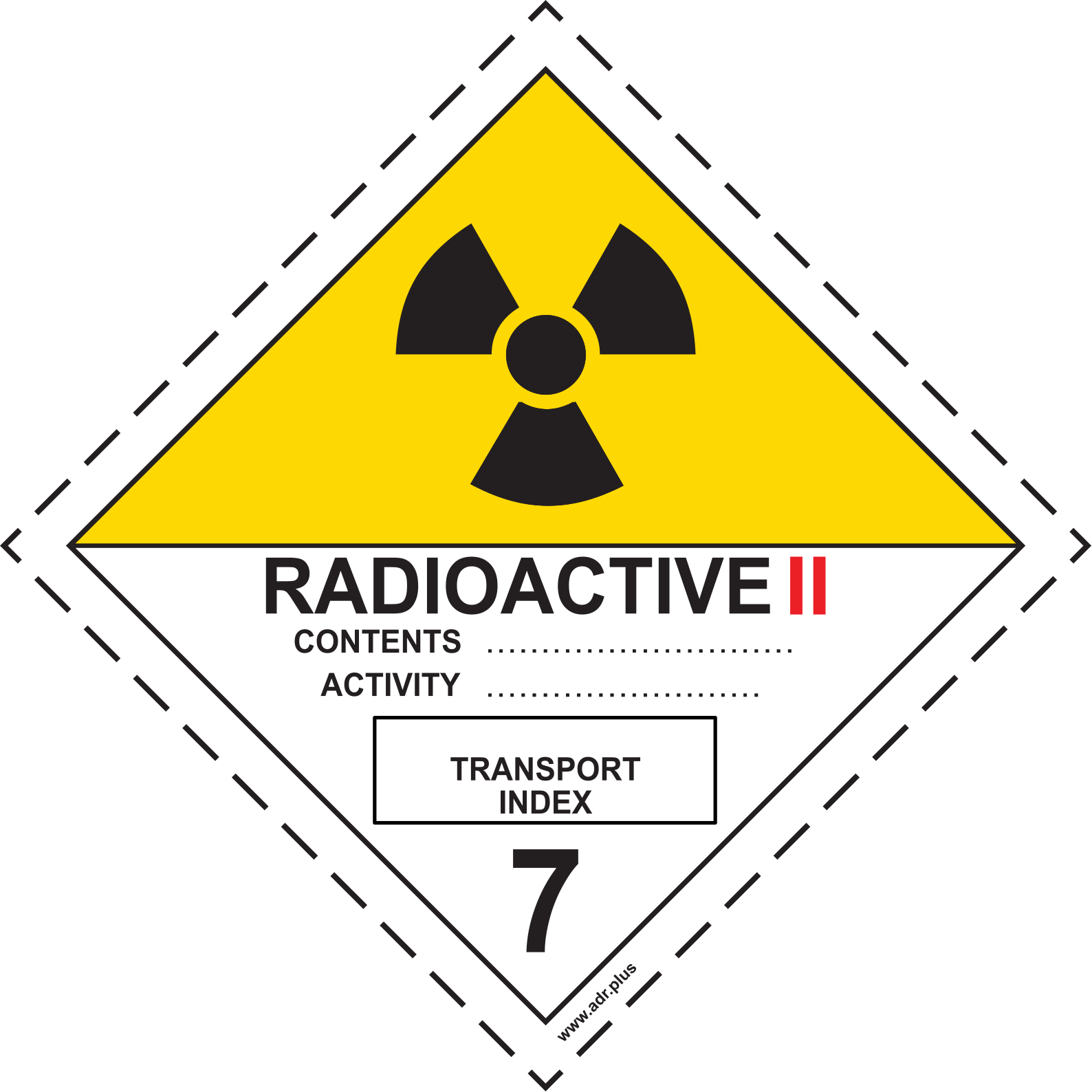
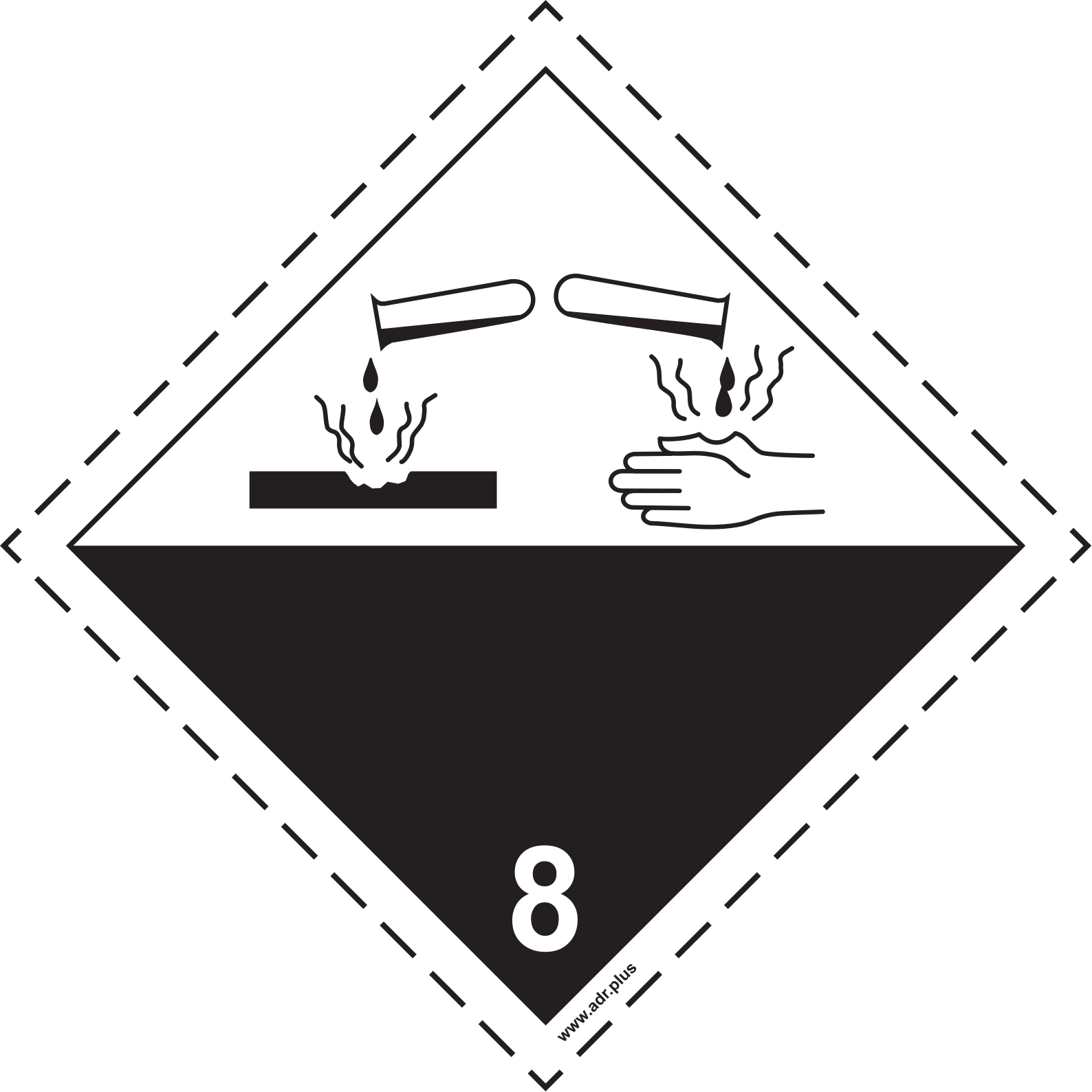
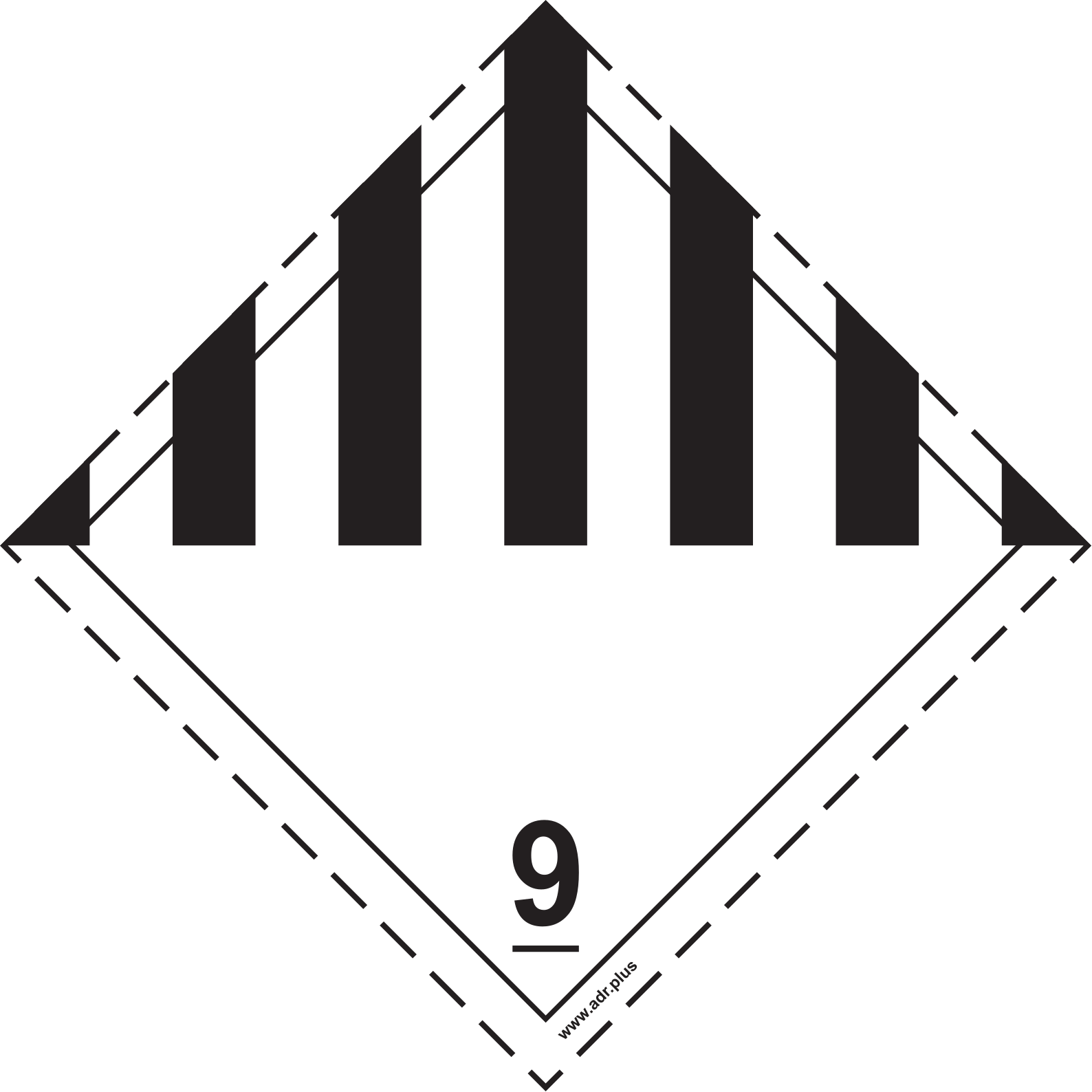
13 hazard classes — one language of signs for the whole transport chain.Hazard classes
Ten years of one practice
ADRplus grew out of the adviser’s daily work — every part of the system appeared as an answer to a task clients came with.
2015
DGSA certificate. Practice begins in Latvia.
2020
Printing of marking — artwork and labels for clients’ tasks, control of the whole production process.
2022
First client outside Latvia for the DGSA service.
2025
Clients in five EU countries.
2026
The new adr.plus and the app.adr.plus platform — knowledge base, academy, shop and the company’s workplace.
2027
A new edition of ADR — an updated course line and rule base by the time it enters into force.
Rules that are never broken
Six principles shape every decision — from an answer to a client to a line of code on the platform.
- 01
Safety first
Safety is chosen even when it is inconvenient, unprofitable or slow. Every decision passes one question — does it make the carriage safer.
- 02
Primary sources or nothing
Every statement leads to the text of ADR, a national act or an official clarification. There are no retellings and no “that is how it is done” here.
- 03
Safety above the interests of the parties
Rules, company interests and safety almost always coincide, and then compliance comes easily. Where they diverge, ADRplus chooses safety — that protects both people and the client’s reputation.
- 04
Technology serves people
The platform and tools remove routine so that people have time for what matters — safety. Decisions and responsibility always stay with the certified adviser.
- 05
Privacy as architecture
Data is collected in the minimum necessary amount, and protection is built into the system itself, not only into the text of a policy.
- 06
Trust is earned through discipline
Deadlines, documents and commitments are delivered as promised. A mistake, if it happens, is examined openly and corrected in the process, not hidden.
Who answers for the result
Behind every ADRplus conclusion stands a certified adviser who answers for it personally. Around him — partners and technology, each in its role.
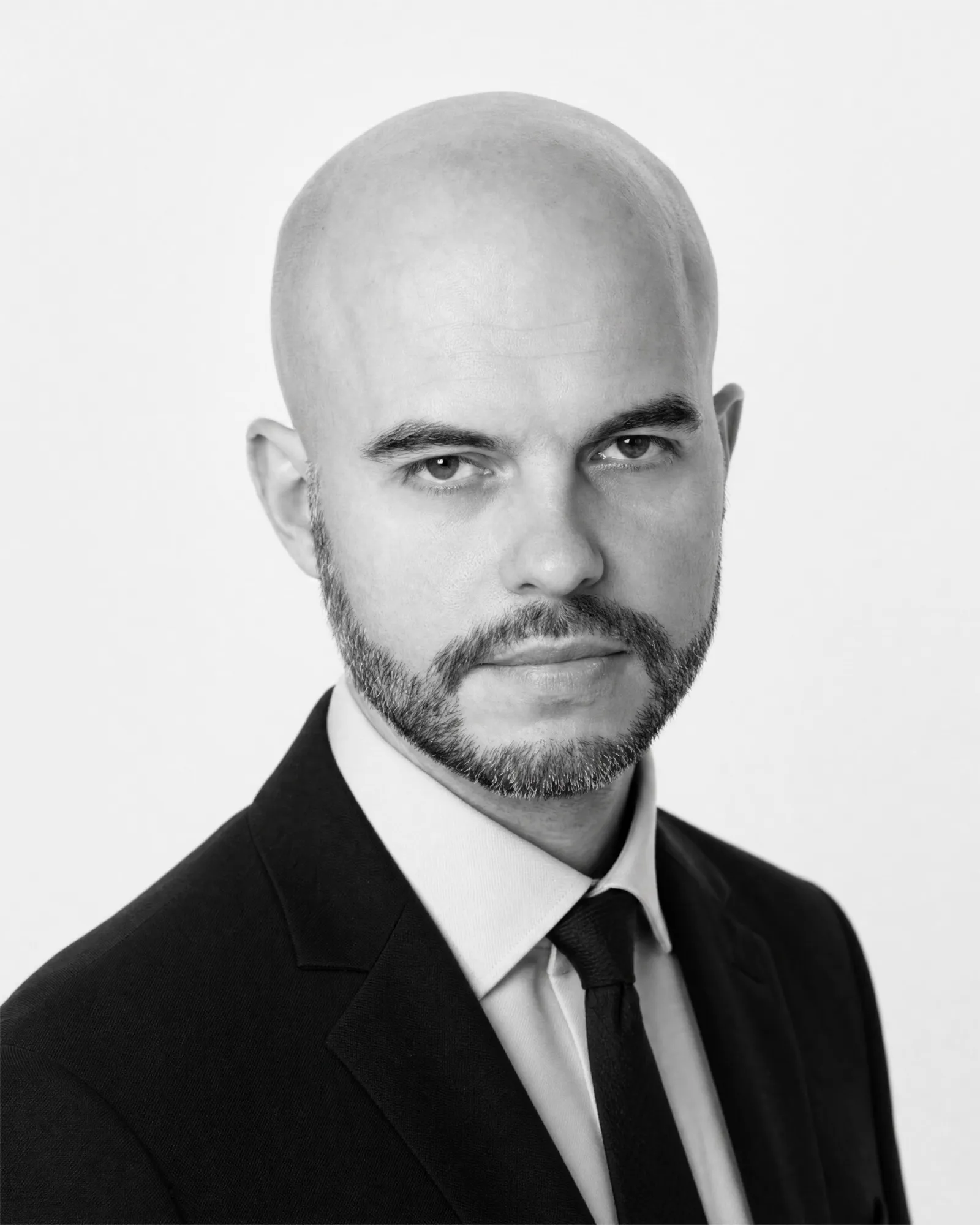
Aleksandrs Šatohins
Founder · DGSA
Certified DGSA, in the industry since 2015. Around 60 companies under ongoing supervision — from small workshops to international groups, with every class of dangerous goods. Clients in five EU countries.
Printing of marking
Artwork and quality control — ADRplus, print runs by a partner print shop.
Infrastructure and development
Servers, the platform and the website are maintained by infrastructure and development partners.
Legal base
Working with legislation and building its own legal base is a core value of ADRplus.
Specialists in adjacent fields
Occupational safety, fire safety, logistics — partnership with specialists in these fields in any ADR country.
Technology in this system is a tool. The platform, the trainer and the AI instructor work under the adviser’s supervision, and every regulatory statement is verified by him.
For specialists in adjacent fields — ADRplus is open to cooperation in any ADR country.Write to us

Where ADRplus is heading
By 2030 ADRplus is the reason dangerous goods transport in Europe has become safer. Fewer incidents, a higher level of compliance, better coordination between supervision and business.
Conscious work with dangerous goods
An appointed adviser, trained people and order in documents become the norm of the industry, not an exception for the few.
One standard across Europe
The platform and remote work make the same level of compliance available to a company in any country of the agreement.
Open dialogue with the authorities
Taking part in the development of the rules and tools that help inspectors and companies speak the same language.
The measure of ADRplus’s success is an industry where dangerous goods are carried consciously, and the rules are followed not out of fear of an inspection but because it is safer for everyone.
What is your question?
Write a few lines about your loads — requests are handled within one working day.