



Dangerous Goods Declaration for sea transport
Shipping dangerous goods by sea requires a Dangerous Goods Declaration — the IMO DGD under the IMDG Code. Attach the shipping documents you have, pay online, and a certified consultant prepares your declaration within one business day.
What to know before the port
The consignor is responsible
The dangerous goods declaration is drawn up and signed by the consignor — it is their document under the IMDG Code. We prepare it for you as your consultant.
IMDG 5.4.1.6.1
No declaration, no loading
The port and the ferry accept dangerous cargo only with a DGD — a driver with a container will not be let on board without it.
IMDG 5.4.3.1 and SOLAS VII/4.2
Prepared in advance
The declaration goes to the booking agent and is agreed with the sea line before departure — and the truck drives calmly to the port.
IMDG 5.4.1.1.1
How it works
- 01
Attach documents and pay
Upload what you have — SDS, invoice, booking. No UN numbers needed.
- 02
We prepare the declaration
A certified consultant reviews your documents and drafts the DGD.
- 03
Ready to hand to the carrier
You receive the finished declaration by e-mail within one business day.
Order a DGD
Marking for this cargo
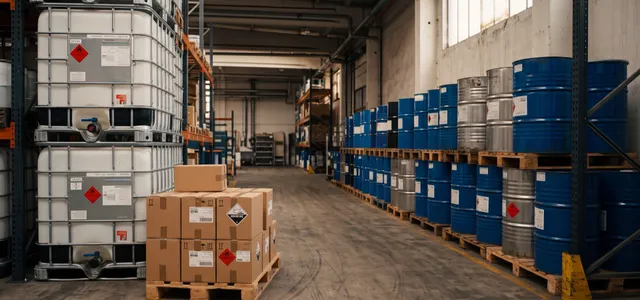
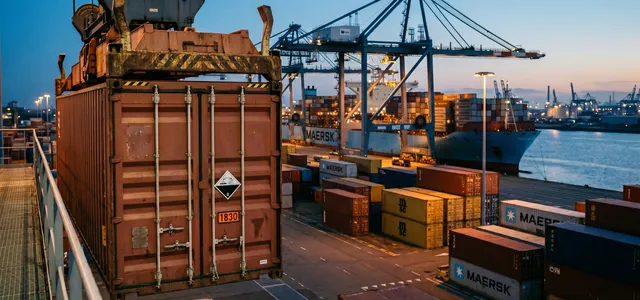
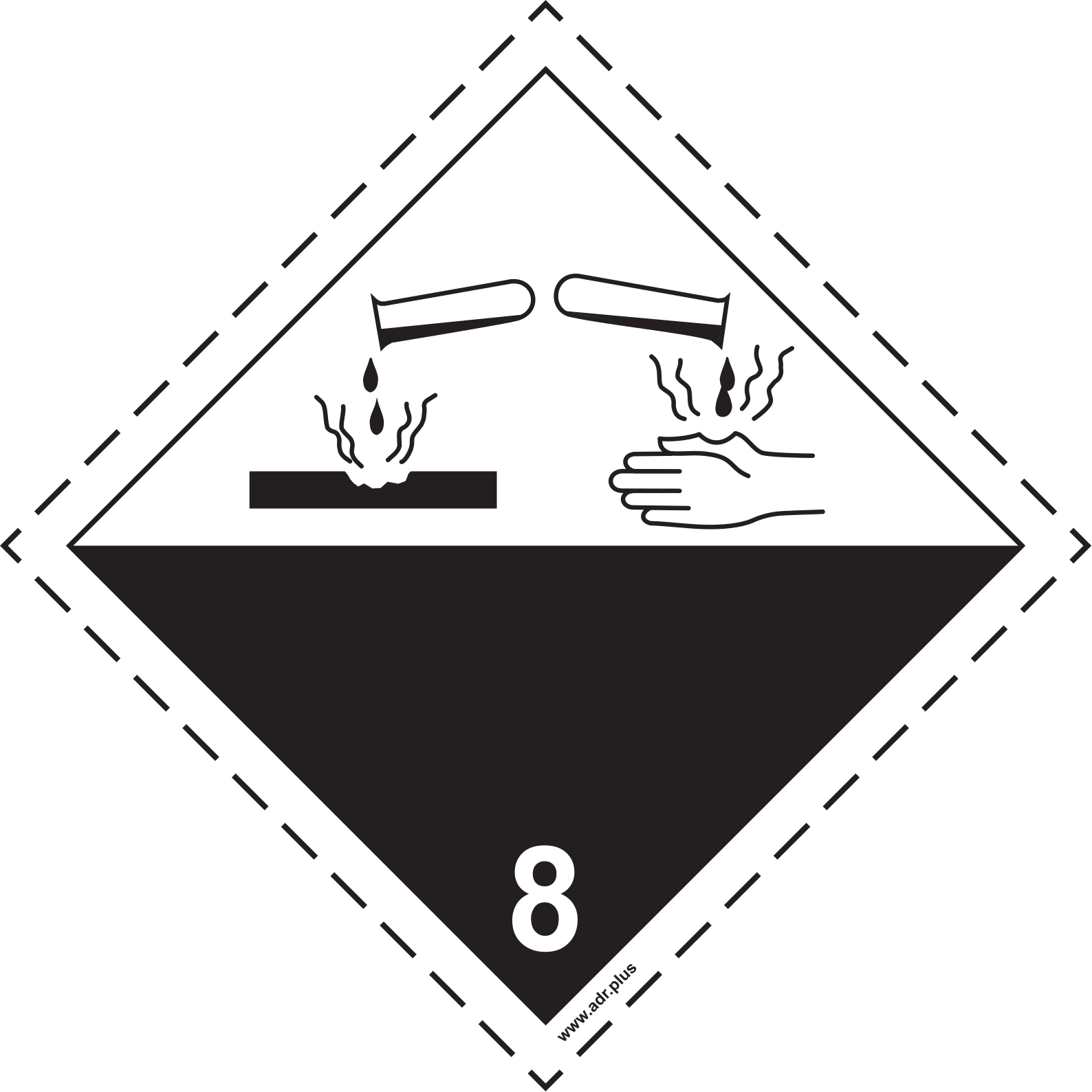
For a sea shipment the packages carry hazard labels — the same diamonds as in ADR. The container carries placards, as the IMDG Code part on marking and placarding requires. If you know your UN number, enter it above — we will show the labels.