

Cosmetics and aerosols — perfume is a dangerous good
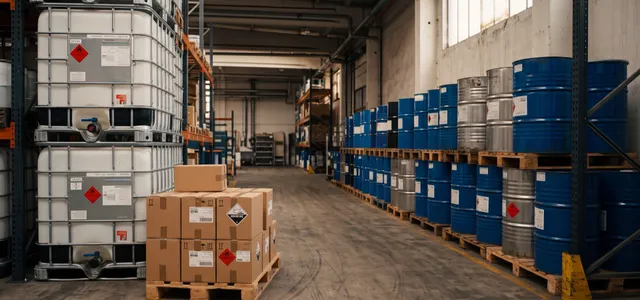
The shelf looks innocent — perfume, hairspray, nail polish, peroxide developer. Transport law reads the same shelf differently — class 3 liquids and class 2 aerosols, each with its own marking, packagings and papers. We translate the beauty catalogue into the language of ADR.
5.2 billion aerosol cans are filled in Europe in a year — and every one of them is class 2, the same class as propane.
This is what you already ship
Typical dangerous goods of the industry — with the real Table A entries. Tap any card to open the full UN page in our reference.
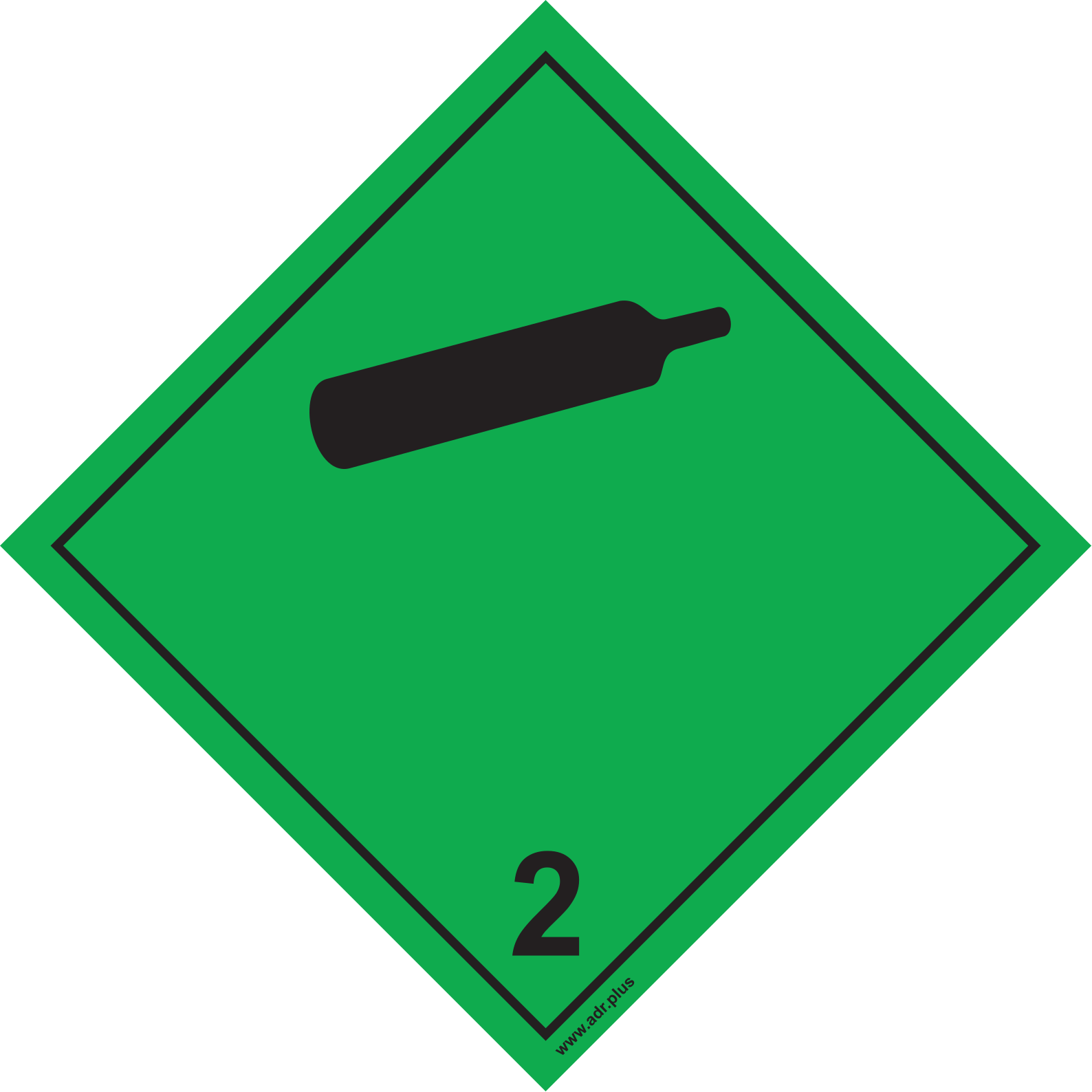
 Class 2
UN 1950, AEROSOLS, flammable
Aerosols — deodorants, hairsprays, foams
LQ 1 L / 120 ml
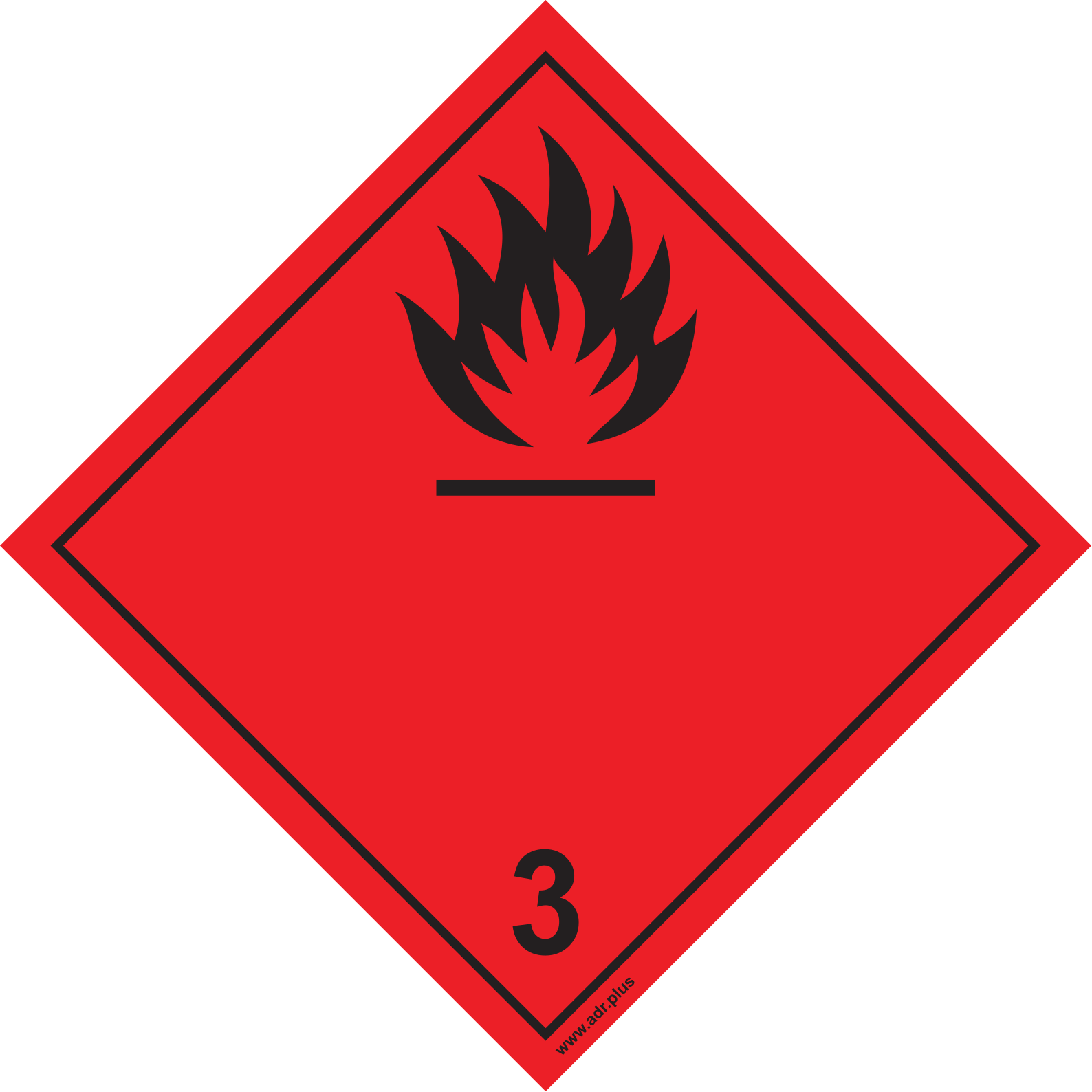 Class 3
UN 1266, PERFUMERY PRODUCTS with flammable solvents
Perfumery products — perfume, toilet water
LQ 5 L
Class 3UN 1263, PAINT
Nail polish — travels as paint
LQ 500 ml / 5 L
Class 3UN 1170, ETHANOL
Ethanol — lotions, tonics, sanitisers
LQ 1 L / 5 L
Class 3UN 1090, ACETONE
Acetone — nail polish removers
LQ 1 L
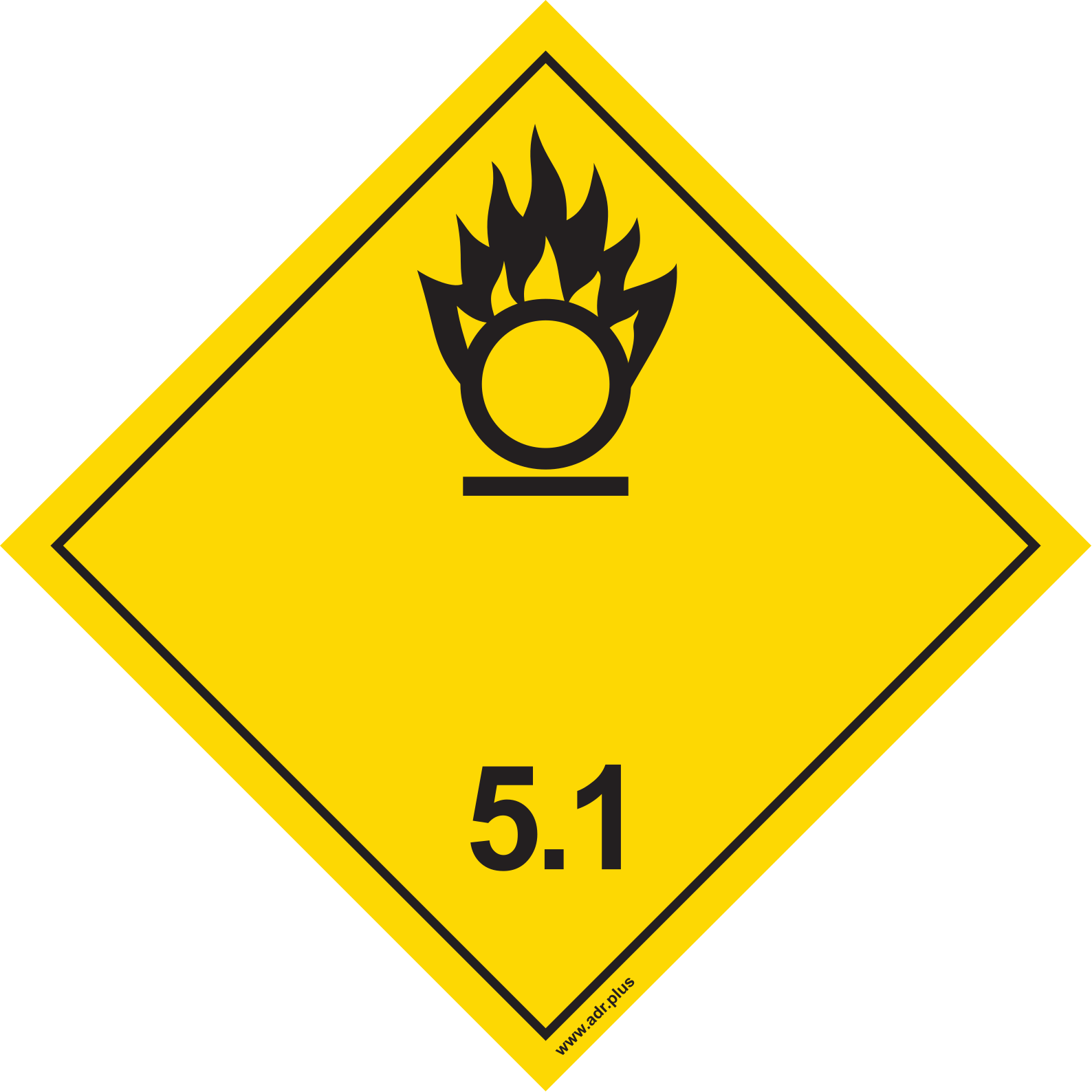
Class 5.1UN 2984, HYDROGEN PEROXIDE, AQUEOUS SOLUTION with not less than 8 % but less than 20 % hydrogen peroxide
Hydrogen peroxide — hair developers, oxidants
LQ 5 L
Three ways your goods can travel
The same product can go as limited quantities, under the 1.1.3.6 partial exemption or in full ADR — the classification and the packaging decide.
Limited quantities (LQ)
Small inner packagings within the column 7a limit, up to 30 kg gross — the goods travel with the LQ diamond, free of most other ADR provisions (Chapter 3.4).
Partial exemption (1.1.3.6)
Below the transport category threshold per transport unit — no orange plates, no written instructions, no ADR driver certificate (the list in 1.1.3.6.2).
Full ADR
Above the thresholds the goods travel under the full set of rules — transport document, plates and labels, equipment, trained crew and every participant duty.
The same perfume travels three ways — flacons in a parcel go as LQ with the diamond, a pallet of cartons may fit under 1.1.3.6, and a drum of fragrance concentrate ships in full ADR with an ADR driver.
Who answers for what
ADR splits the duties among the participants of the carriage. These are the roles your company typically holds — with the exact ADR paragraphs.
Consignor
Hands over only consignments that conform to ADR — classified, authorized, in approved packagings, with the transport documents furnished to the carrier.
Packer
Follows the packing and mixed-packing conditions and, when preparing packages for carriage, the marking and labelling requirements.
Loader
Checks packagings for damage before handing over, observes the mixed-loading prohibitions and the separation from foodstuffs.
Unloader
Compares the transport document with what actually arrived before unloading.
For each of these roles the company needs an appointed safety adviser (1.8.3.1) — ours works on subscription.
About the DGSAWhat a mistake costs
Aerosols ride as LQ until one pallet crosses the line — the sums below are what national law charges then.
Sanctions are national — checks are European
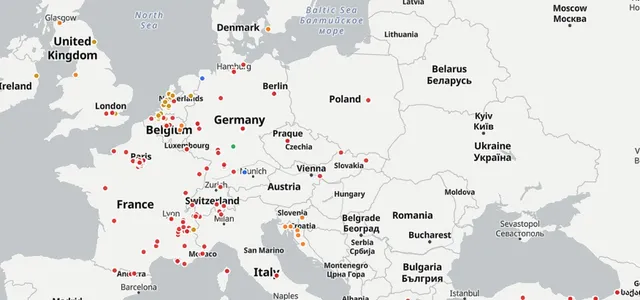
Every ADR country sets its own fines for dangerous goods violations. Roadside checks follow one European standard — Directive (EU) 2022/1999 with a common list of infringements by risk category. Open your country to see the authorities and the exact amounts.
Find your countryAnd beyond the fines
- A vehicle stopped at a roadside check — with your customer waiting for the delivery
- An incident with an untrained crew — and an insurer reading the file closely
- Violations on record — and inspections coming back more often
What the law expects from you
ADR duties come first — and your industry carries its own EU rules on top.
Under ADR
- Classify every product before it is handed over for carriage
- Train everyone who touches dangerous goods (Chapter 1.3)
- Appoint a safety adviser — carriers, consignors, loaders, packers alike
- Mark, document and equip every consignment correctly
EU rules of the industry
Cosmetics — Regulation (EC) 1223/2009
Safety for the consumer on the shelf. Cosmetic product and dangerous good are parallel statuses — the second one switches on at the loading ramp, not in the lab.
Aerosol Dispensers — Directive 75/324/EEC
Construction and filling of every can. The dispenser directive governs the product itself — and ADR takes over the moment the pallet rolls out to the road.
CLP — Regulation (EC) 1272/2008
Classification and labelling for the market. A flame pictogram on the flacon is a strong hint that the same flacon is a class 3 cargo — two systems that must be read together.
The industry in numbers
Is this about you?
If even one line matches your operation — it is worth a conversation.
- You send perfume and aerosols by courier as ordinary parcels
- Online orders with nail polish leave without the LQ diamond
- Nobody counts the total weight of LQ cartons in the vehicle
- Your packers have never had dangerous goods training
- Nobody in the company is formally appointed as the safety adviser
Our solutions
Beauty on the shelf, class 2.1 in the box — our system keeps the whole range within LQ.
Cargo instruction with the transport document entry
Classification, the carriage regime and the ready transport document entry — for a specific cargo.
from €50 / document
A consultant on subscription
A certified safety adviser, the appointment notice and the platform — from €50 a month plus €10 per consignment.
ADRplus One
Train the team
Chapter 1.3 courses online, in your languages — at your own pace, with certificates.
Course is being updated
ADR compliance audit
A remote compliance audit with a report — where you stand and what to fix first.
€290
Questions from the industry
Have a different question?
Contact the consultantOur cosmetics are certified under 1223/2009 — does that cover transport?
No. The cosmetics regulation answers for the consumer, ADR answers for the road — parallel statuses of the same flacon. Certification in one does not close the duties of the other.
We ship small flacons — is LQ automatic?
LQ is a regime, not a default — limits for inner and outer packagings, the diamond mark, gross weight caps, trained packers. Applied correctly it saves money every day. Applied by habit it falls apart at the first check.
Deodorant is just cosmetics — why class 2?
The propellant decides — gas under pressure rules the can regardless of the cream inside. That is why an aerosol shares a class with propane and needs its own marking and load securing.
Where do we start?
Send the assortment — we prepare the cargo instruction with the transport document entry from €50 per document and show what goes as LQ and what needs the full regime. From there the subscription from €50 plus €10 per transport covers the adviser, the platform and the training of your people.
Tell us how your goods move
Within one working day you get a clear answer — what applies to you, what does not, and what it costs to be in order.