

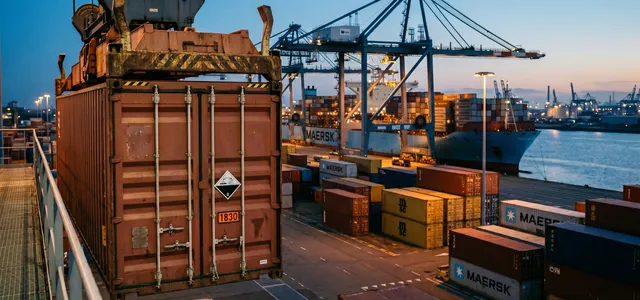
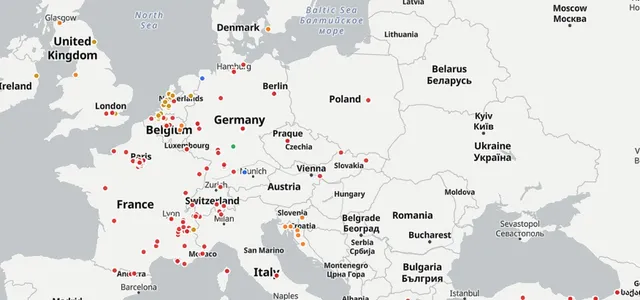
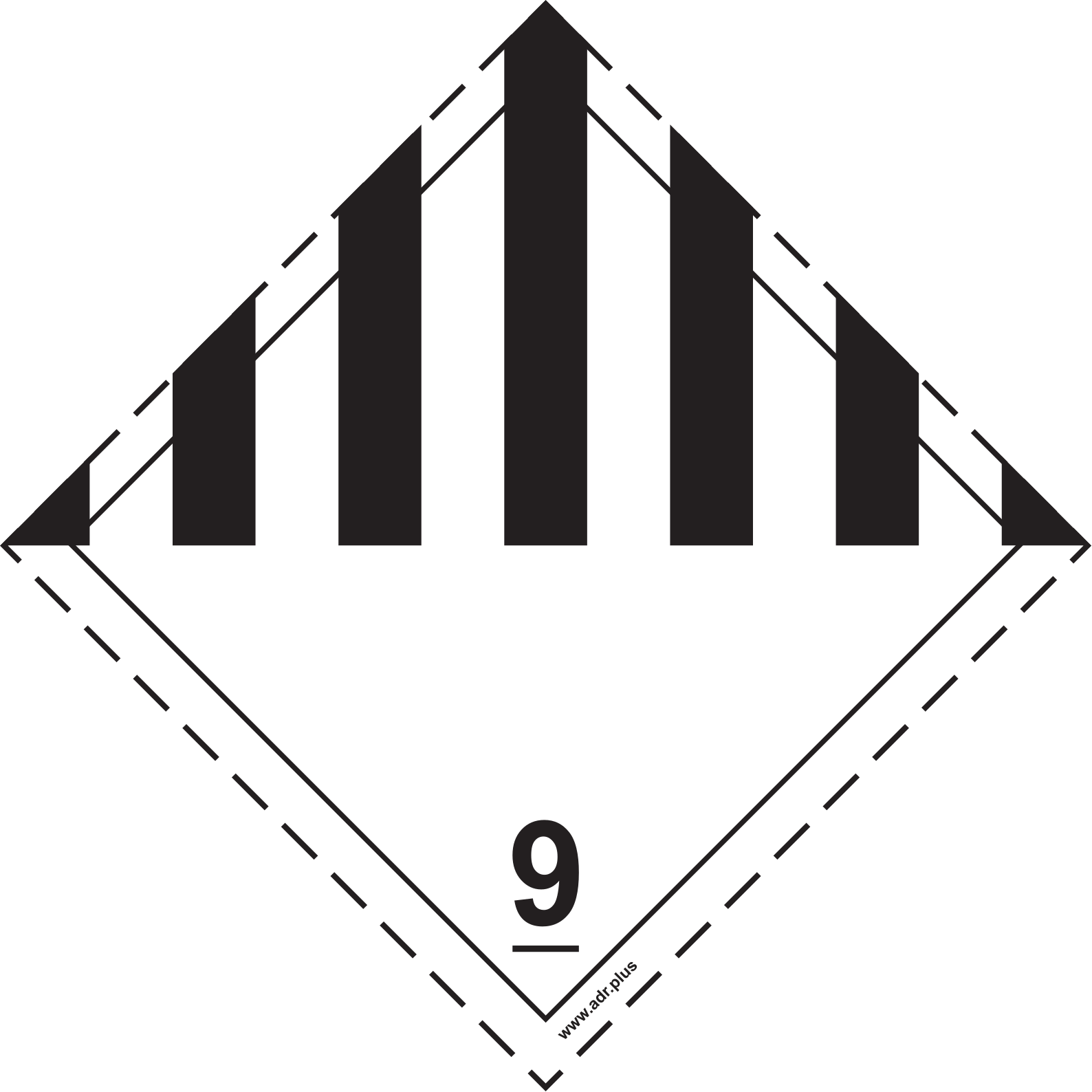

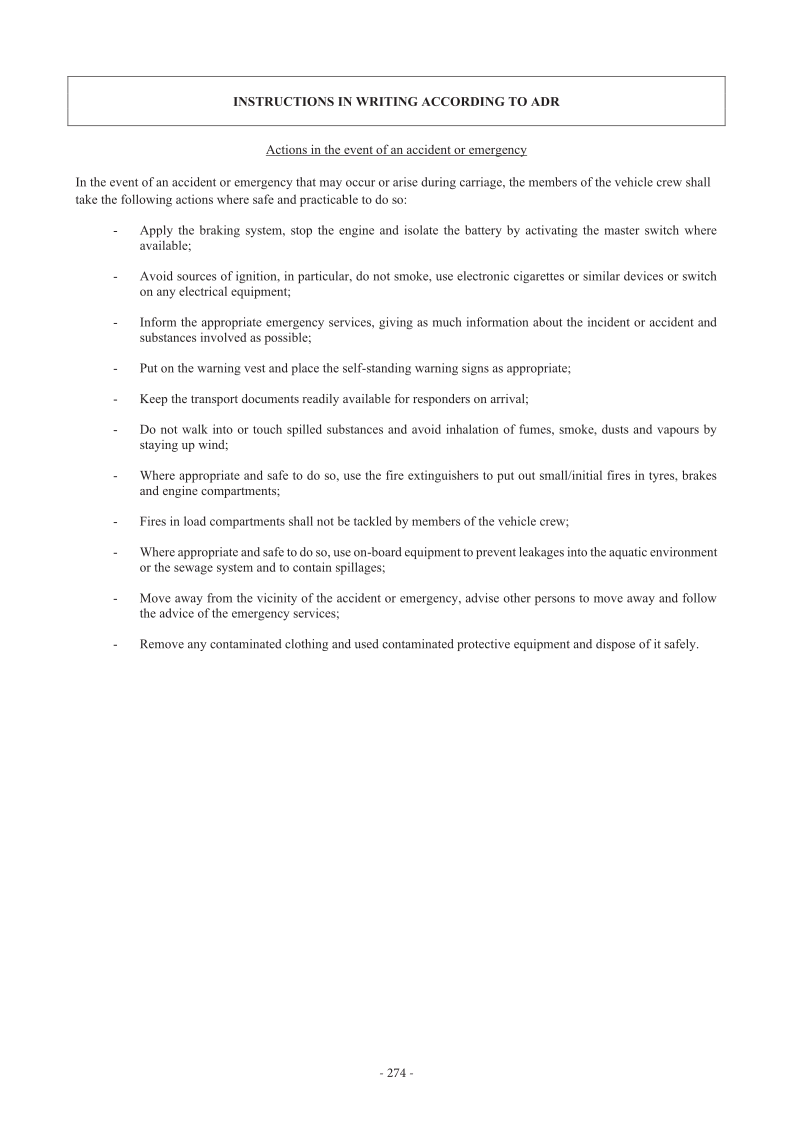
Dangerous goods rarely travel by road alone. Each mode of transport has its own rulebook, and a consignment crossing modes has to satisfy every regime on its route:
- Road — ADR. The agreement this knowledge base is about; applied across Europe and beyond.
- Sea — the IMDG Code. The International Maritime Dangerous Goods Code, mandatory for sea legs including short ferry crossings.
- Rail — RID. The regulations for international carriage of dangerous goods by rail; deliberately kept close to ADR in structure.
- Inland waterways — ADN. The agreement covering rivers and canals, from packaged goods to tanker barges.
- Air — the ICAO Technical Instructions. Applied in airline practice through the IATA Dangerous Goods Regulations, the strictest regime of the five.
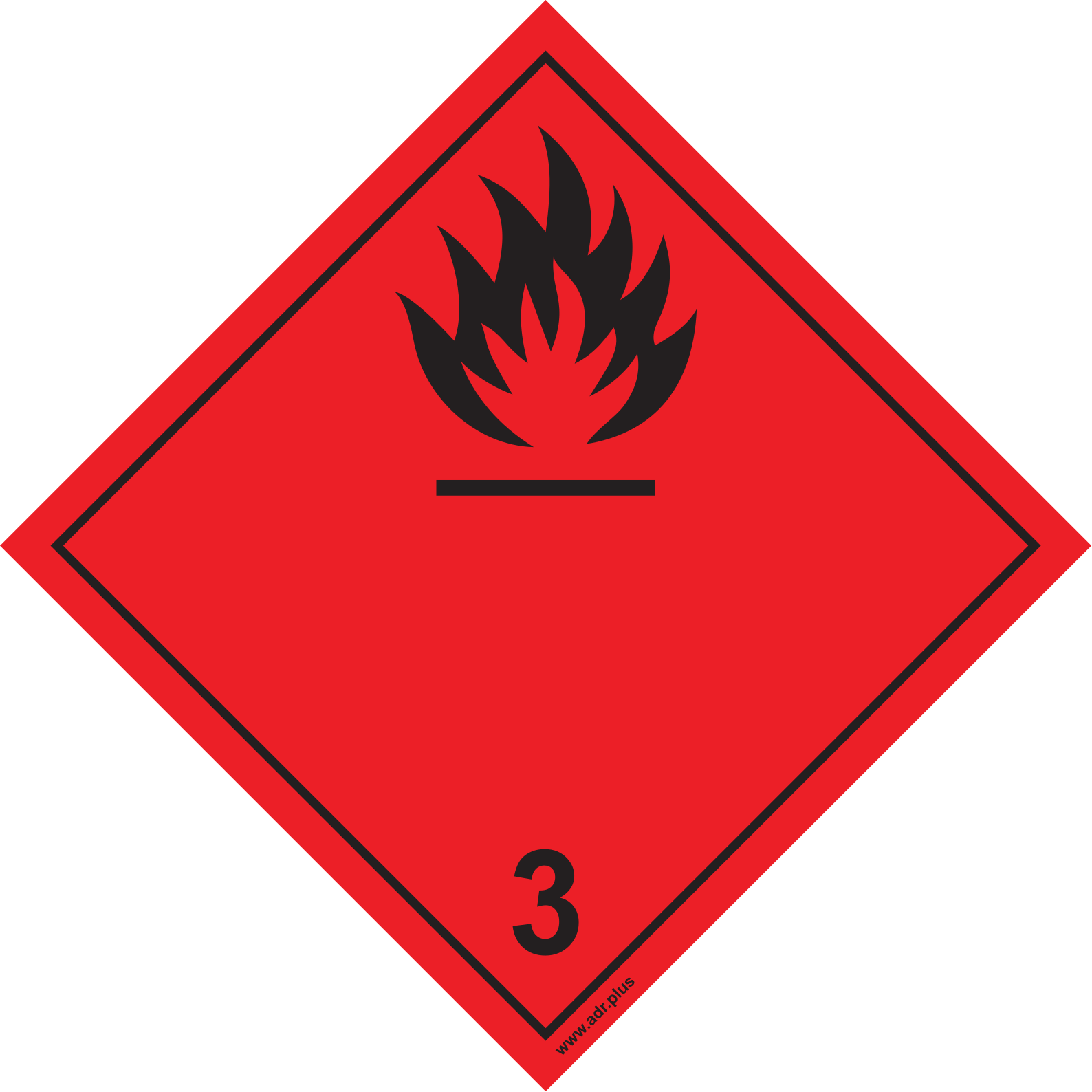
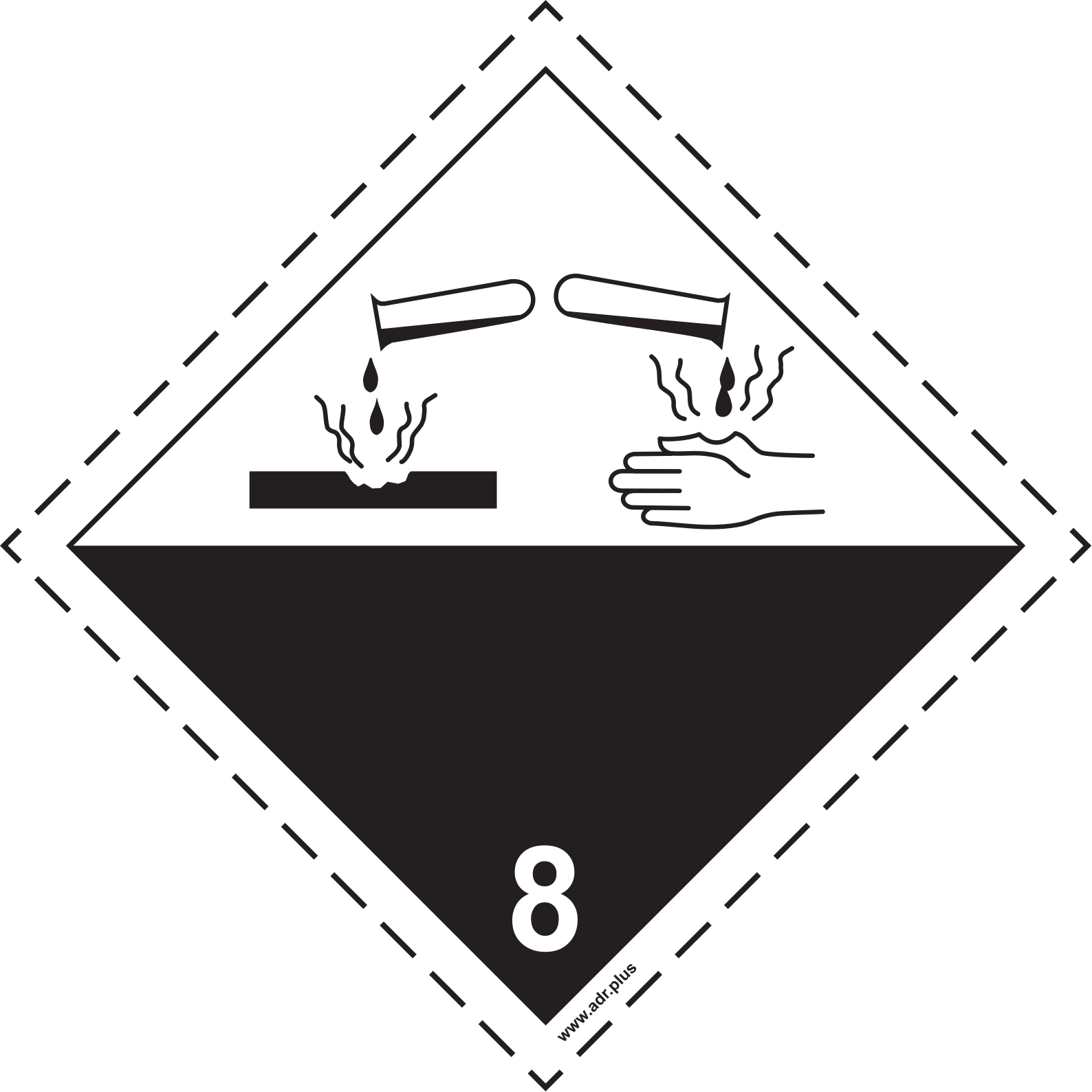
The classification backbone — UN numbers, classes, packing groups — is shared by all five, so a properly classified cargo keeps its identity across the whole chain. The differences live in the details: quantity limits, packaging, marking and documents.
For a transport chain that includes a sea or air leg, ADR meets the other regimes halfway (1.1.4.2). Packages marked and labelled under the IMDG Code or the ICAO Technical Instructions are accepted on the road leg even where the ADR marking rules differ, and containers placarded under the IMDG Code may proceed by road — the vehicle itself still carries its orange plates. One reservation: a cargo that ADR classifies as dangerous but the maritime or air rules do not remains subject to ADR in full.
The paperwork of a chain is usually built around one multimodal dangerous goods form accepted by all carriers instead of a separate document per mode — we prepare DGD declarations as a service, and for the road leg the requirements are described in the transport document article.
References — ADR 2025 1.1.4.2 (carriage in a transport chain including maritime or air carriage), 1.2.1 (definitions of the IMDG Code and the ICAO Technical Instructions), 5.4.1 (transport document).