



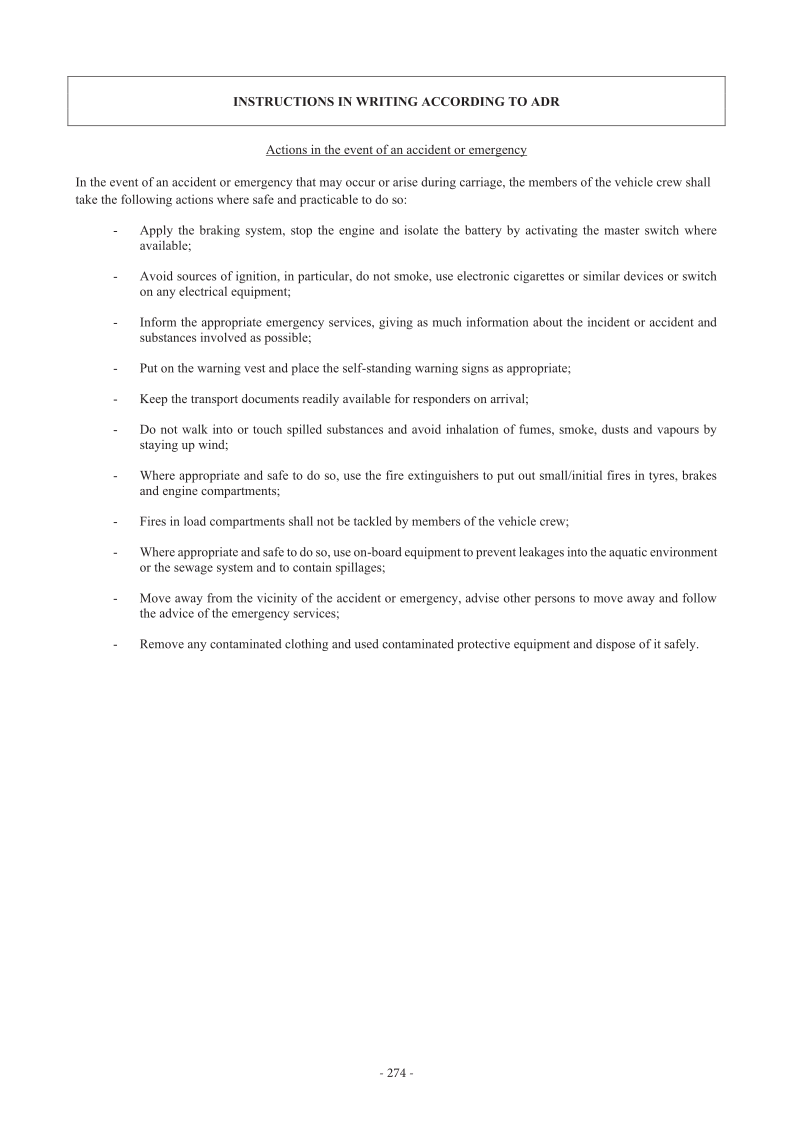
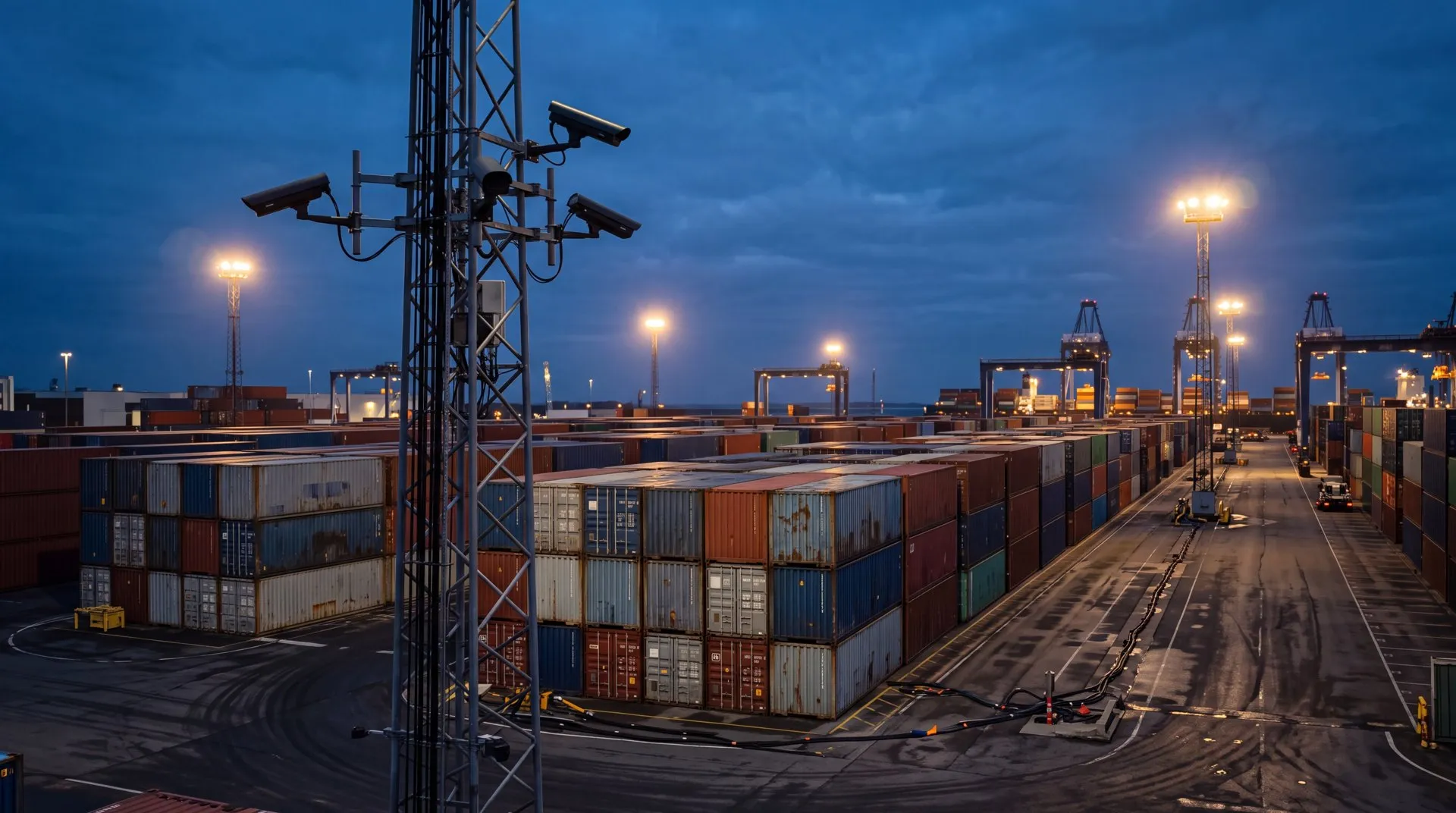

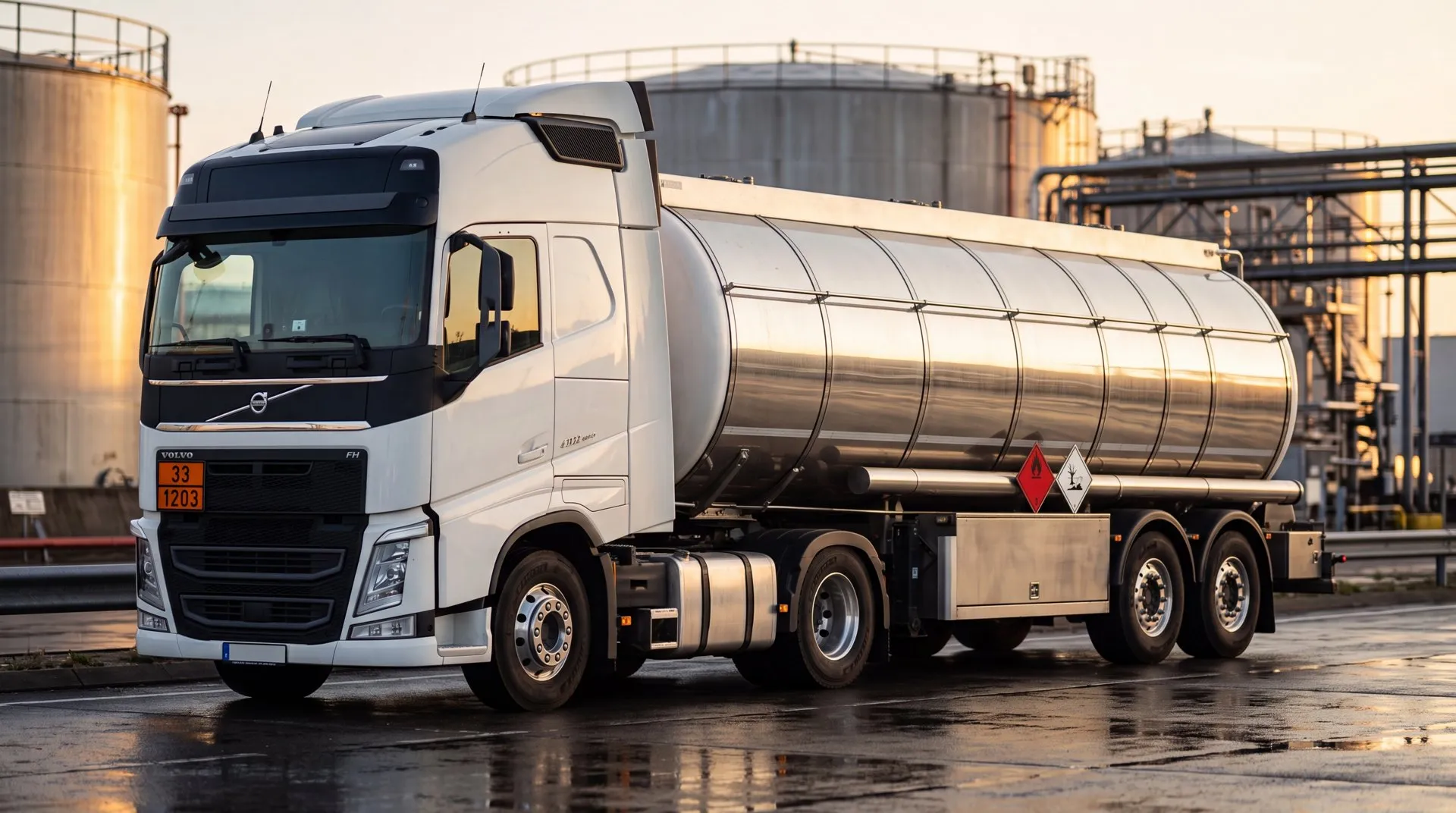
Dangerous goods in tanks — what changes for the company
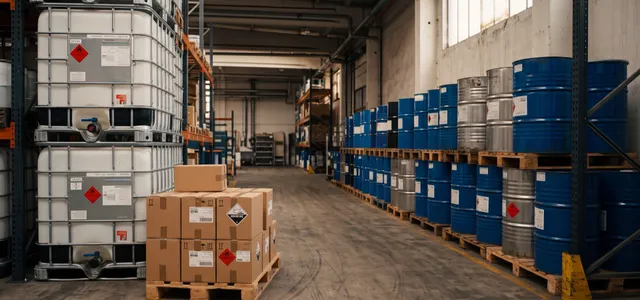
How carriage in tanks differs from packages — vehicle approval, annual inspection, orange plates with numbers, the filler and the threshold for a security plan.
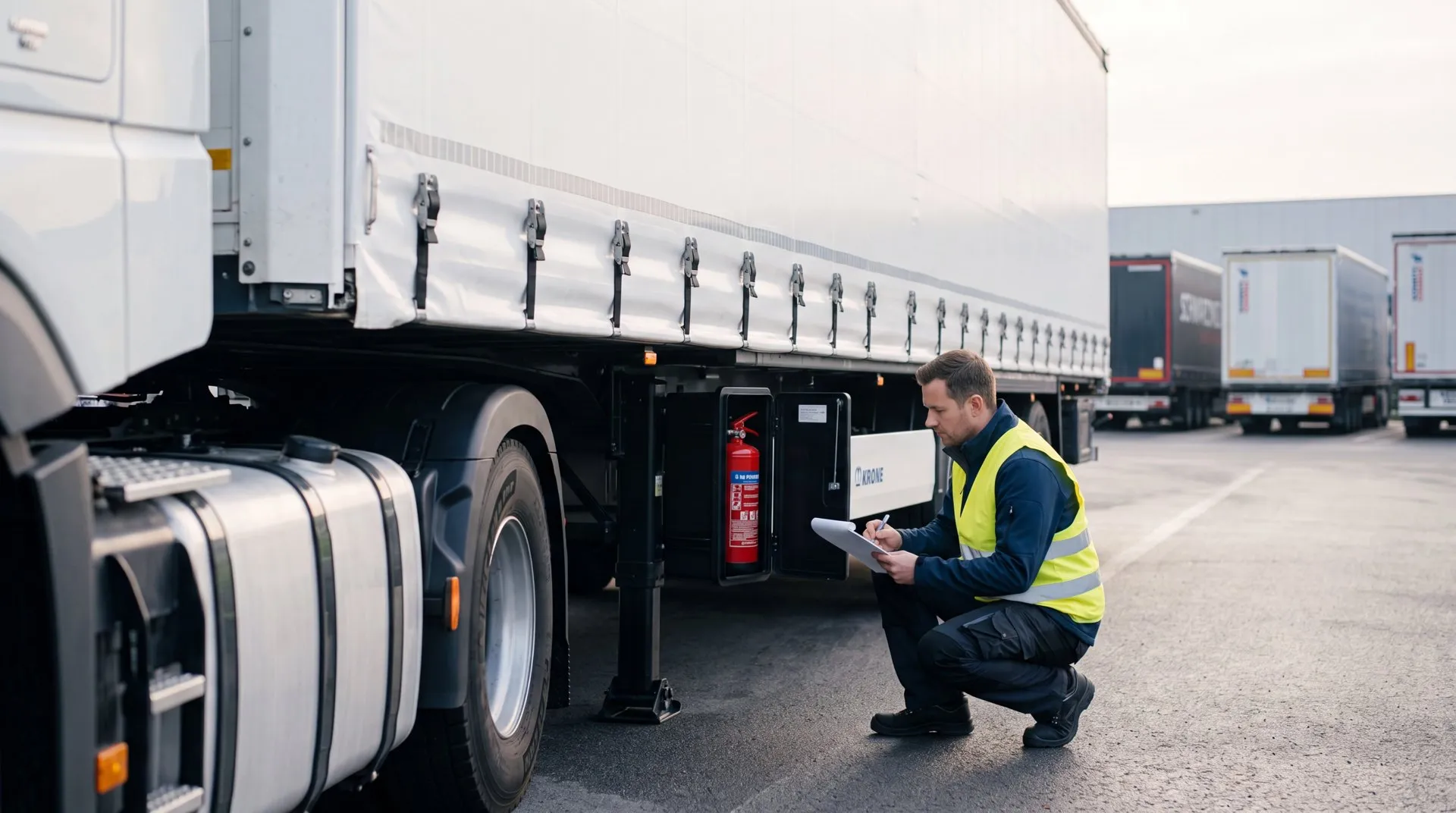
Carrying packaged dangerous goods — vehicle and documents
What must be in the cab, which equipment and fire extinguishers ADR requires, how a vehicle with packages is marked and whether it needs a special approval.
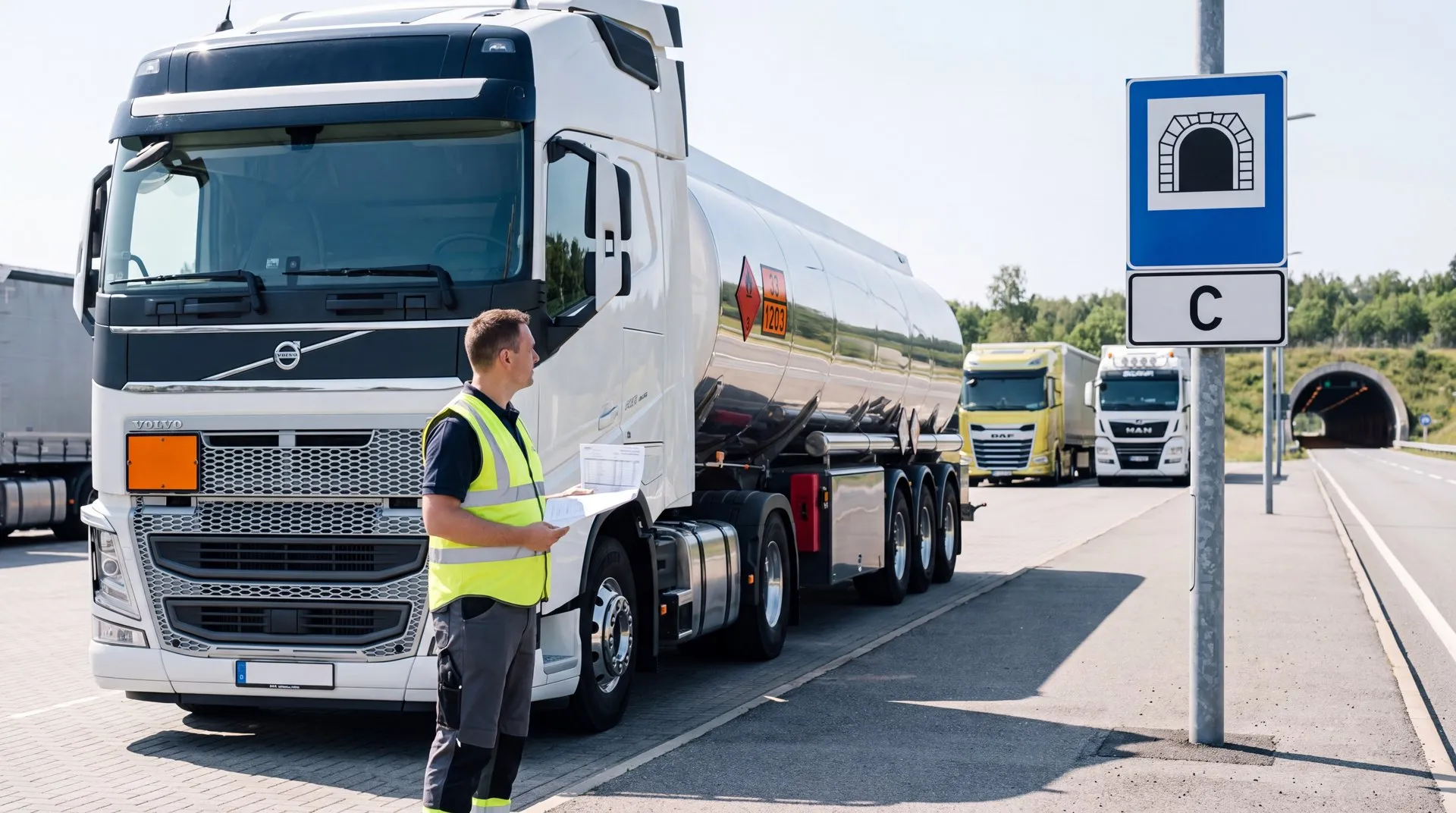
ADR fines and inspections — who checks and what it costs
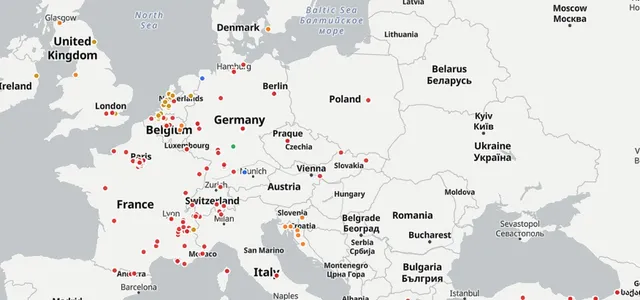
How roadside checks on dangerous goods work across the EU, what companies are fined for and what an infringement costs in Latvia, Lithuania and Estonia.
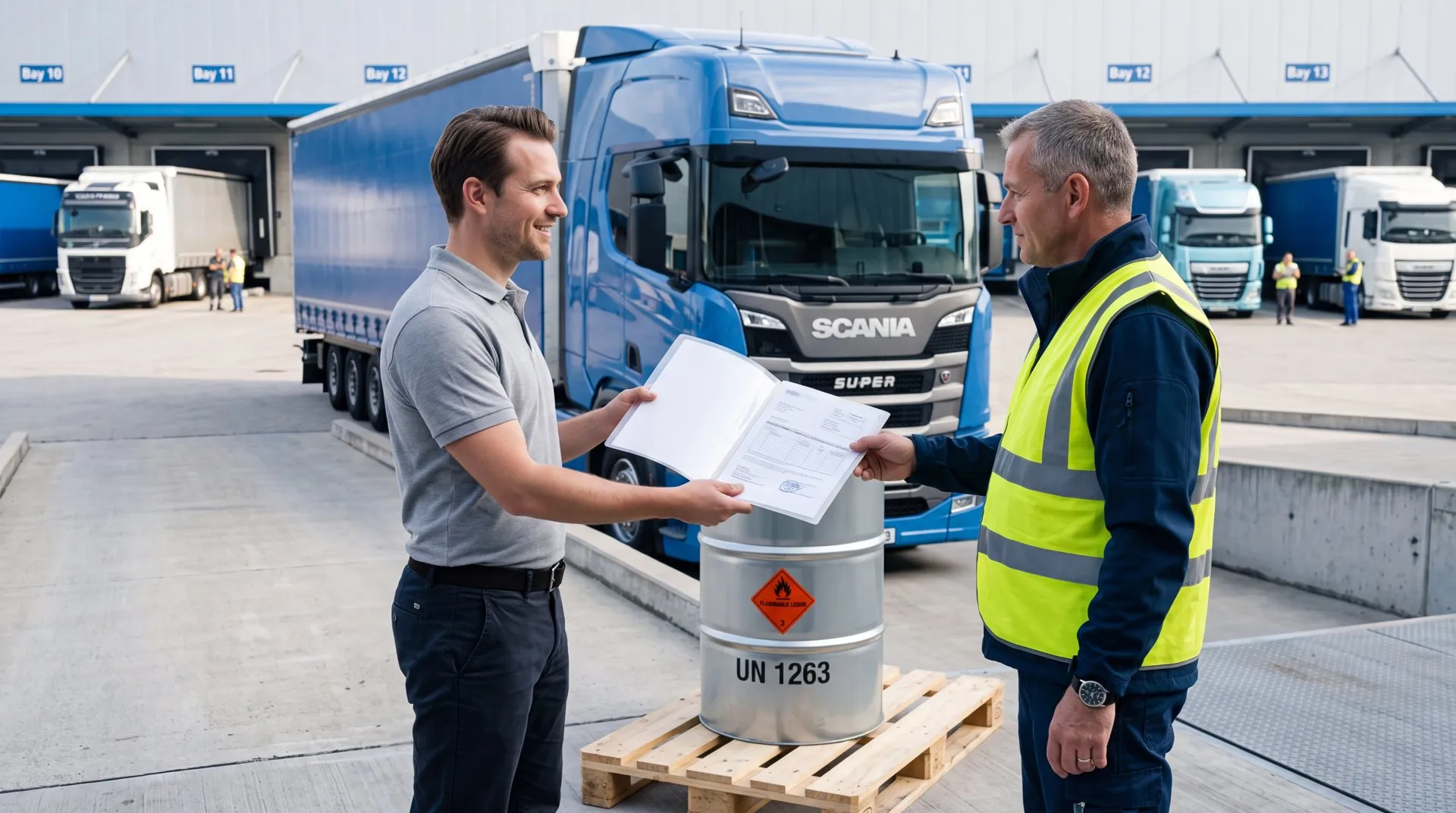
ADR participants and their obligations — who does what
The obligations of every participant in the carriage of dangerous goods under ADR chapter 1.4, from classification to unloading, and why a loader is a participant too.
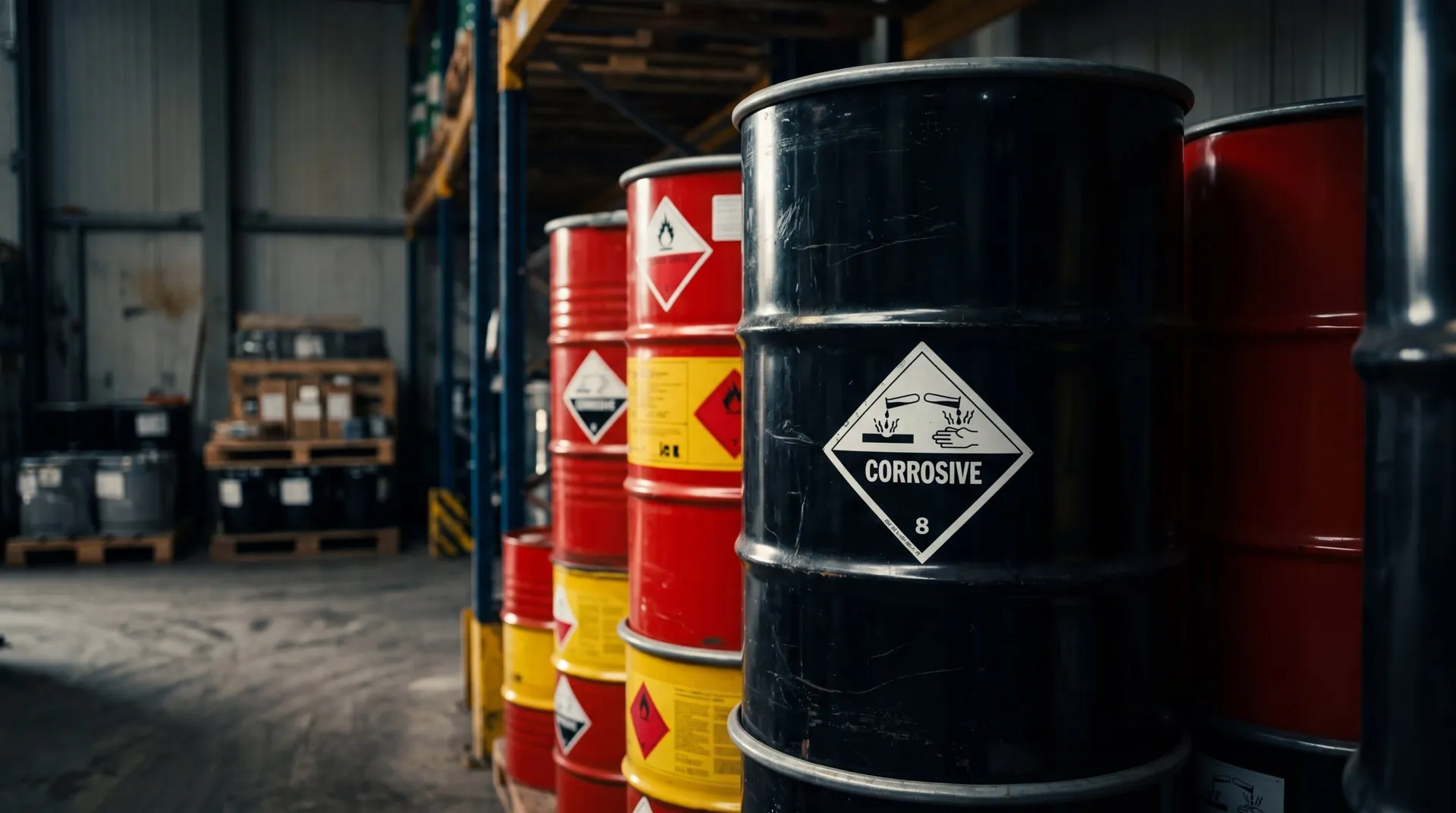
The nine ADR hazard classes in plain language
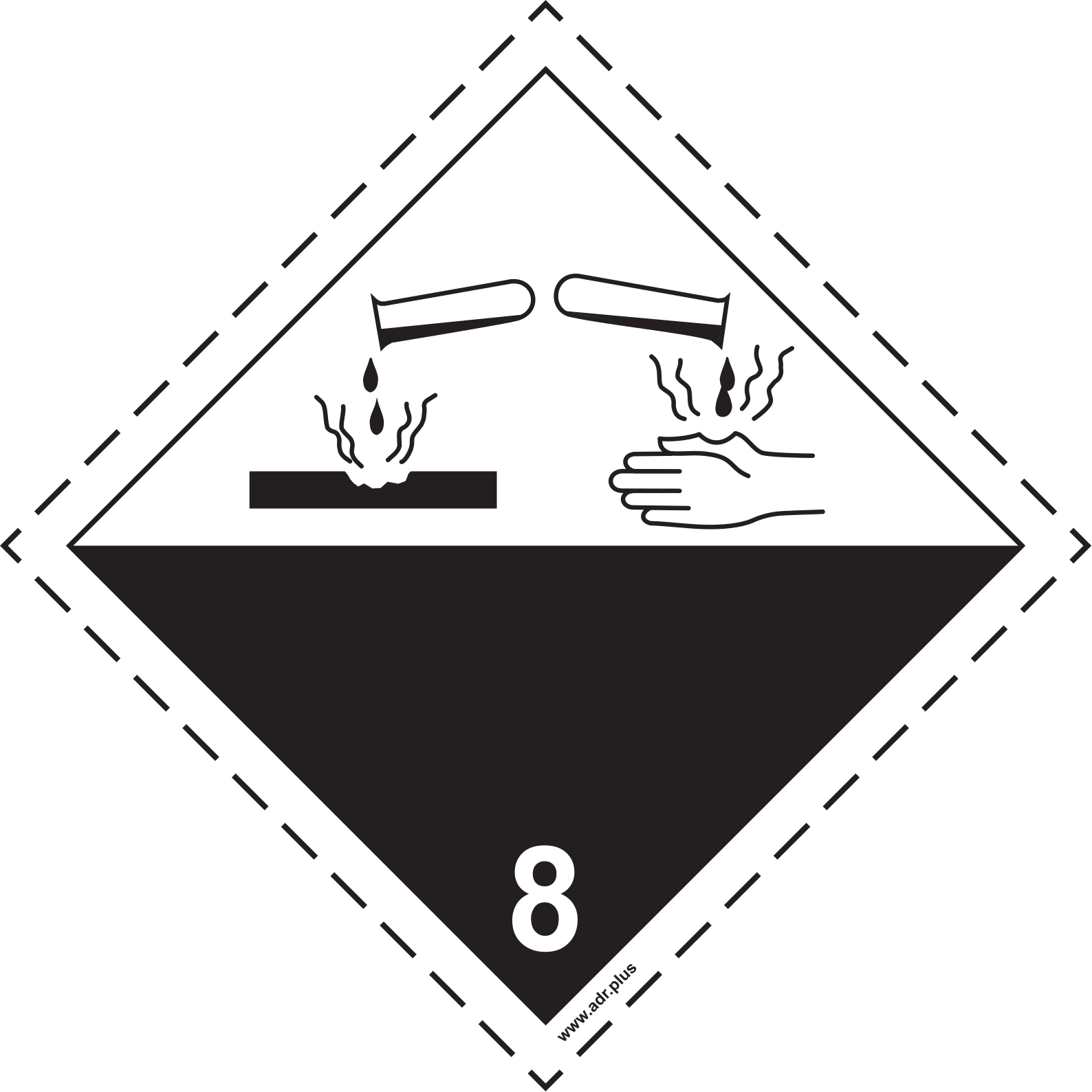
What each dangerous goods class under ADR means, which substances sit behind it, what the label looks like and where to find the class of your own goods.
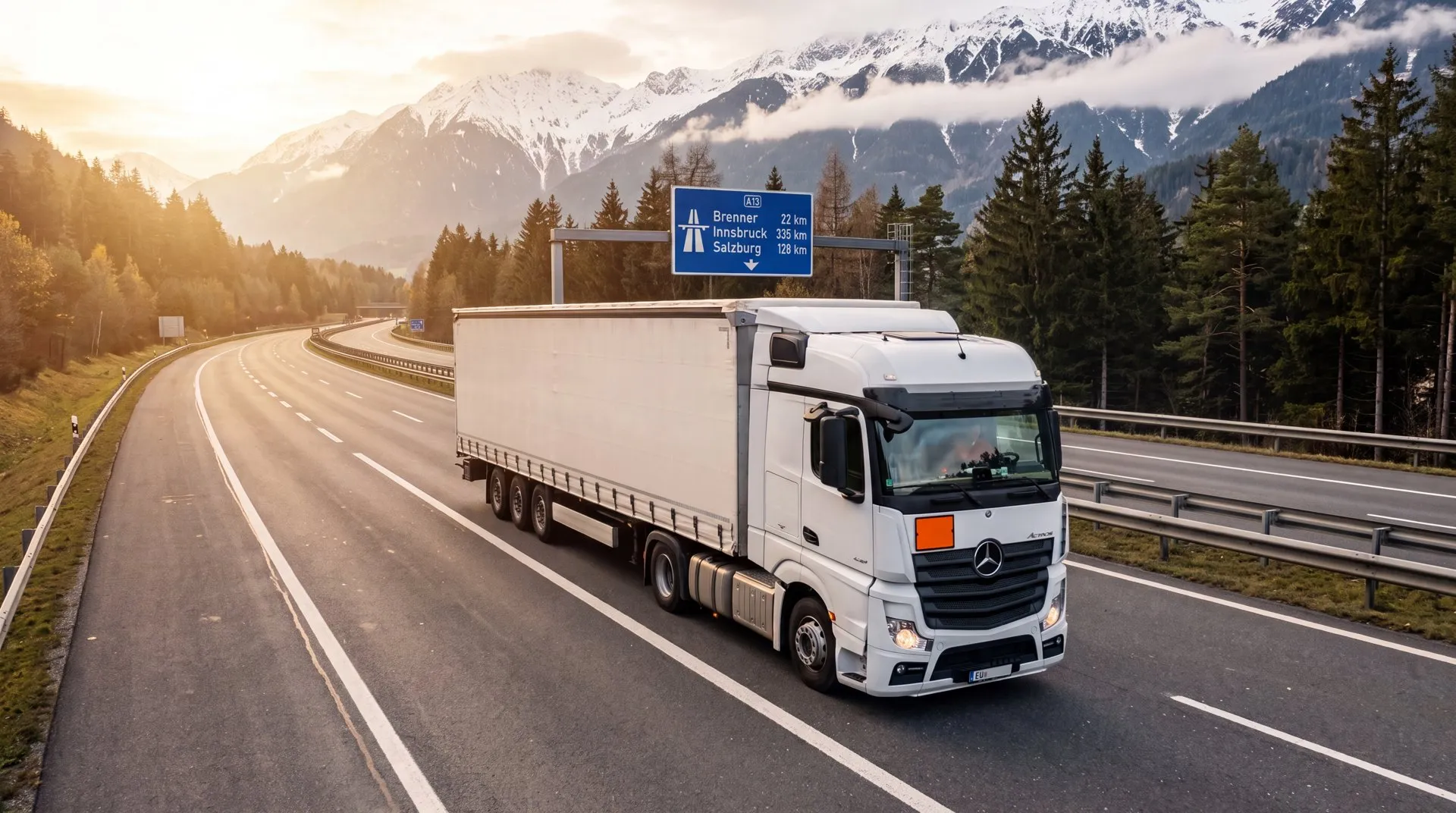
What is ADR and why it applies to your company
The agreement on the carriage of dangerous goods by road — where it comes from, how it is built, whom it binds and whether it applies to your business.
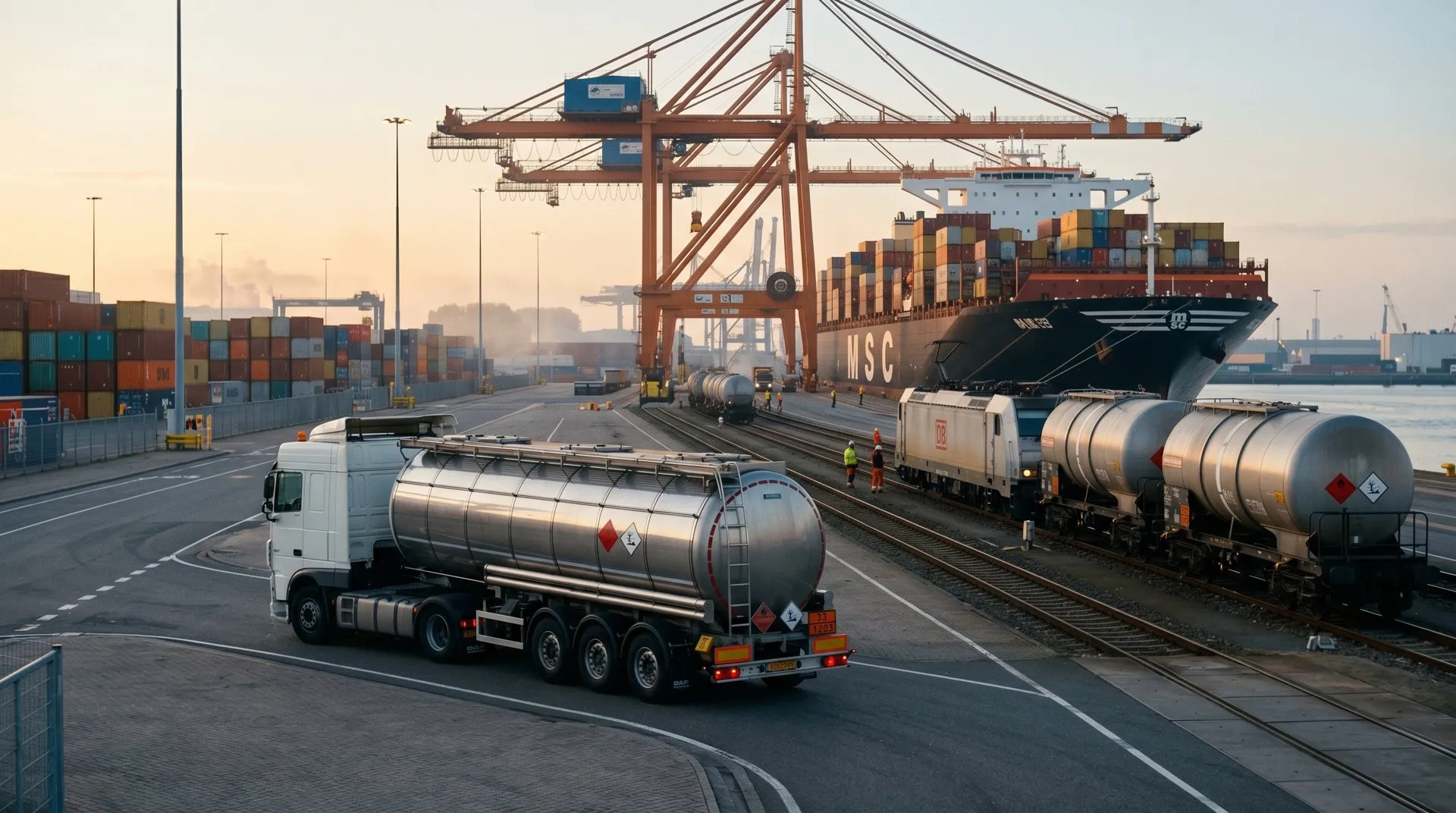
Dangerous goods by road, sea, air and rail — which rules
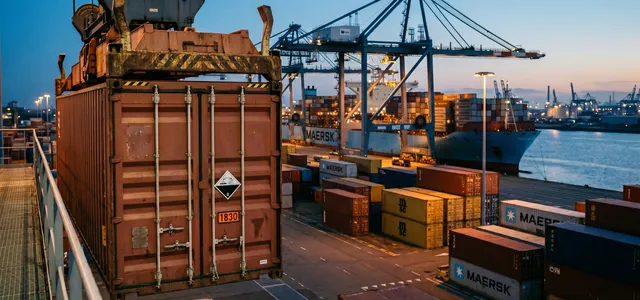
The rulebook for each mode of transport, what they share, where they differ, and what to check when a consignment changes mode along the way.
Watch and read us
ADRplus Media also runs on our channels. Subscribe where it suits you.