


Understand ADR, end to end
Plain-language guides to the hazard classes, documents, roles and rules that govern dangerous goods on the road.
Start with the essentials
Dangerous goods classification — the ADR procedure
Before a substance or article can move as dangerous goods, somebody has to classify it — assign it a hazard class, a packing group where applicable, and a UN…
ReadDGSA — obligations
Every enterprise that consigns, carries, packs, loads, fills or unloads dangerous goods on the road must appoint one or more Dangerous Goods Safety Advisers…
ReadTransport document
Every consignment of dangerous goods has to travel with a transport document. It's what the driver shows at a roadside check and what emergency services read…
ReadTunnel categories A to E
ADR defines five tunnel categories with progressively tighter restrictions on dangerous goods transport.
ReadKnowledge by topic
Every guide in the knowledge base, grouped the way ADR work actually happens.
Participants and their obligations
Classification
Documents
Marking and labels
Packaging
Exemptions and reliefs
Vehicles and equipment
Training and certification
The 13 hazard classes
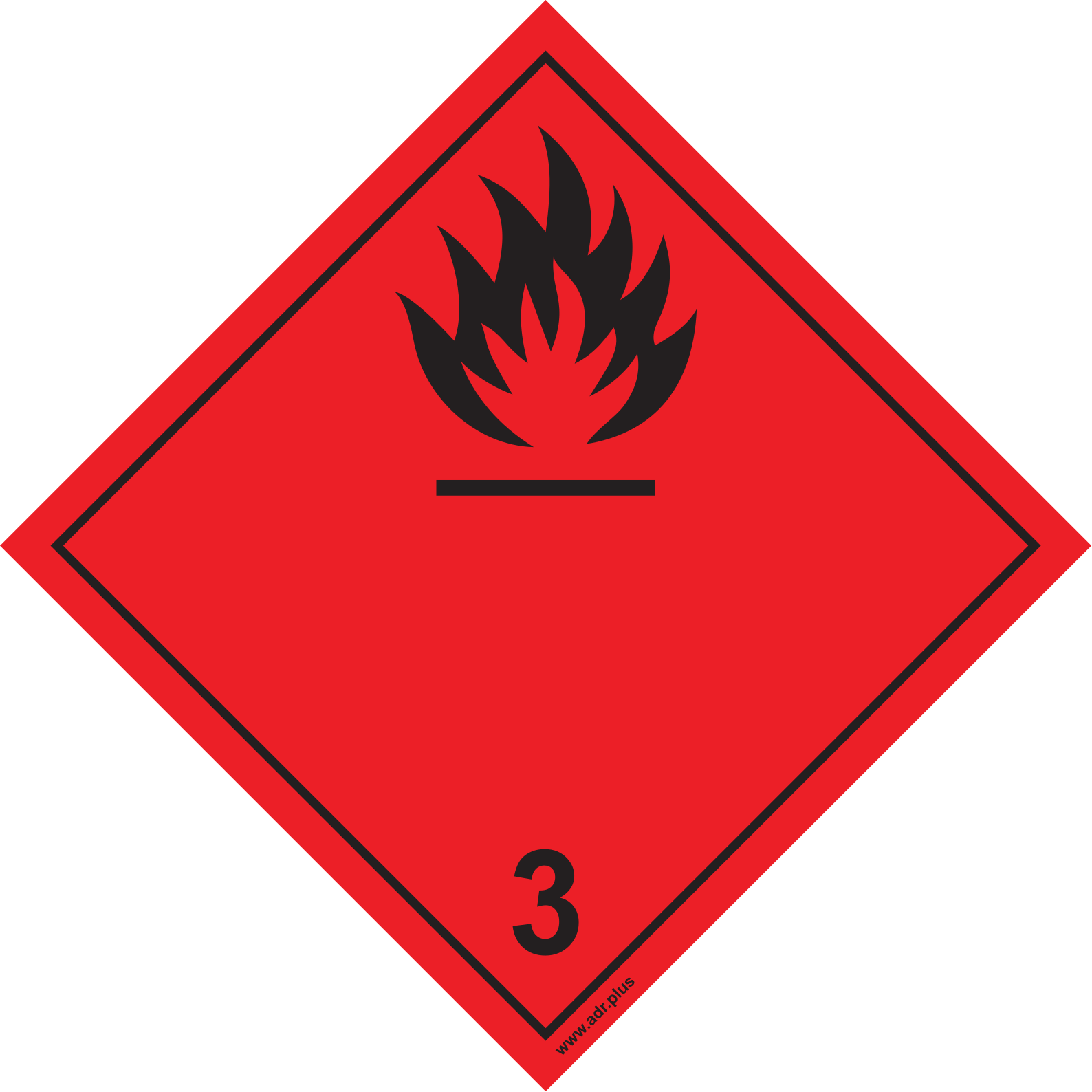
Every dangerous good belongs to one of 13 ADR classes. Start with the diamond.
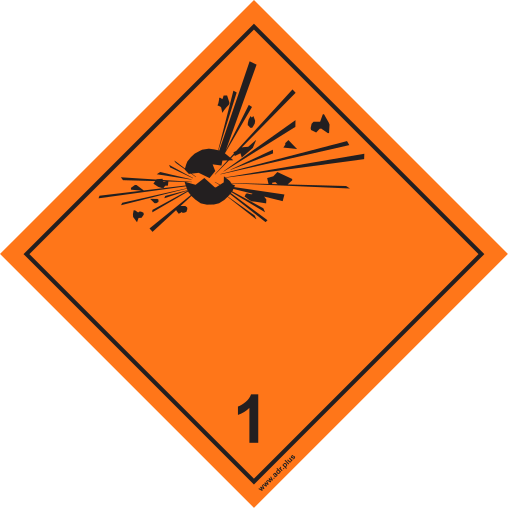
Class 1
Explosives
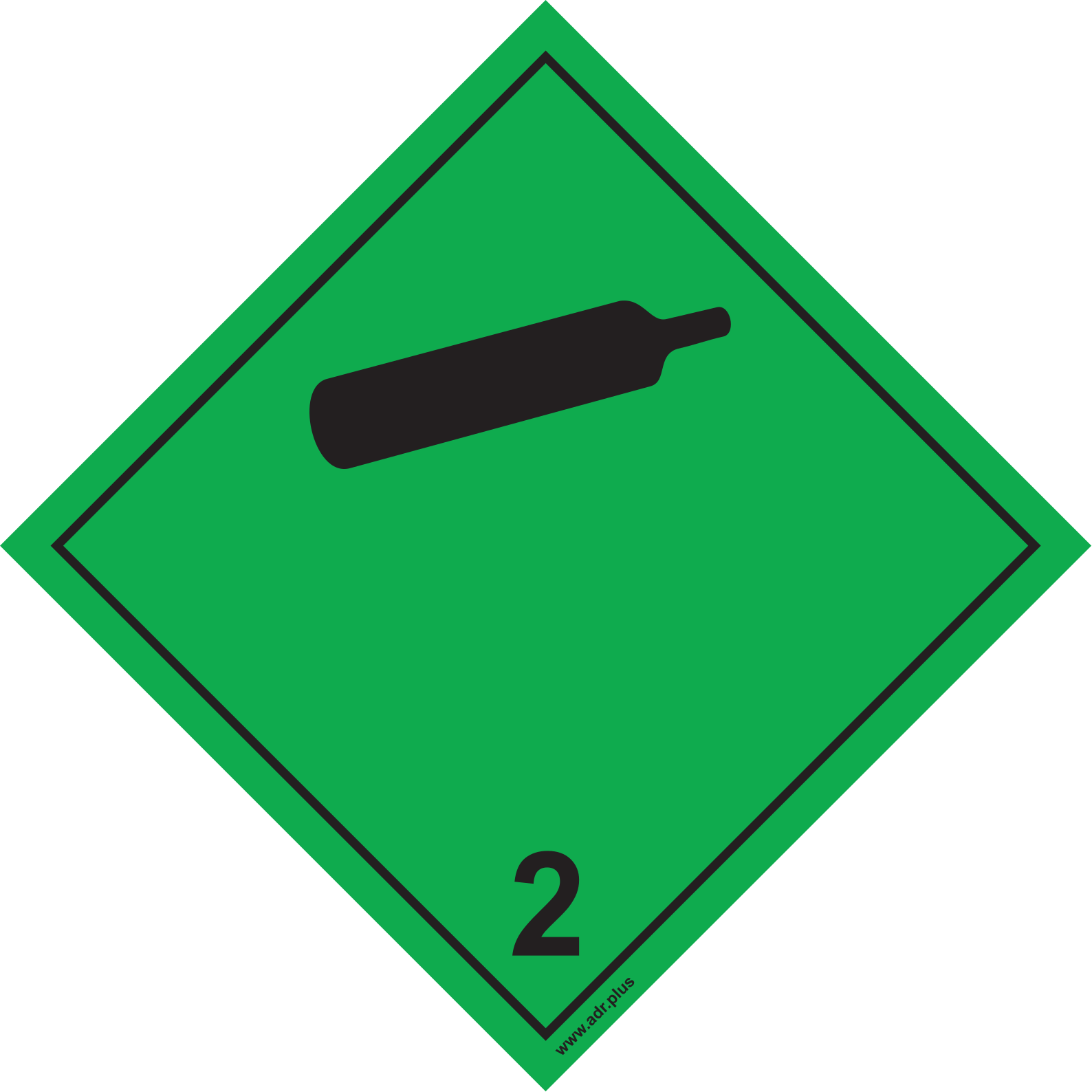
Class 2
Gases
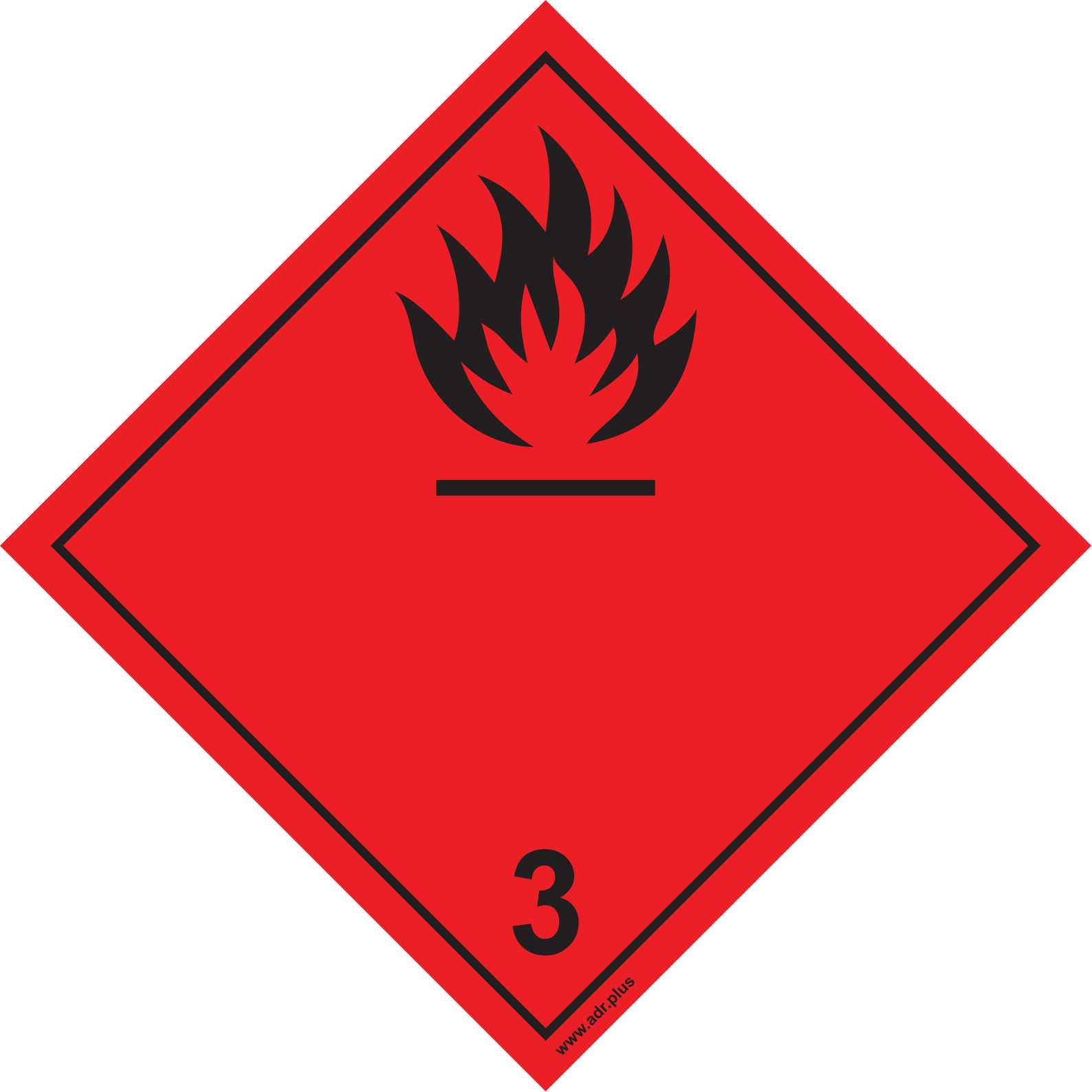
Class 3
Flammable liquids

Class 4.1
Flammable solids
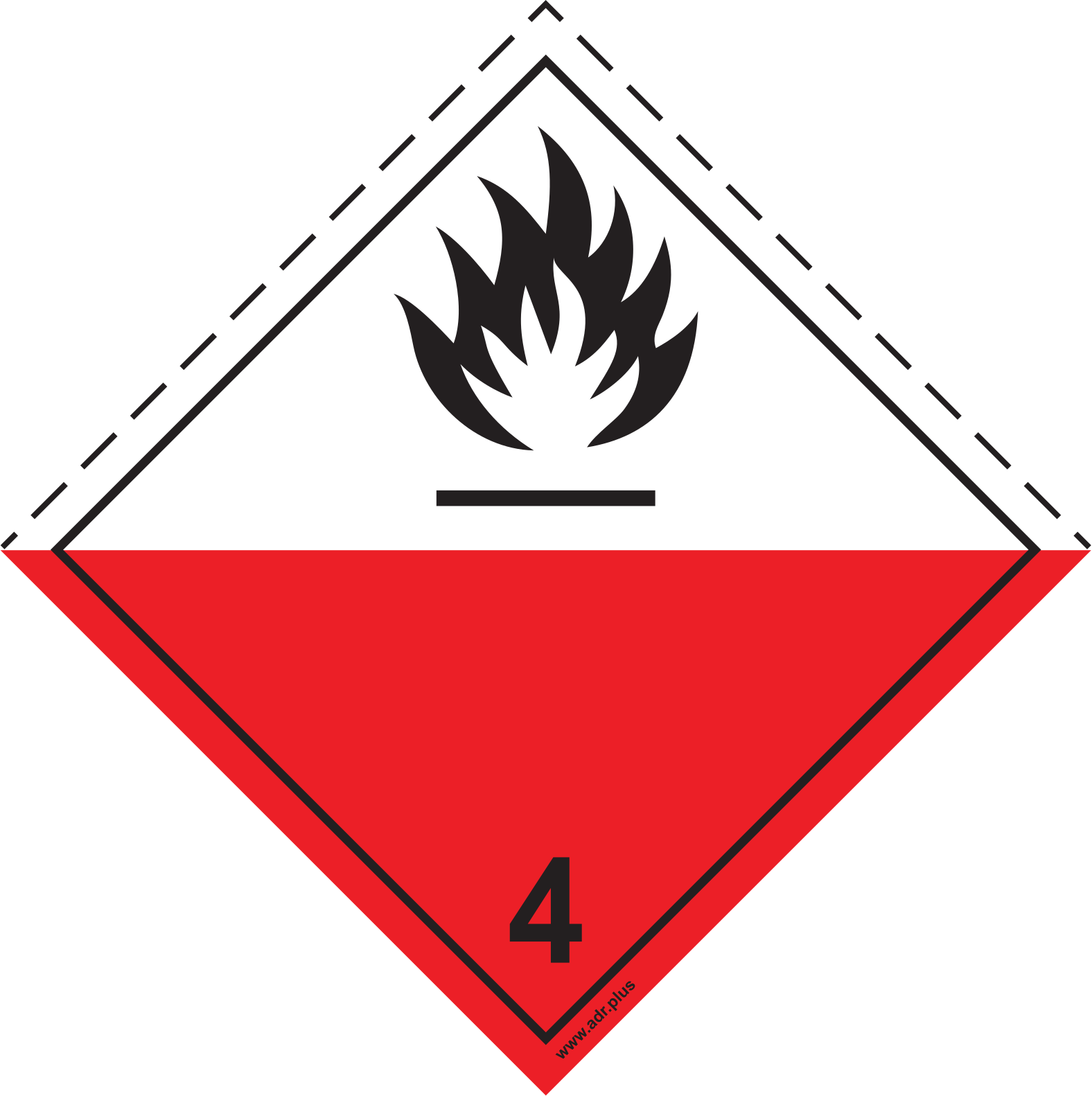
Class 4.2
Spontaneously combustible
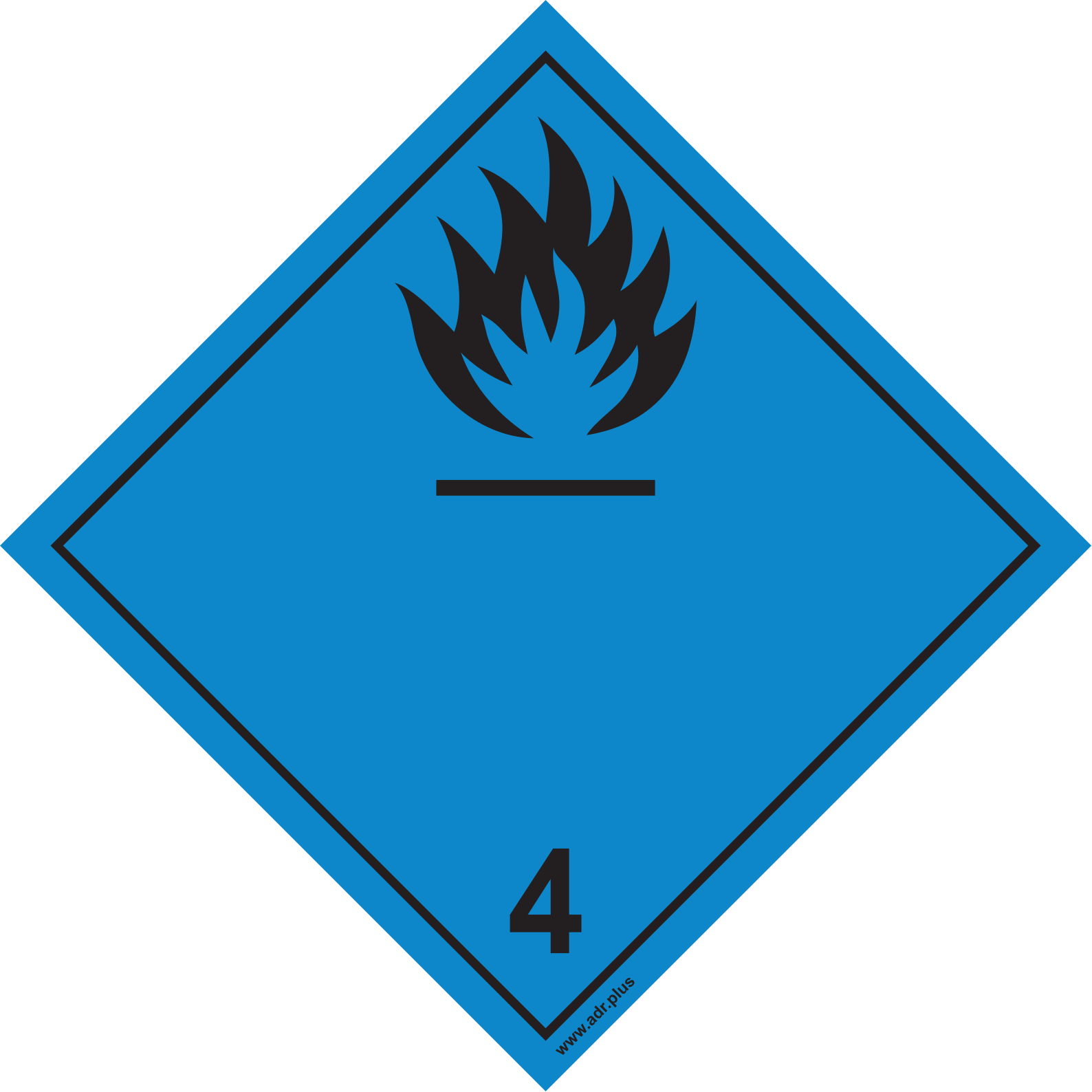
Class 4.3
Dangerous when wet
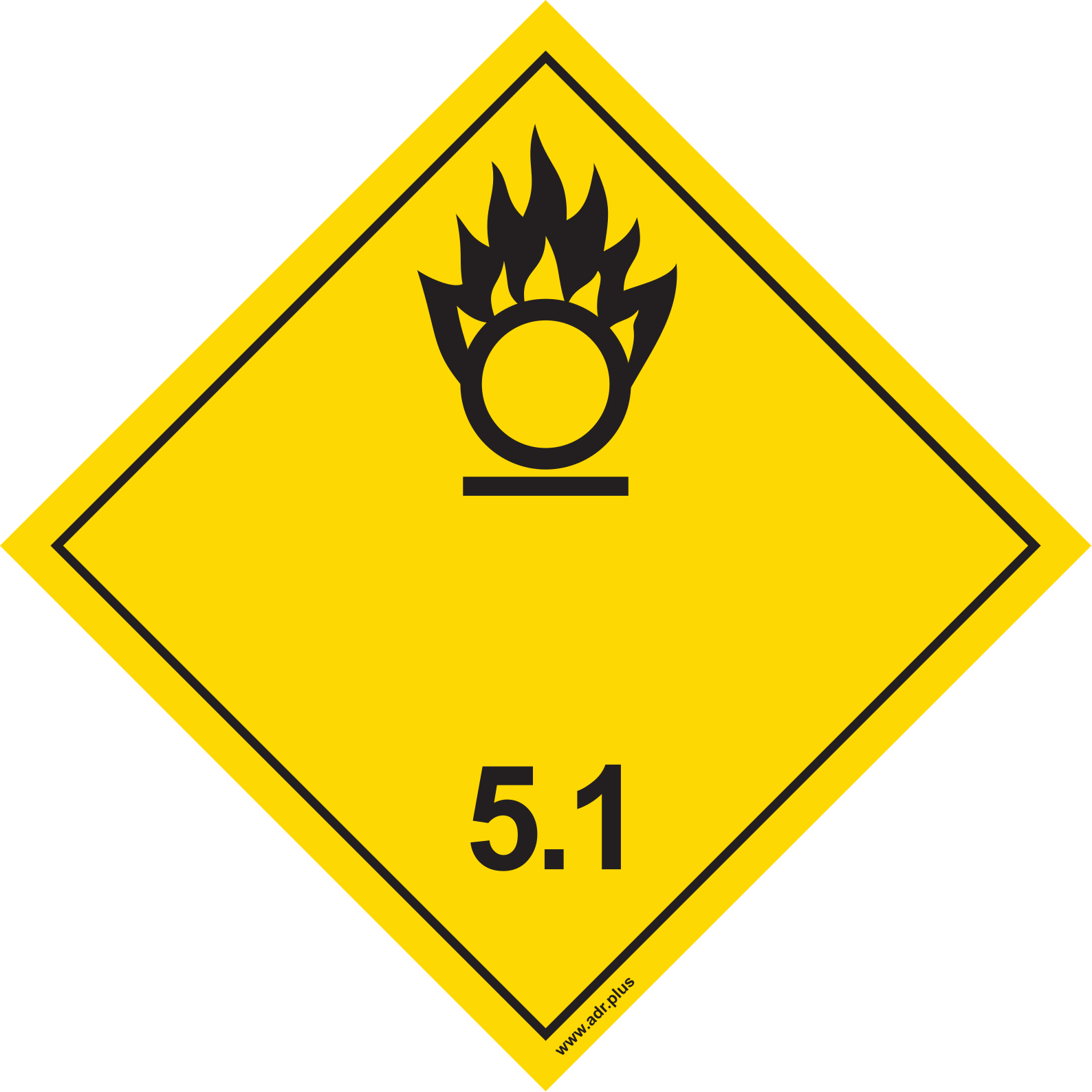
Class 5.1
Oxidising substances
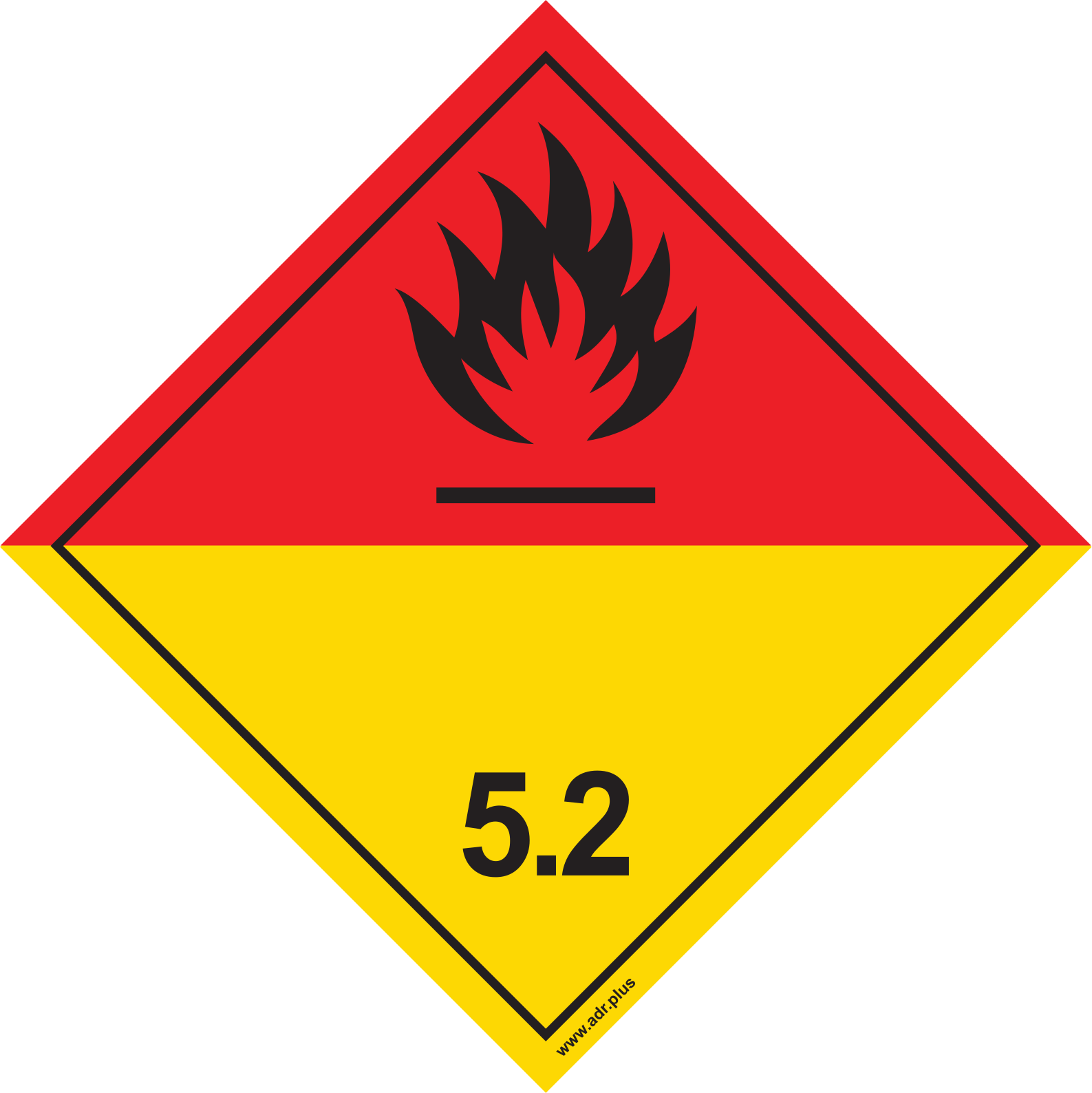
Class 5.2
Organic peroxides
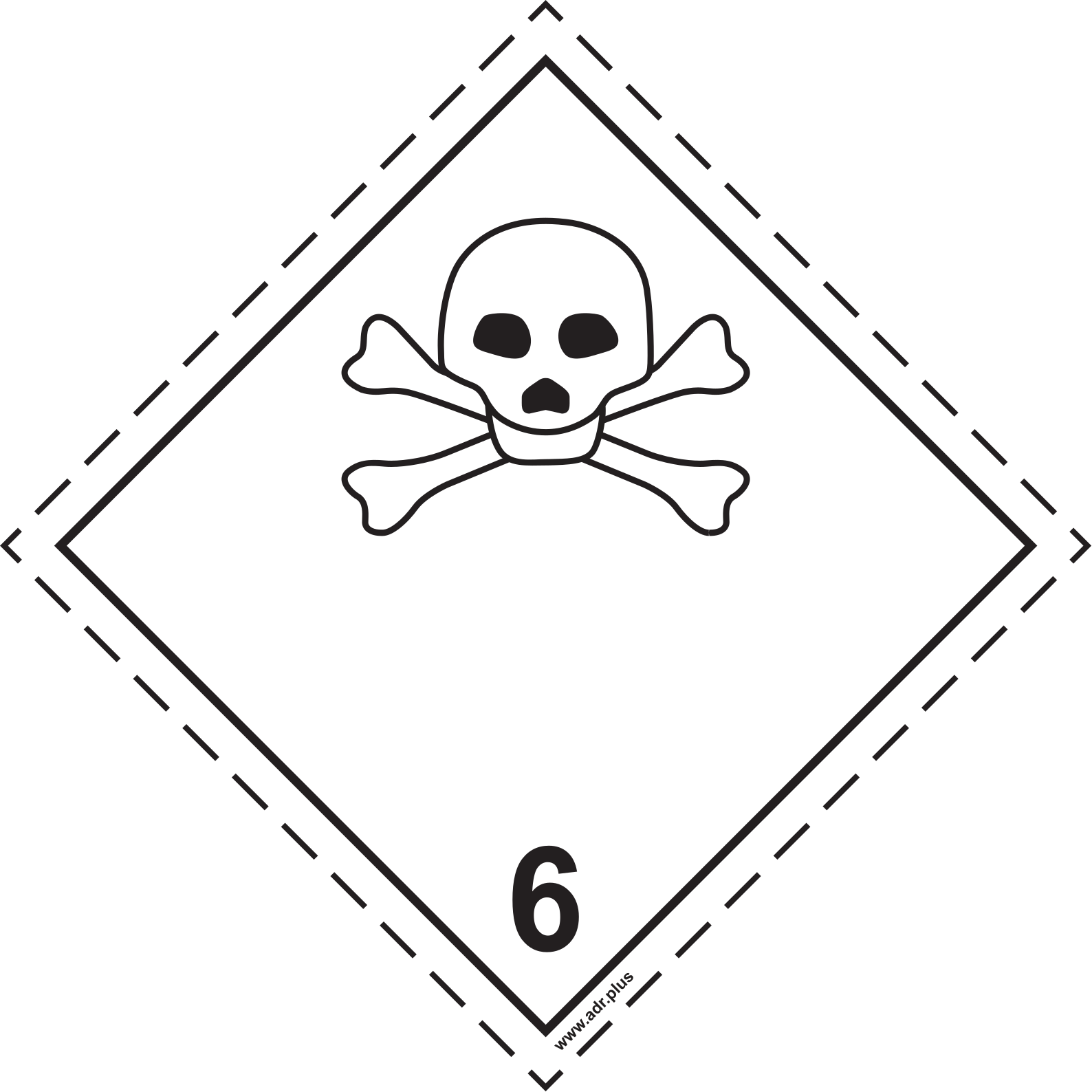
Class 6.1
Toxic substances
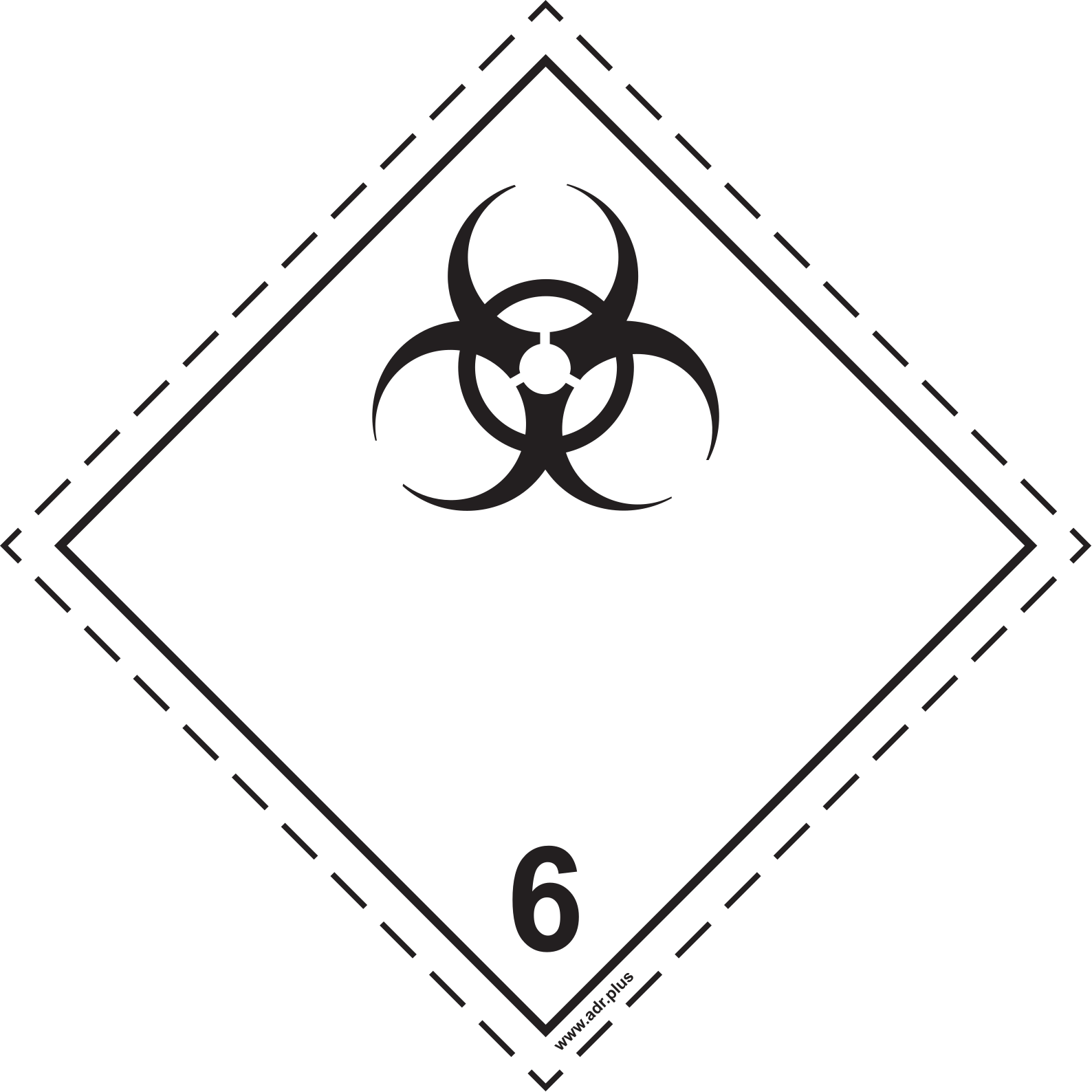
Class 6.2
Infectious substances
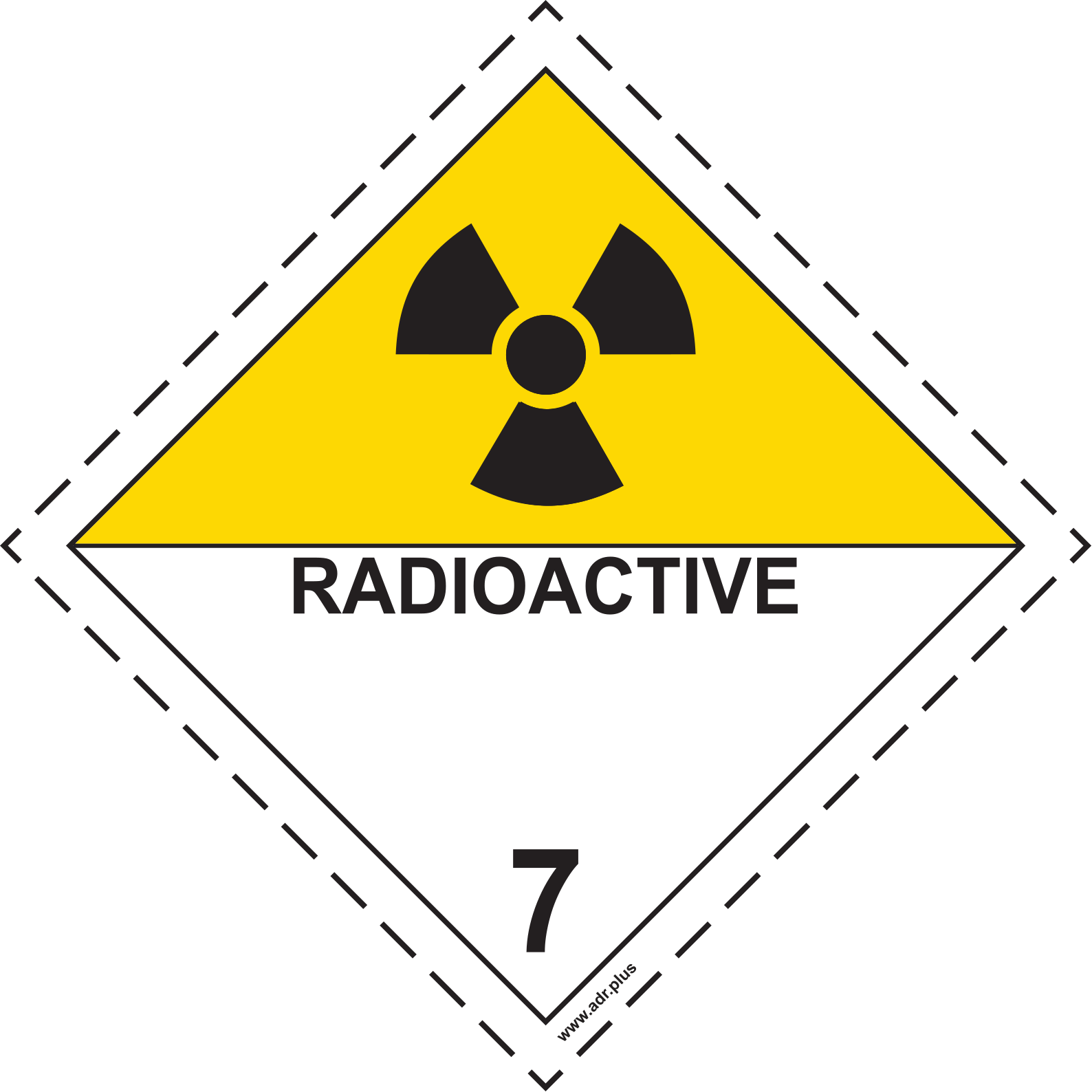
Class 7
Radioactive material
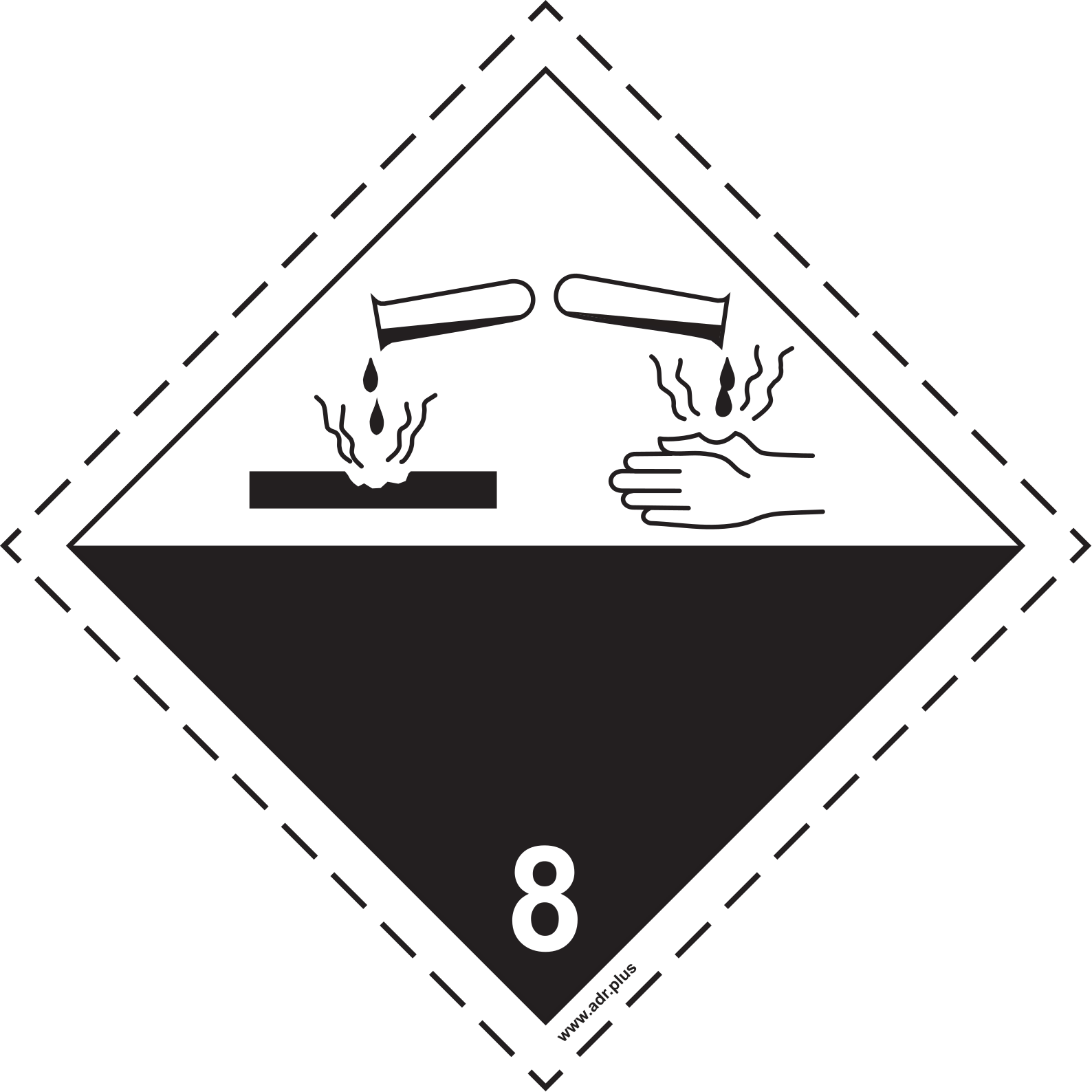
Class 8
Corrosive substances

Class 9
Miscellaneous
Latest insights
Read the blog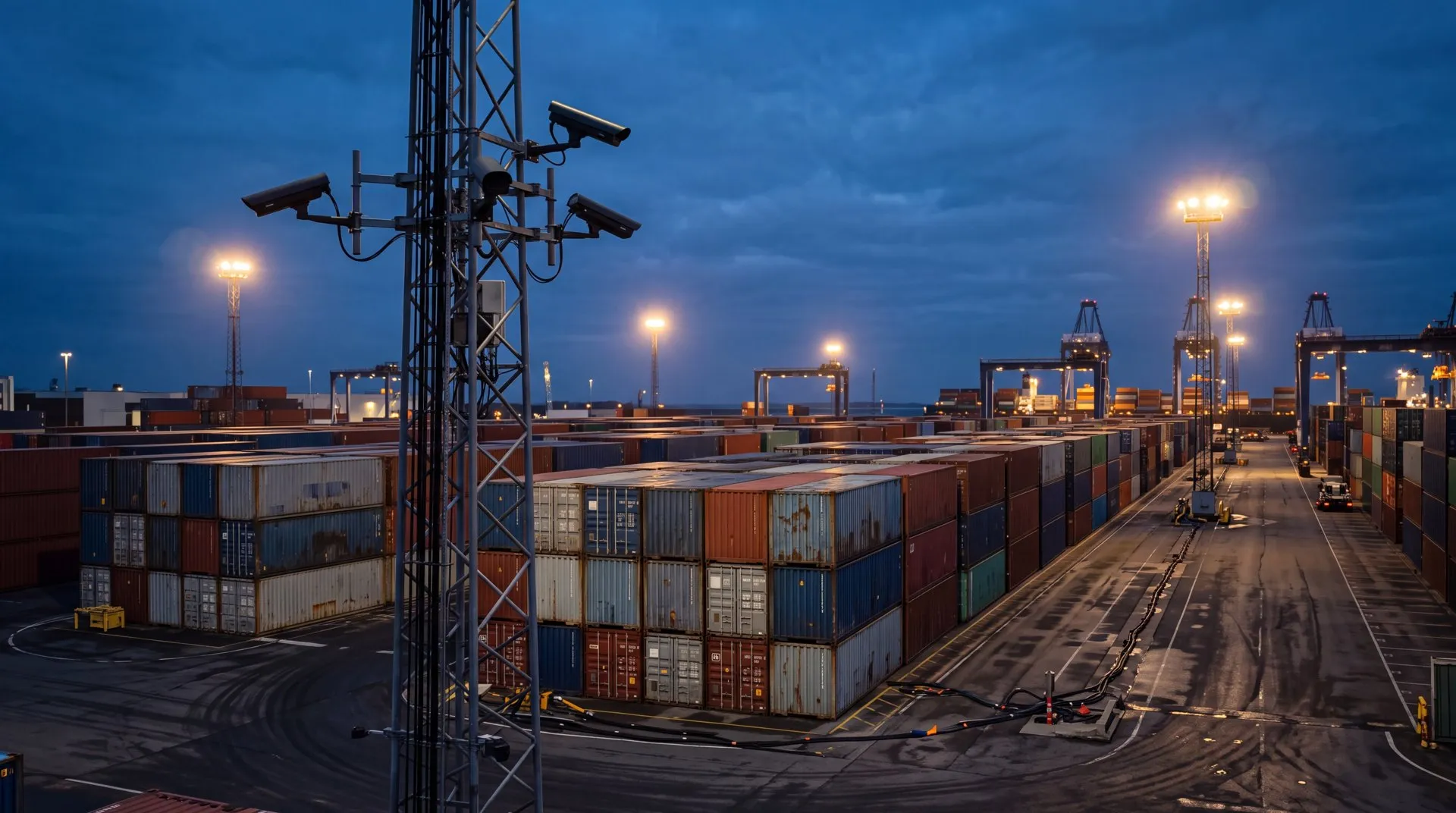
ADR security plan — who needs one and what goes in it
Chapter 1.10 of ADR in plain language — which goods are high consequence dangerous goods, who must have a security plan, what it must contain and how it is checked.
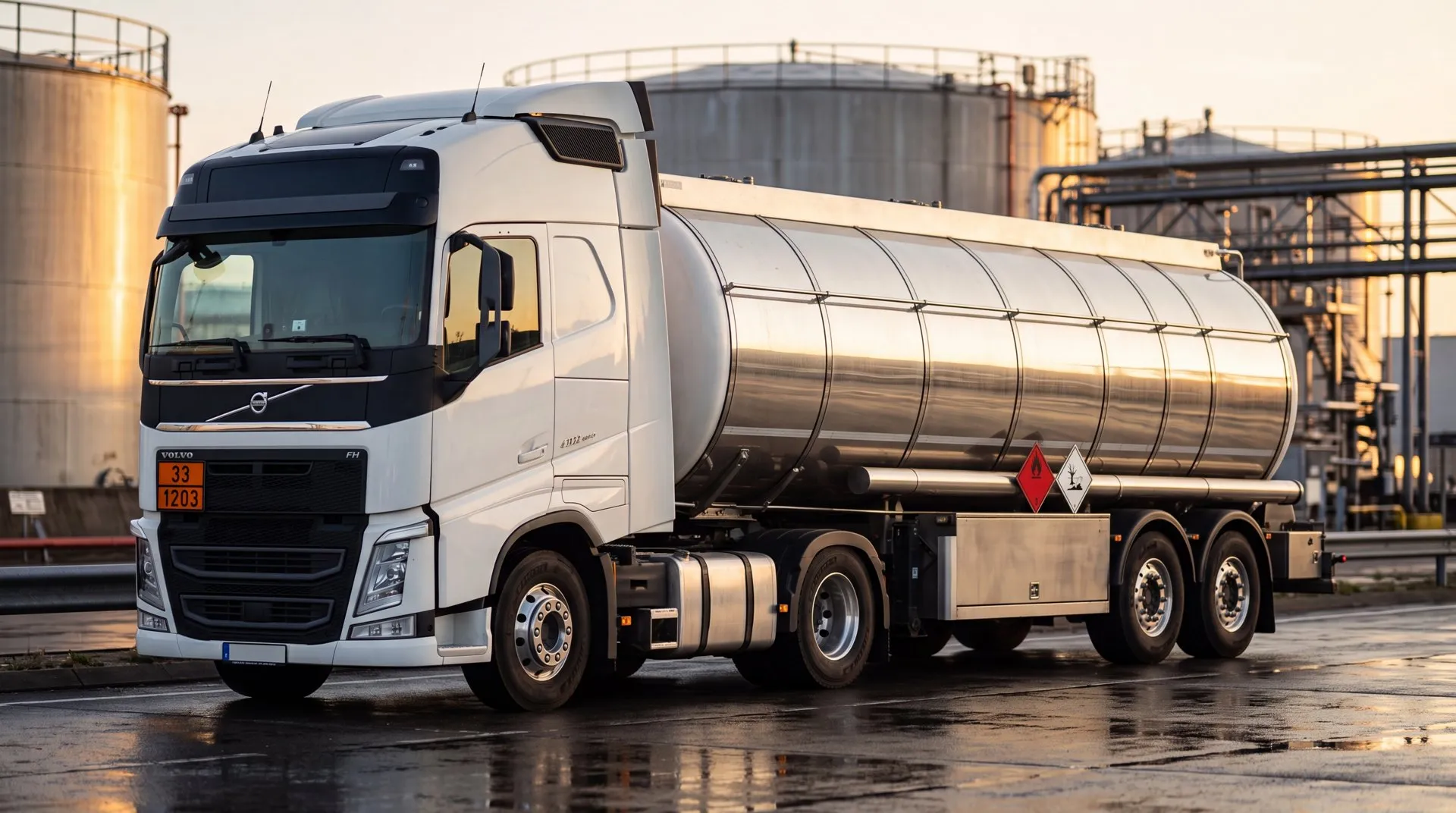
Dangerous goods in tanks — what changes for the company
How carriage in tanks differs from packages — vehicle approval, annual inspection, orange plates with numbers, the filler and the threshold for a security plan.
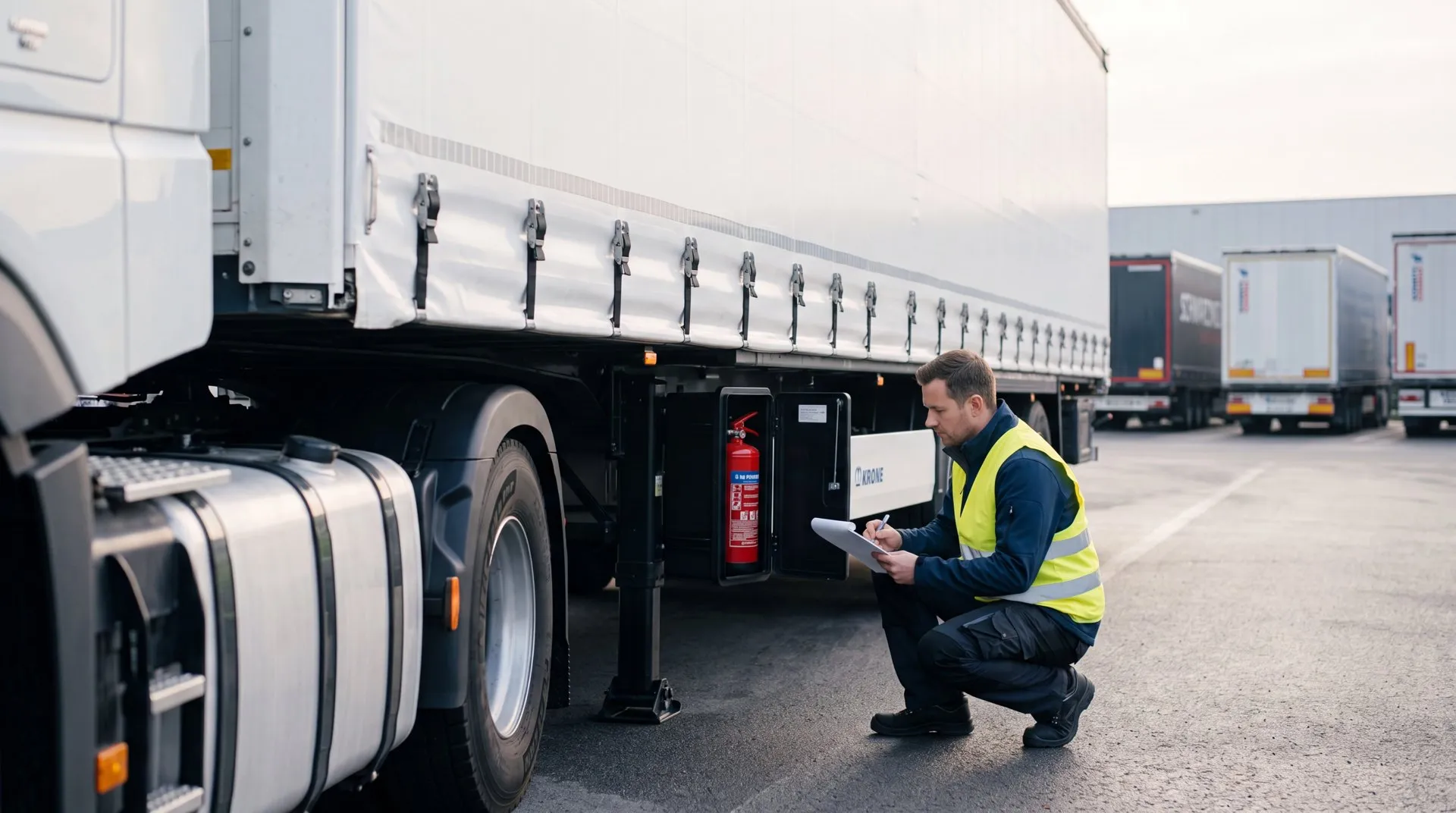
Carrying packaged dangerous goods — vehicle and documents
What must be in the cab, which equipment and fire extinguishers ADR requires, how a vehicle with packages is marked and whether it needs a special approval.
Frequently asked questions
What is ADR?
ADR is the European agreement governing the international carriage of dangerous goods by road. It sets the rules for classification, packing, labelling, documentation and vehicle equipment.
Do I need a DGSA?
Most companies that consign, pack, load or carry dangerous goods by road must appoint a Dangerous Goods Safety Adviser (DGSA). Some small-quantity exemptions apply — see our DGSA guide for details.
How many hazard classes does ADR define?
ADR groups dangerous goods into 13 classes, from Class 1 explosives to Class 9 miscellaneous dangerous substances. Class 2 (gases) is further split into three divisions.
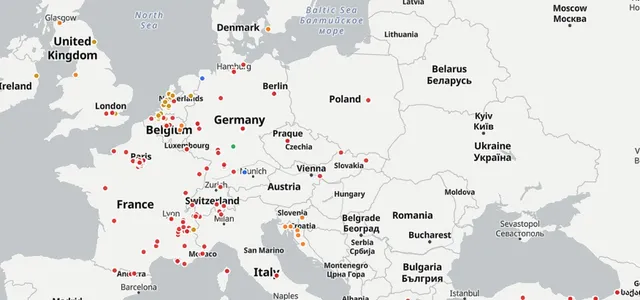
Where can I check tunnel restrictions?
Use the tunnel restrictions tool to look up any European tunnel and see which vehicle categories are restricted from carrying dangerous goods through it.