
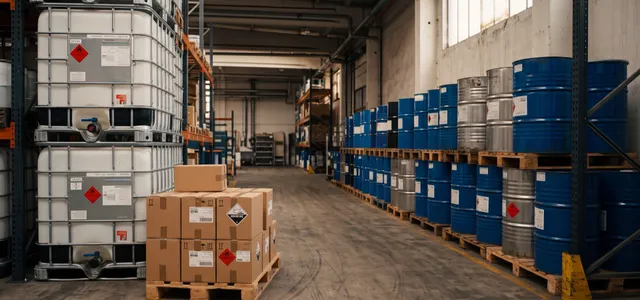
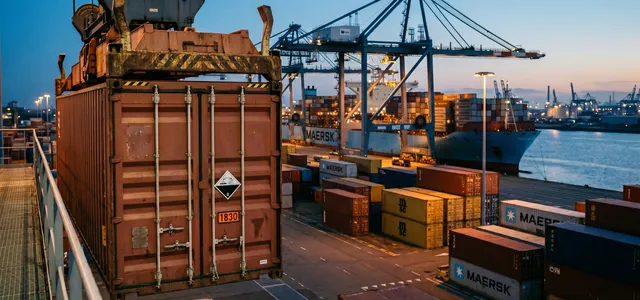

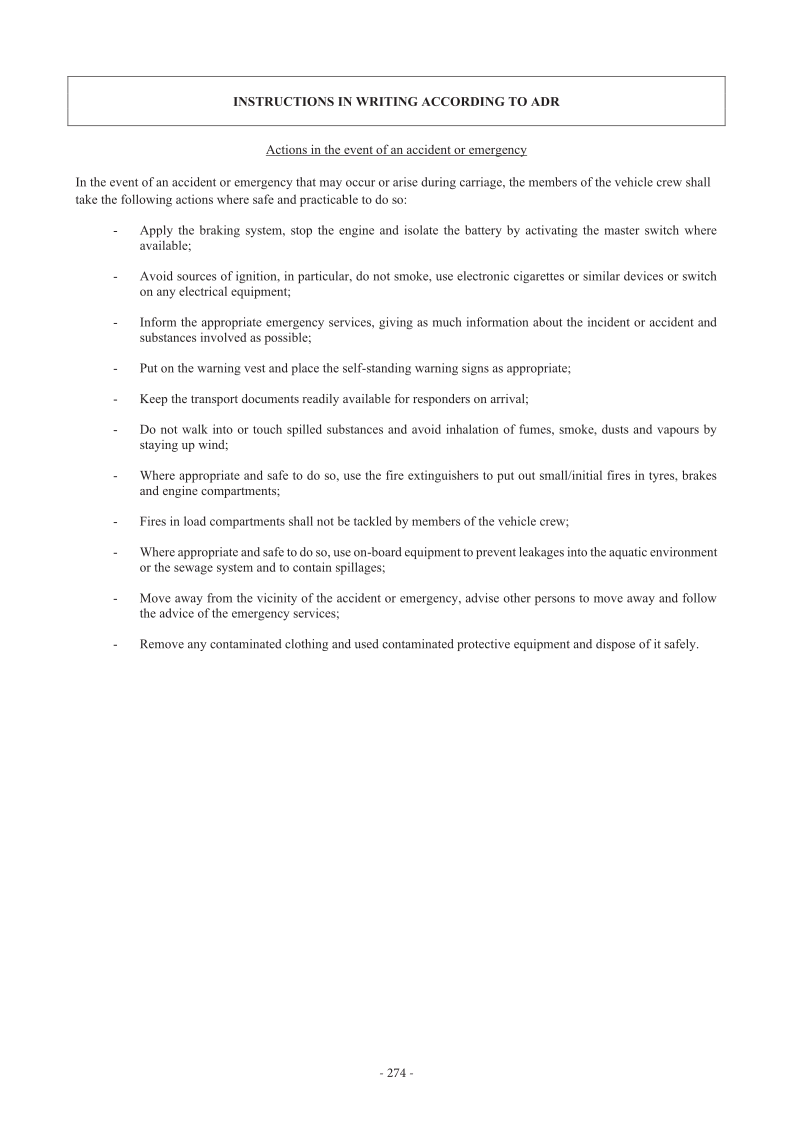
Waste and recycling — the load stays dangerous to the end
Batteries from collection points, aerosols, leftover paints, contaminated packagings, asbestos after demolition — at a recycler the dangerous good does not end, it begins. Every run to disposal is an ADR carriage with papers of its own. We help keep both ledgers — waste and transport — in one order.
A waste remains a full dangerous good all the way to disposal — the word WASTE goes before the name in the transport document, and a waste code does not replace the UN classification.
This is what you already ship
Typical dangerous goods of the industry — with the real Table A entries. Tap any card to open the full UN page in our reference.
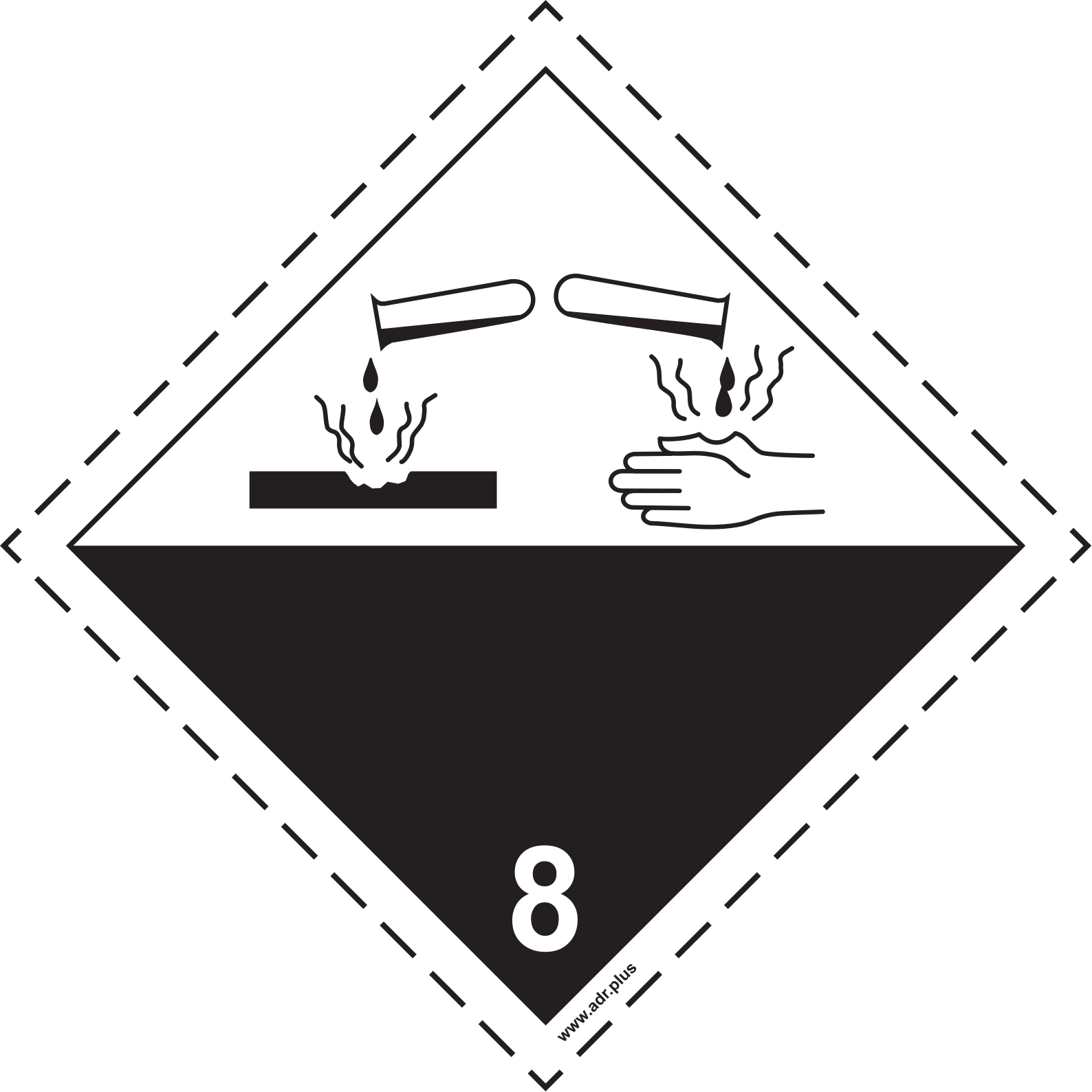 Class 8
UN 2794, BATTERIES, WET, FILLED WITH ACID, electric storage
Lead-acid batteries — take-back from workshops and shops
LQ 1 L
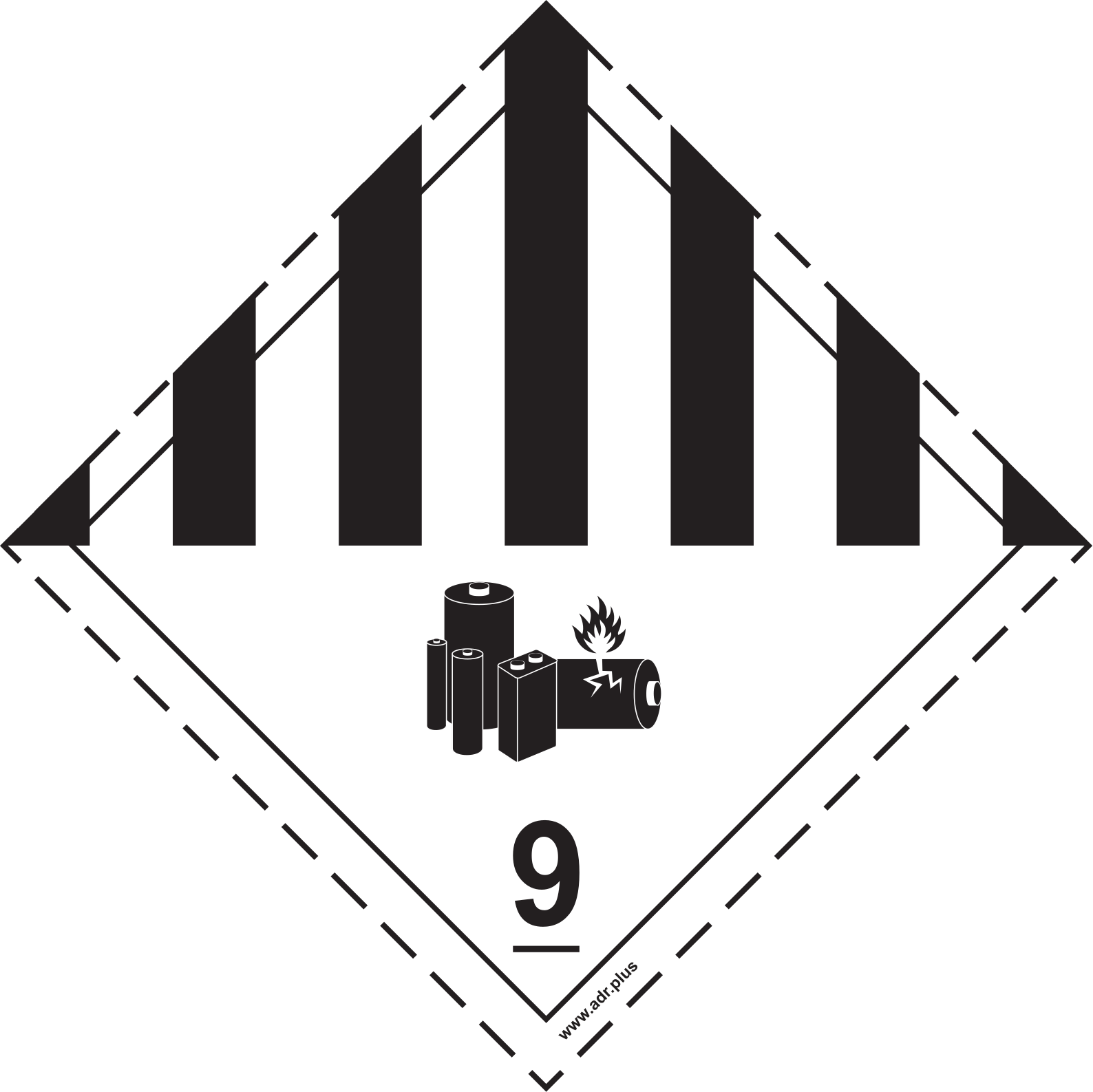 Class 9
UN 3480, LITHIUM ION BATTERIES
Lithium ion batteries — collected from electronics and scooters
LQ 0
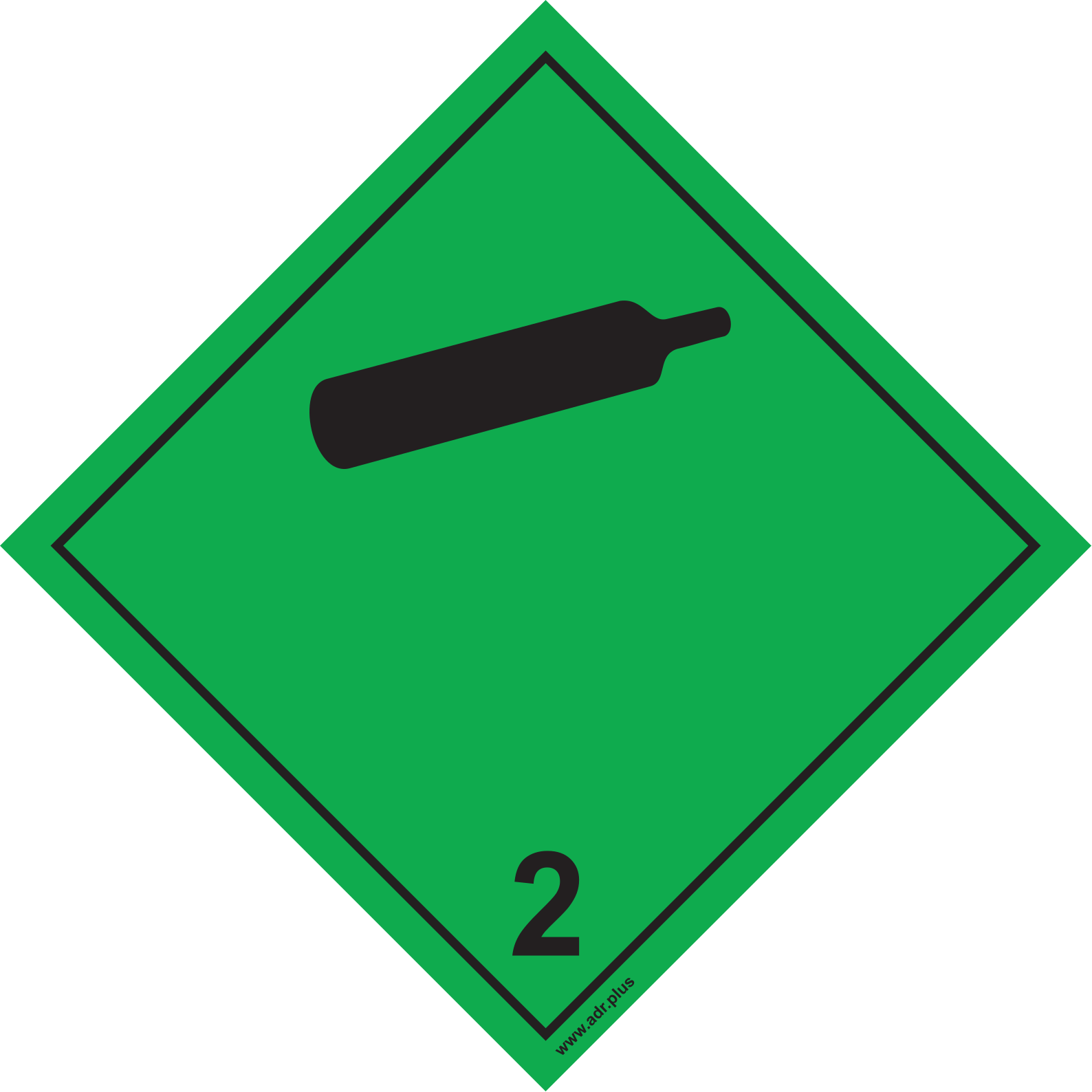
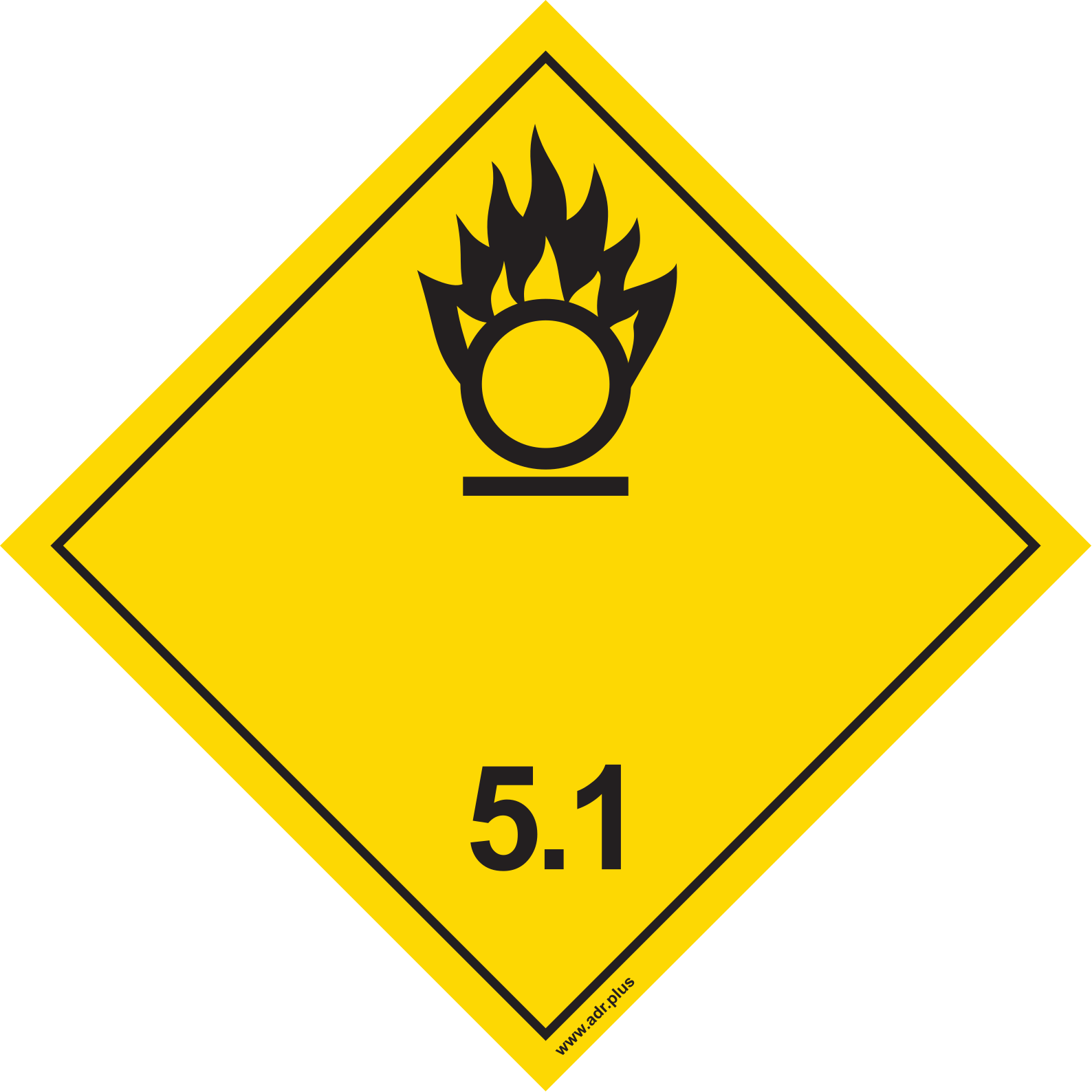 Class 2
UN 1950, AEROSOLS, flammable
Waste aerosols — cans that are never quite empty
LQ 1 L / 120 ml
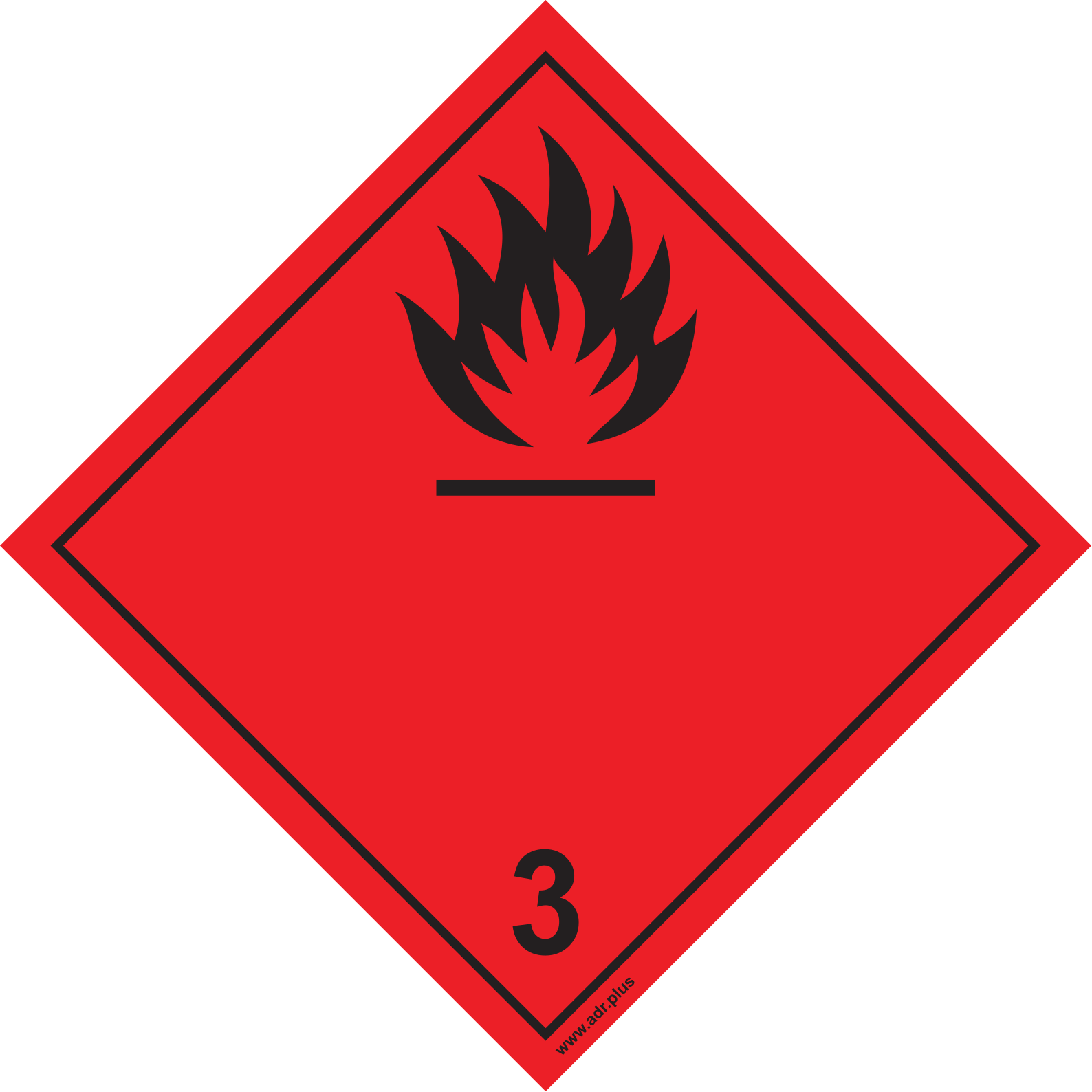 Class 3
UN 1263, PAINT
Waste paint — leftovers from households and workshops
LQ 500 ml / 5 L
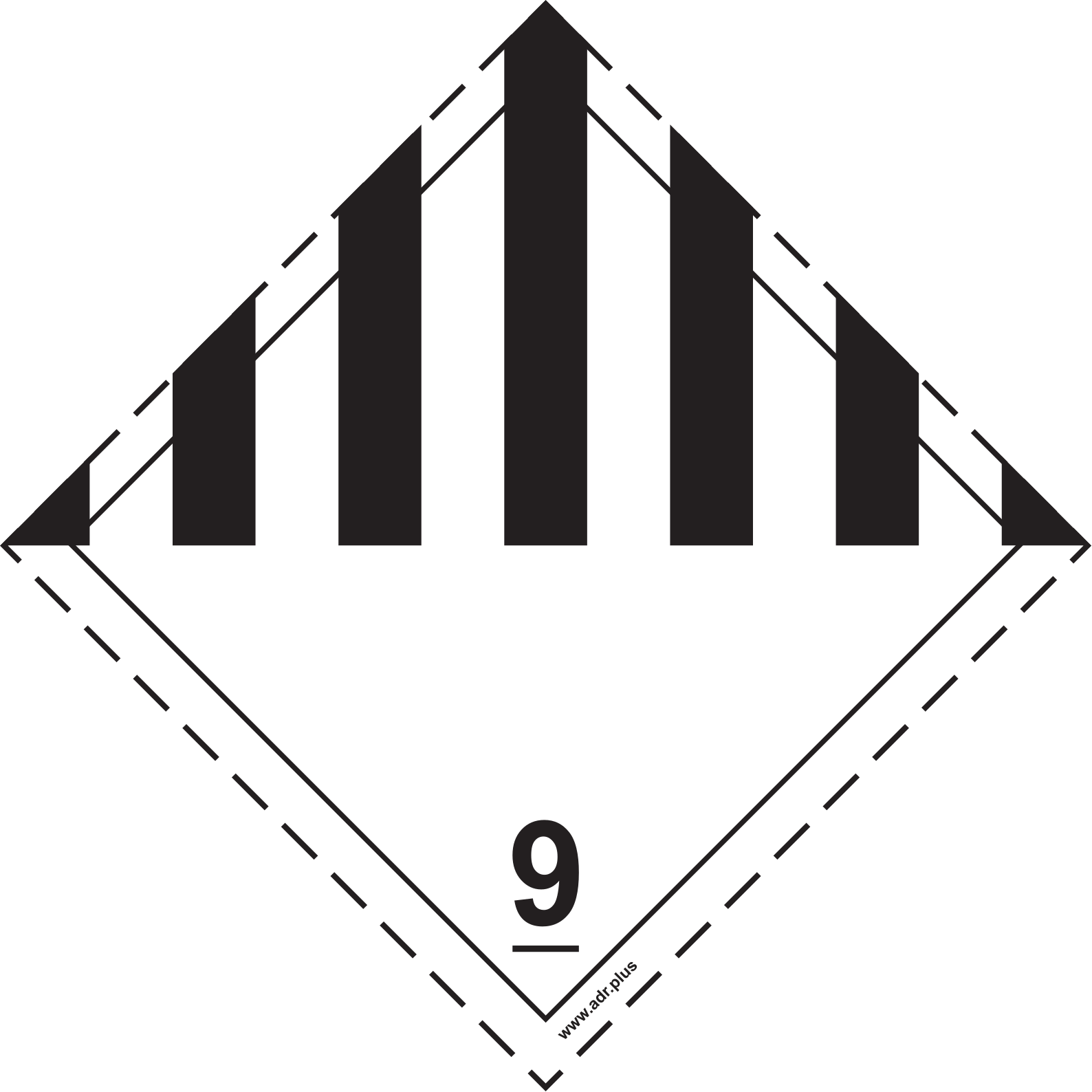 Class 9
UN 3509, PACKAGINGS, DISCARDED, EMPTY, UNCLEANED
Discarded empty packagings — uncleaned drums and IBCs
LQ 0
Class 9UN 2590, ASBESTOS, CHRYSOTILE
Chrysotile asbestos — dismantling and demolition
LQ 5 kg
Three ways your goods can travel
The same product can go as limited quantities, under the 1.1.3.6 partial exemption or in full ADR — the classification and the packaging decide.
Limited quantities (LQ)
Small inner packagings within the column 7a limit, up to 30 kg gross — the goods travel with the LQ diamond, free of most other ADR provisions (Chapter 3.4).
Partial exemption (1.1.3.6)
Below the transport category threshold per transport unit — no orange plates, no written instructions, no ADR driver certificate (the list in 1.1.3.6.2).
Full ADR
Above the thresholds the goods travel under the full set of rules — transport document, plates and labels, equipment, trained crew and every participant duty.
The same waste paint travels differently — small receptacles from a collection point may fit under LQ, a run from the yard may fit under 1.1.3.6, and a truck full of drums ships in full ADR with the word WASTE in the transport document.
Who answers for what
ADR splits the duties among the participants of the carriage. These are the roles your company typically holds — with the exact ADR paragraphs.
Consignor
Hands over only consignments that conform to ADR — classified, authorized, in approved packagings, with the transport documents furnished to the carrier.
Carrier
Checks before departure that the documents are on board, the vehicle and load show no defects or leaks, the plates and equipment are in place.
Loader
Checks packagings for damage before handing over, observes the mixed-loading prohibitions and the separation from foodstuffs.
Unloader
Compares the transport document with what actually arrived before unloading.
For each of these roles the company needs an appointed safety adviser (1.8.3.1) — ours works on subscription.
About the DGSAWhat a mistake costs
A battery box taken in without classification — the sums below are what national law charges for it.
Sanctions are national — checks are European
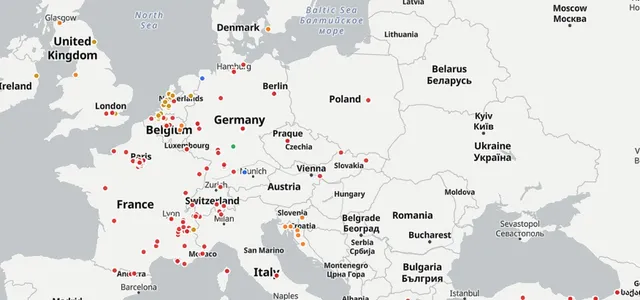
Every ADR country sets its own fines for dangerous goods violations. Roadside checks follow one European standard — Directive (EU) 2022/1999 with a common list of infringements by risk category. Open your country to see the authorities and the exact amounts.
Find your countryAnd beyond the fines
- A vehicle stopped at a roadside check — with your customer waiting for the delivery
- An incident with an untrained crew — and an insurer reading the file closely
- Violations on record — and inspections coming back more often
What the law expects from you
ADR duties come first — and your industry carries its own EU rules on top.
Under ADR
- Classify every product before it is handed over for carriage
- Train everyone who touches dangerous goods (Chapter 1.3)
- Appoint a safety adviser — carriers, consignors, loaders, packers alike
- Mark, document and equip every consignment correctly
EU rules of the industry
Waste Framework — Directive 2008/98/EC
Classification of waste and the duties of the holder. The waste code and the UN number are two parallel ledgers for one load — one does not replace the other.
Waste Shipment — Regulation (EU) 2024/1157
Cross-border movements of waste. Since May 2026 notifications and consents run through the digital system — paper folders no longer save the day.
Batteries Regulation — Regulation (EU) 2023/1542
Collection targets for used batteries — 63% of portable batteries by 2027. More collection means more carriage of used batteries, and that is ADR territory.
The industry in numbers
119 million t
of hazardous waste generated in the EU in a year — 31% more than in 2010 (2022)
Source · EurostatIs this about you?
If even one line matches your operation — it is worth a conversation.
- You take in batteries, paints or aerosols from households
- Hazardous waste goes to disposal in your own vehicles
- The consignment notes carry a waste code, but no UN number
- Drums and IBCs that held chemicals leave the yard uncleaned
- Lithium from electronics piles up, and nobody has sorted out how it may leave
Our solutions
Waste is never uniform — our system classifies each flow before it rolls out of the gate.
Cargo instruction with the transport document entry
Classification, the carriage regime and the ready transport document entry — for a specific cargo.
from €50 / document
A consultant on subscription
A certified safety adviser, the appointment notice and the platform — from €50 a month plus €10 per consignment.
ADRplus One
Train the team
Chapter 1.3 courses online, in your languages — at your own pace, with certificates.
Course is being updated
ADR compliance audit
A remote compliance audit with a report — where you stand and what to fix first.
€290
Questions from the industry
Have a different question?
Contact the consultantWe already have waste codes — why UN numbers on top?
A waste code and a UN number answer different questions — what the waste is and how it may travel. The environmental ledger does not replace the transport one, and the roadside inspector cares about the second. We merge both into one table for every flow.
Waste is not a product. How is it a dangerous good?
A very real one. Until the waste is disposed of, it travels under ADR — with classification, packaging and the word WASTE in the transport document. That nobody paid for the load makes no difference to the inspection.
What do we do with lithium batteries from collection?
Treat them as a flow of their own. Used, damaged and rejected batteries fall under special conditions — SP 376 and SP 377, applied during classification. The right packagings and separated flows remove most of the risk while still in the yard.
Where do we start?
Send the list of your flows — what you take in, what piles up, where it goes. We prepare the cargo instruction with the transport document entry from €50 per document, and the subscription from €50 plus €10 per carriage covers the adviser, the platform and the training of your people.
Tell us how your goods move
Within one working day you get a clear answer — what applies to you, what does not, and what it costs to be in order.