

Koningstunnel
Netherlands · Den Haag · 1.3 km
What this restriction means
ADR assigns every tunnel a restriction category from A (no restrictions) to E (the strictest).
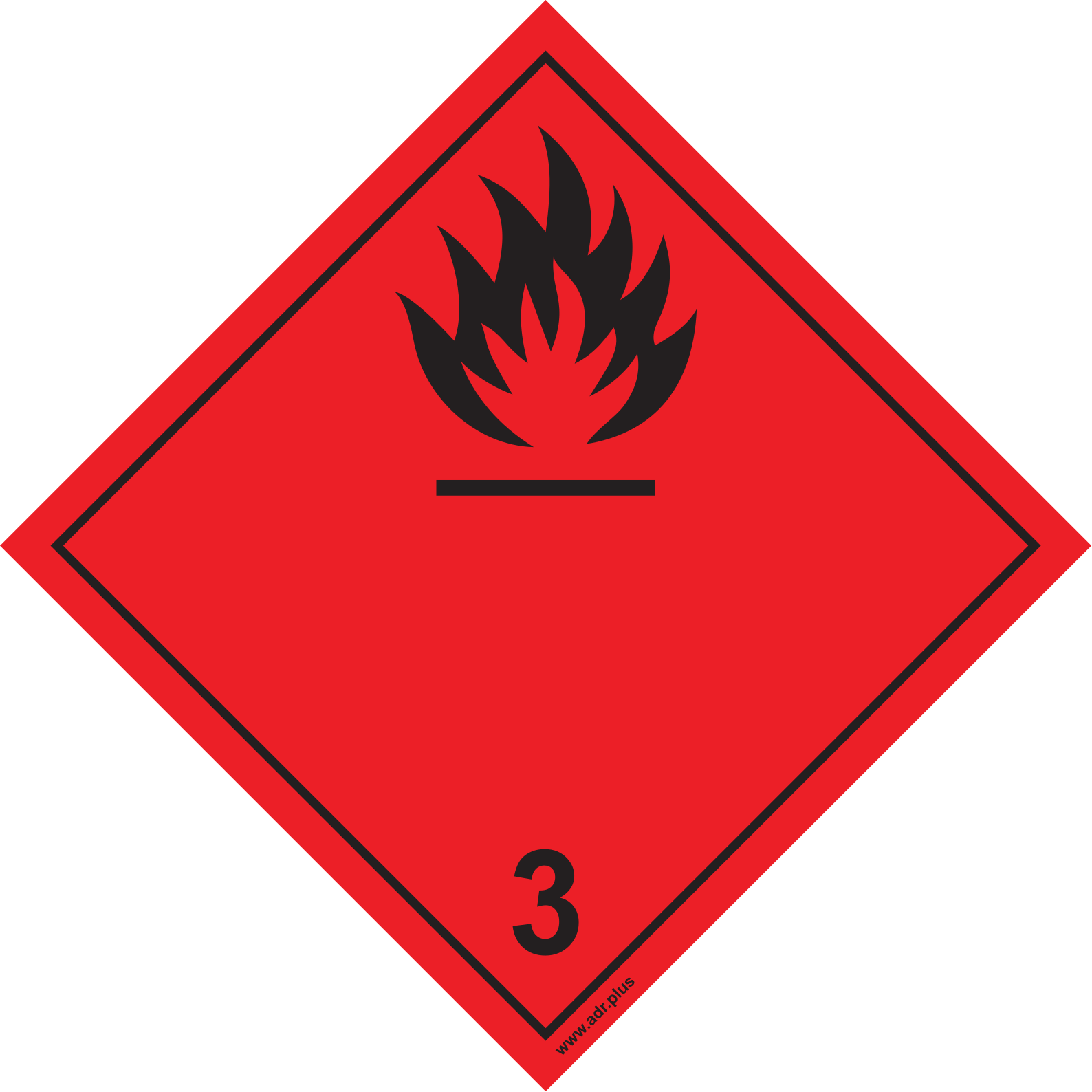
Closed to loads that could also cause a large fire — most flammable liquids and gases, on top of category C. Marked with a 'D' sign.
Official ADR wording
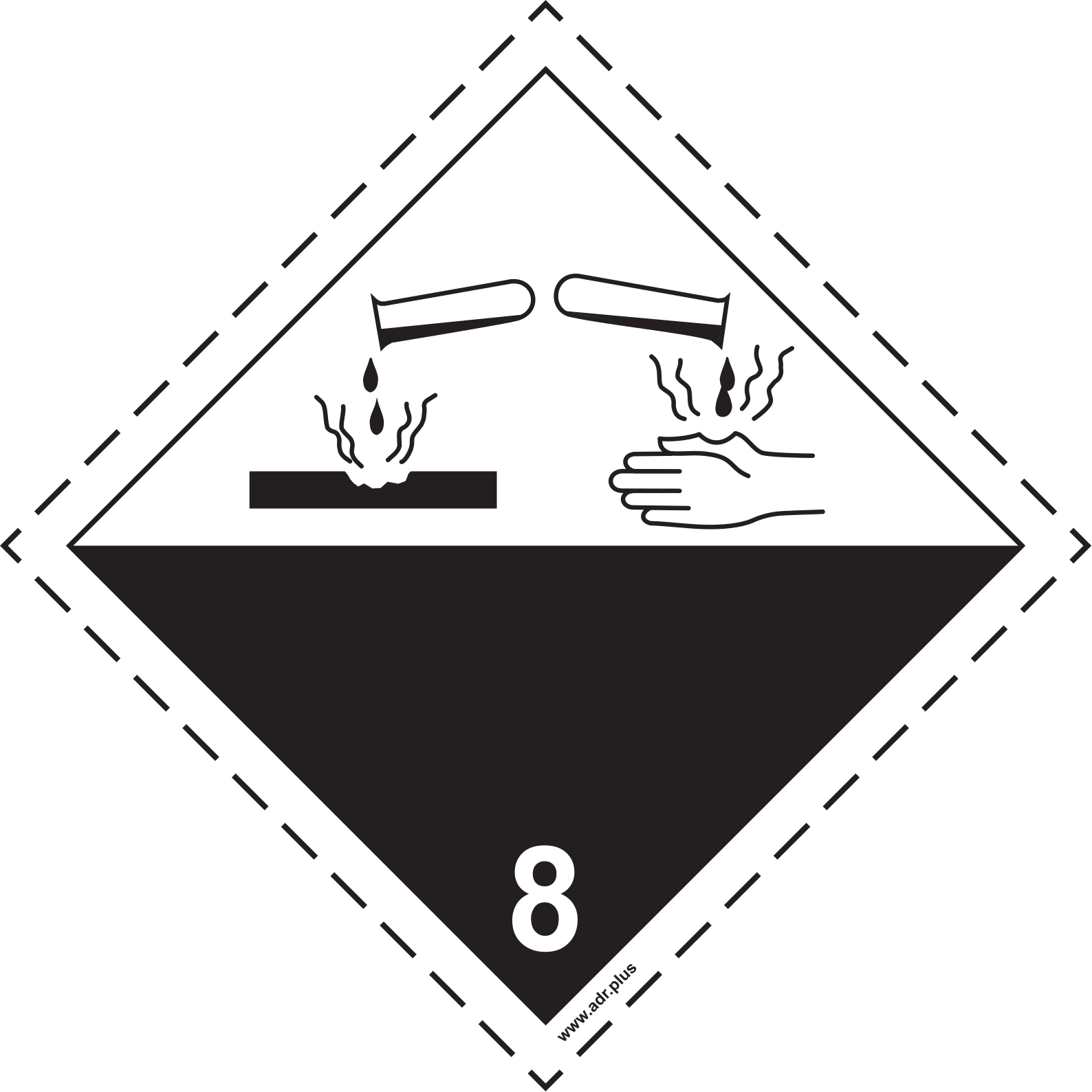
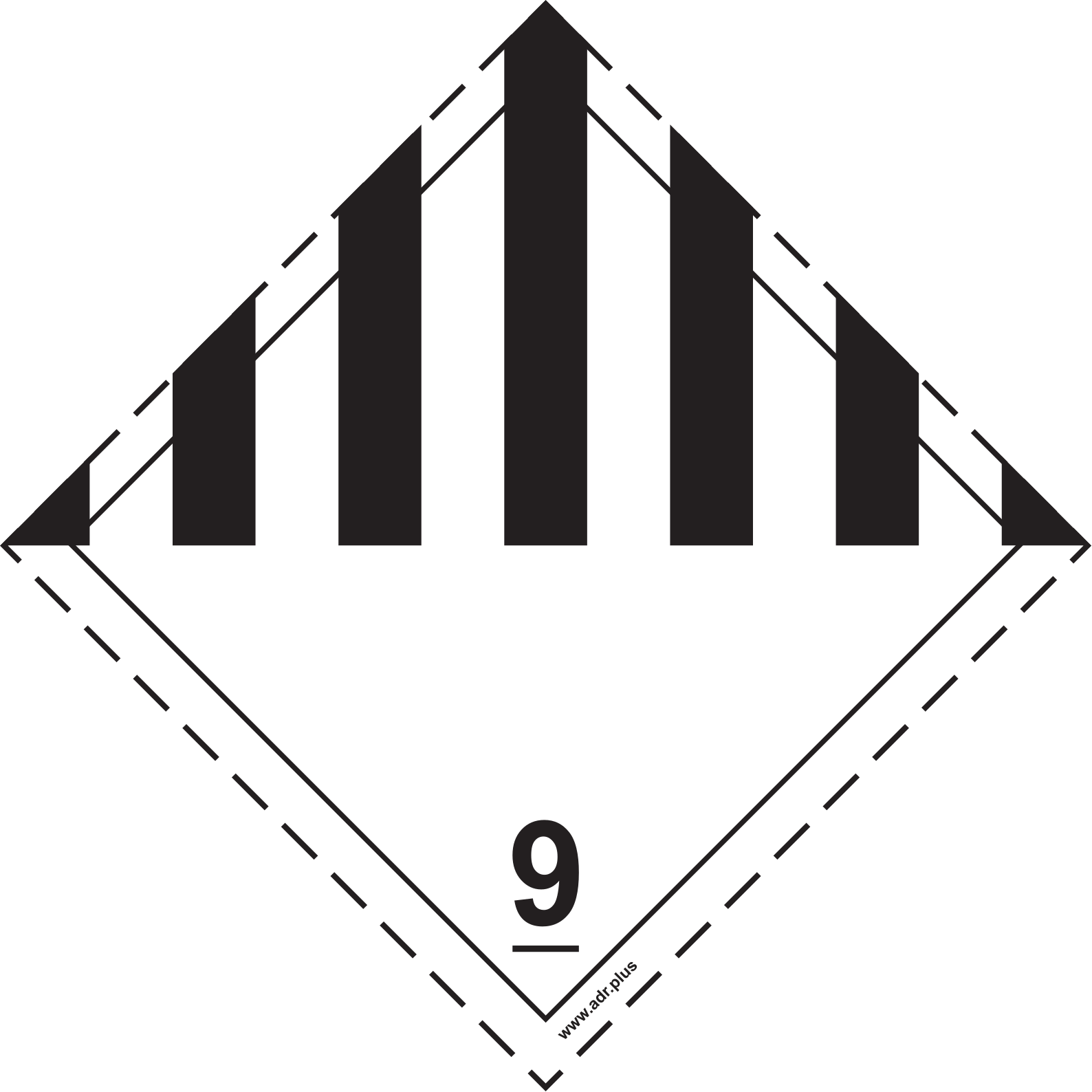
Restriction for the carriage of dangerous goods which may lead to a very large explosion, a large explosion, a large toxic release or a large fire. Covers all goods restricted in category C, plus: Class 1 Division 1.3 (groups C and G); Class 2 codes F, FC, T, TF, TC, TO, TFC, TOC; Class 3 UN 3528; Class 4.1 self-reactive substances types C, D, E, F and UN 2956, 3241, 3242, 3251, 3531, 3532, 3533, 3534; Class 5.2 organic peroxides types C, D, E, F; Class 6.1 PG I for codes TF1, TFC, TFW and UN 3507, plus toxic-by-inhalation entries with special provision 354 and UN 3381 to 3390; Class 8 PG I for codes CT1, CFT, COT; Class 9 codes M9 and M10. When carried in bulk or in tanks: Class 3; Class 4.2 PG II; Class 4.3 PG II; Class 6.1 PG II and PG III for code TF2; Class 8 PG I for codes CF1, CFT, CW1 and PG II for codes CF1, CFT; Class 9 codes M2 and M3.
Which cargo is affected
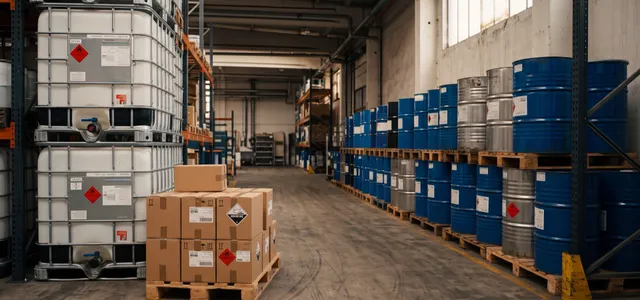
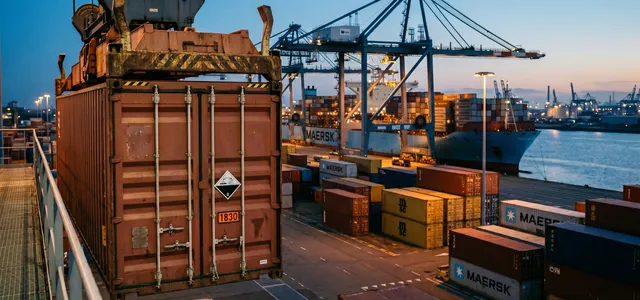
Category D tunnels are the most common restriction level — they also exclude goods that could cause a large fire, covering most flammable classes.
Restrictions & provenance
ADR 1.9.5 category D scope.
Ministerie van Infrastructuur en Waterstaat / Rijkswaterstaat (regulation enforced by ILT) — Regeling vervoer over land van gevaarlijke stoffen (VLG), Bijlage 2, Artikel 3
Source ↗Plan compliant routes, end to end
A DGSA plus the platform turn tunnel codes into compliant routes, transport documents and driver instructions — not just a lookup.