
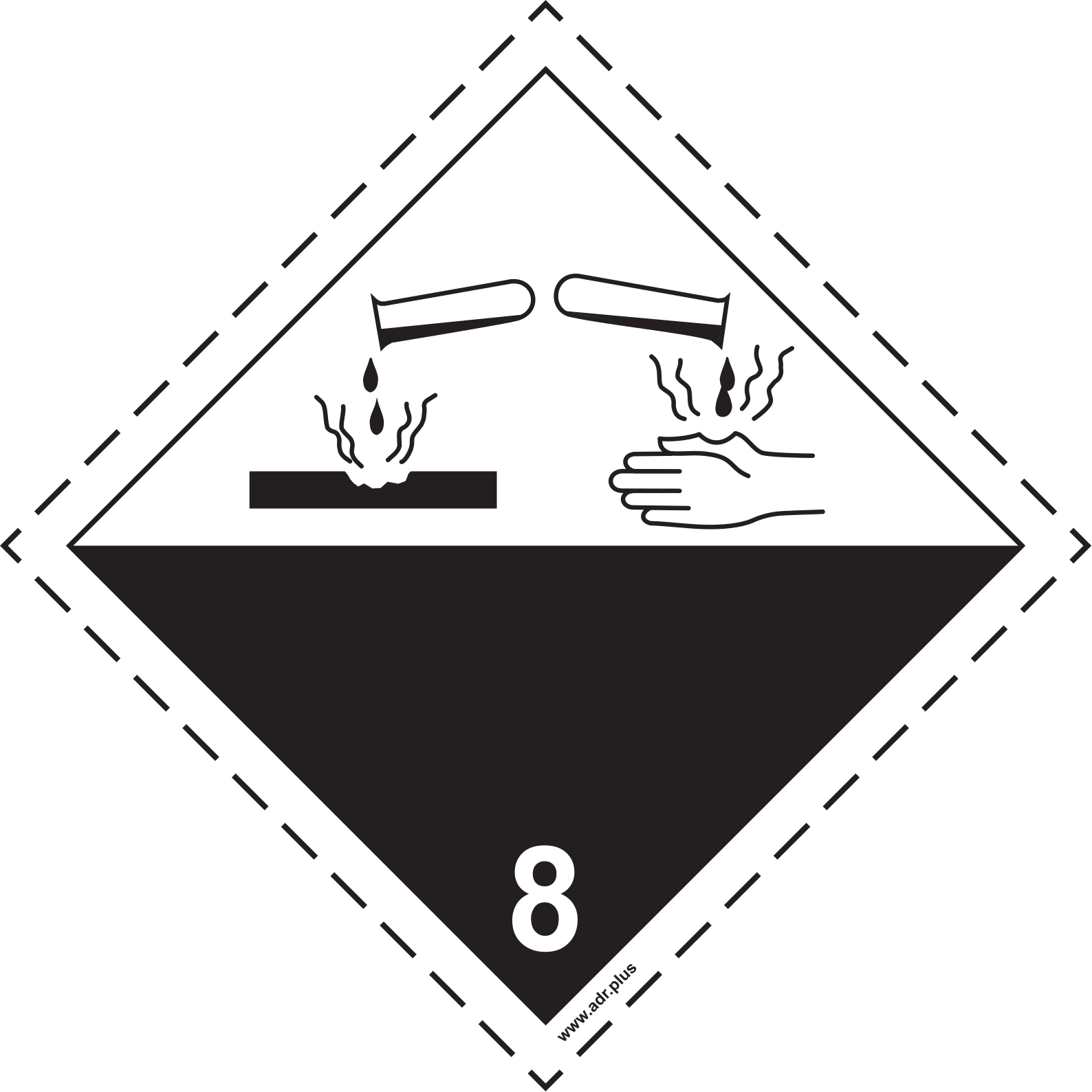
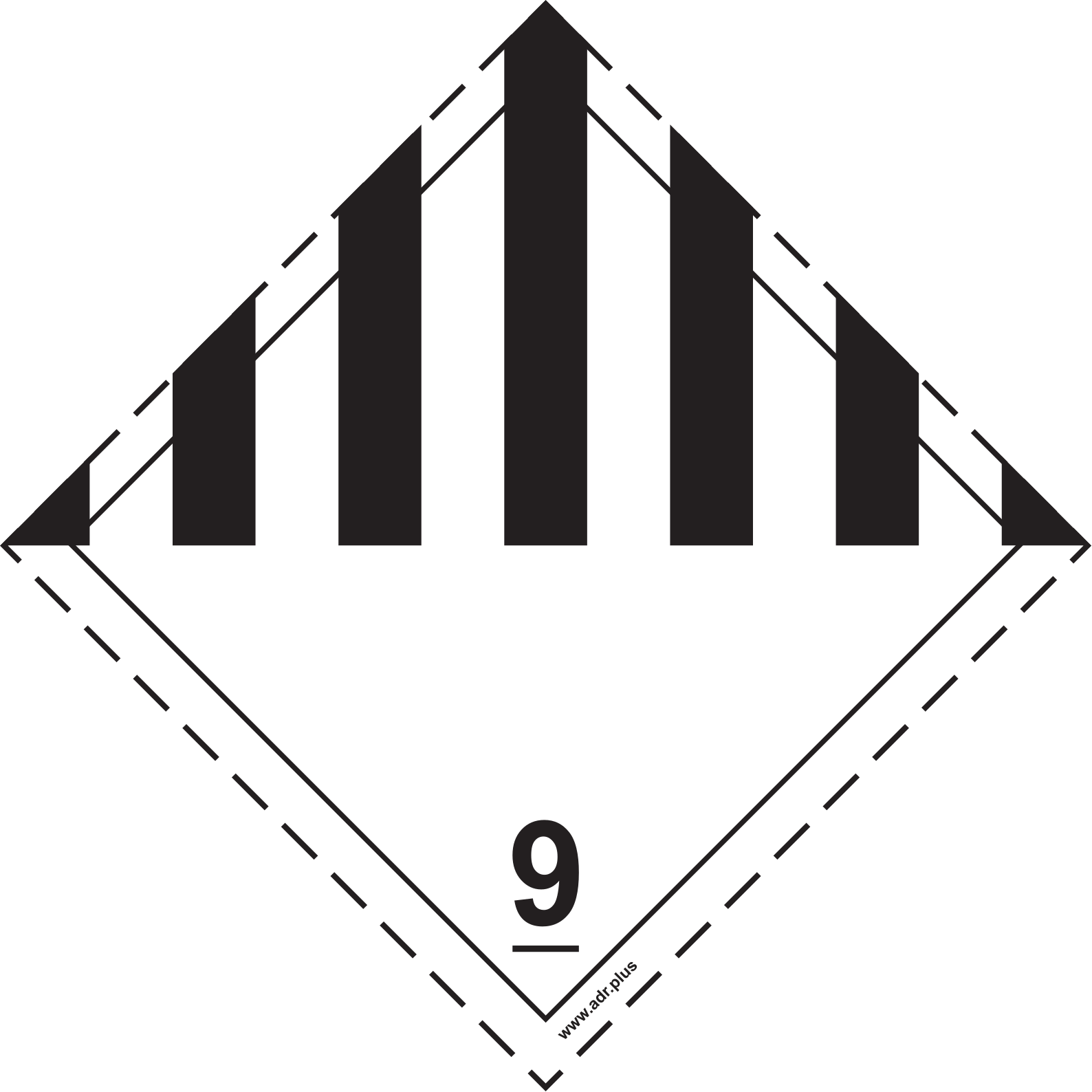

Class 2 covers gases — compressed, liquefied, refrigerated-liquefied and dissolved. ADR sorts them into hazard groups designated by a letter (2.2.2.1.3) — A asphyxiant, O oxidizing, F flammable, T toxic, plus the combinations TF, TC, TO, TFC and TOC. Corrosive gases are considered toxic and therefore fall into TC, TFC or TOC.
Those letters correspond to the divisions used on the danger labels and in the UN Model Regulations (NOTE 1 to 2.2.2.1.3).
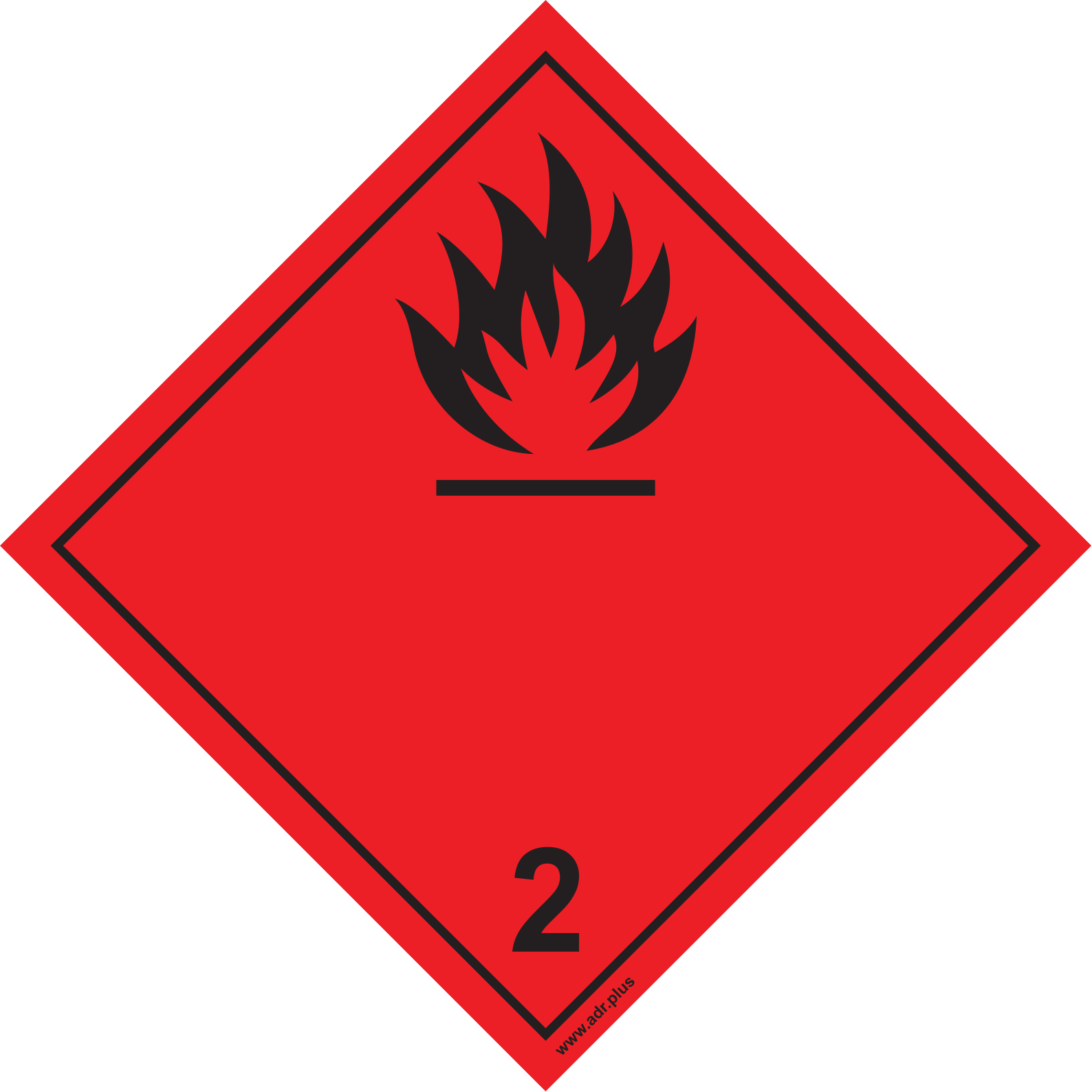
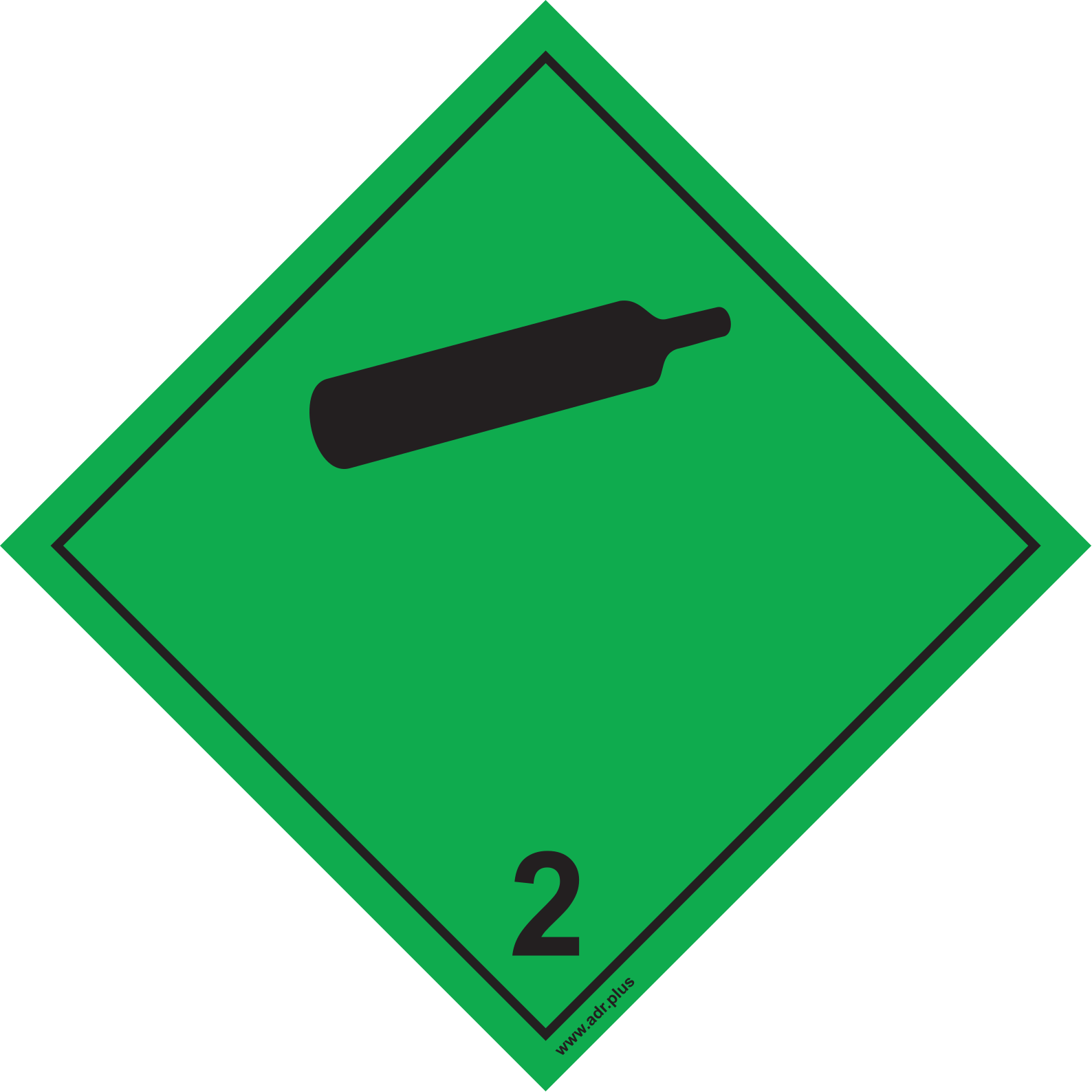
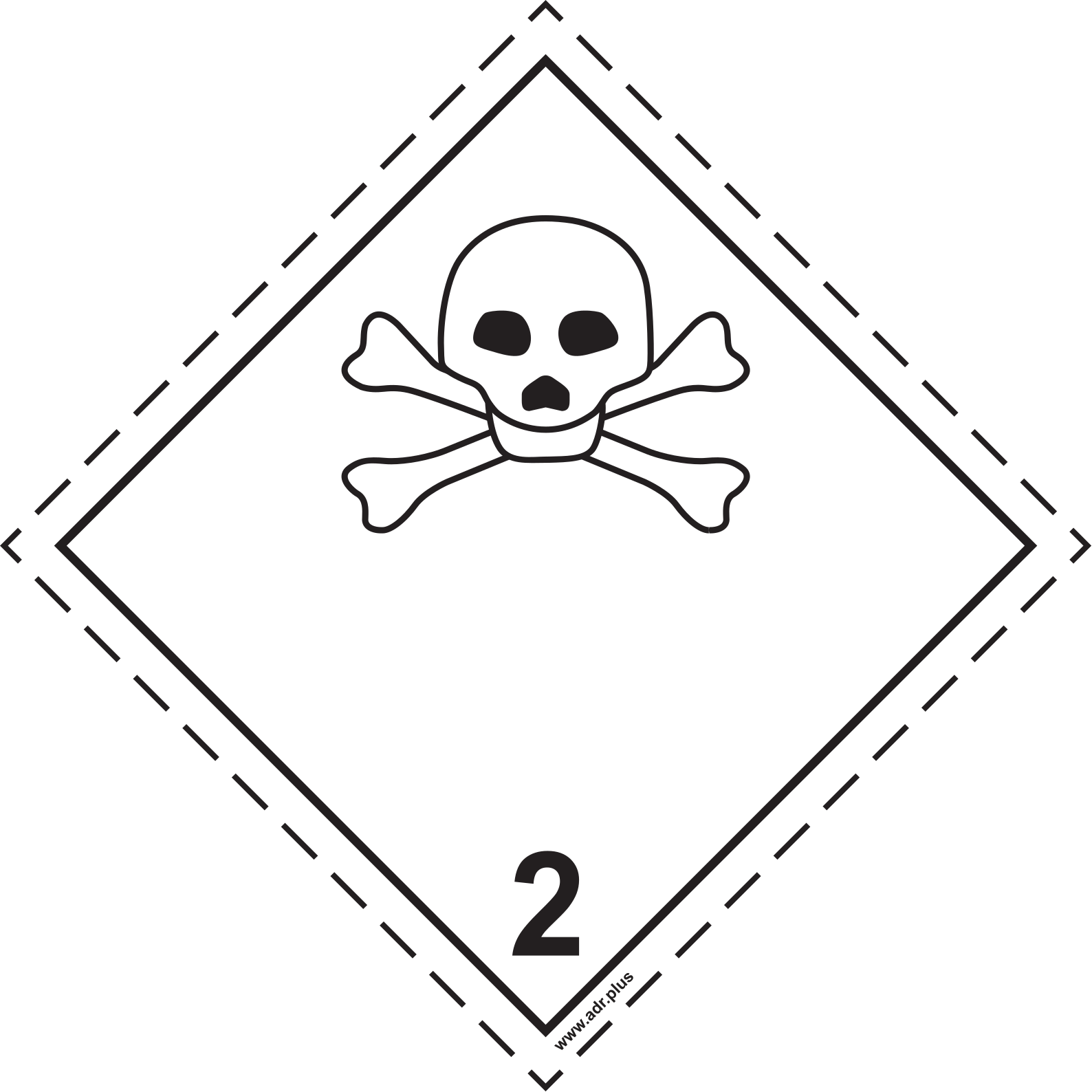
- 2.1 — flammable gases, group F (e.g. UN 1978 propane)
- 2.2 — non-flammable, non-toxic gases, groups A or O (e.g. UN 1066 nitrogen)
- 2.3 — toxic gases, the T groups (e.g. UN 1017 chlorine)
UN 1017 chlorine carries classification code 2TOC and labels 2.3, 5.1 and 8.
Cylinder construction (6.2). Pressure receptacles are built to one of the UN or national standards in 6.2.2 (UN cylinders) or 6.2.3 (non-UN). Materials — seamless steel, steel alloys, aluminium alloys, composite-wrapped.
Cylinder marking (6.2.2.7). Permanent stamping on the shoulder, top end, neck or a permanently affixed component.
- Manufacturer identification and serial number
- Cylinder type and design standard
- Test pressure (
PH) in bar, followed byBAR - Working pressure (
PW) where required - Water capacity in litres, followed by
L - Tare mass in kg
- Date of the initial inspection (year/month)
- Mark of the body that performed the periodic inspection and the date of that inspection (6.2.2.7.7)
Valves (4.1.6.8). Valves must either withstand damage without releasing the contents, or be protected from damage that could cause an inadvertent release — by placing the valve inside the neck under a threaded plug or cap, by caps or guards, by shrouds or permanent protective attachments, by carrying the receptacles in frames, or by carrying them in protective boxes. Filling follows the working pressures and filling ratios of the packing instruction for the specific substance (4.1.6.6).
Periodic inspection. The interval depends on the gas, set in Packing Instruction P200 (4.1.4.1) for that UN number. Typical intervals — 10 years for UN 1978 propane, 10 years for UN 1066 nitrogen, 5 years for UN 1017 chlorine. The stamp on the cylinder shows the last test. Beyond the next-due date the cylinder may no longer be filled — after the deadline it may only be carried for inspection or disposal purposes (4.1.6.10).
Colour coding. EN 1089-3 is the European standard — green shoulder for inert non-flammable, red for flammable, yellow for toxic, blue for oxidizing. Colour is informative. The legal identity of the contents is the label and the shipping name, not the paint.
Common mistake — refilling a cylinder past its retest date “because the paint looks fine.” Periodic inspection tests metal fatigue and seal integrity, not cosmetics. A refill past the due date is an uninspected pressure vessel — and in an incident, it is the filler and the carrier who answer for it.
References — ADR 2025 2.2.2 (classification of class 2), 6.2 (pressure receptacles), 4.1.4.1 P200 (packing instructions for gases), 4.1.6 (use of pressure receptacles).