
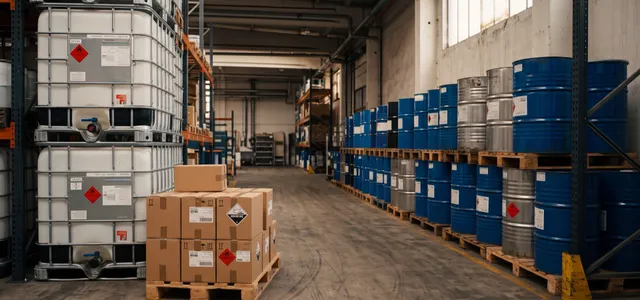

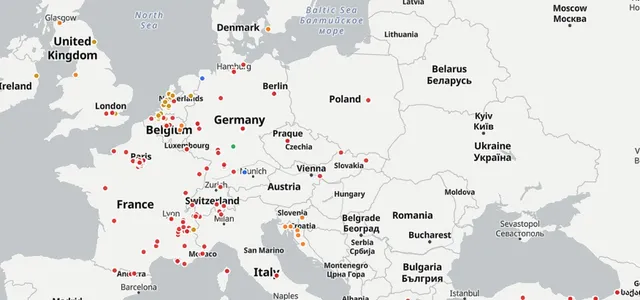
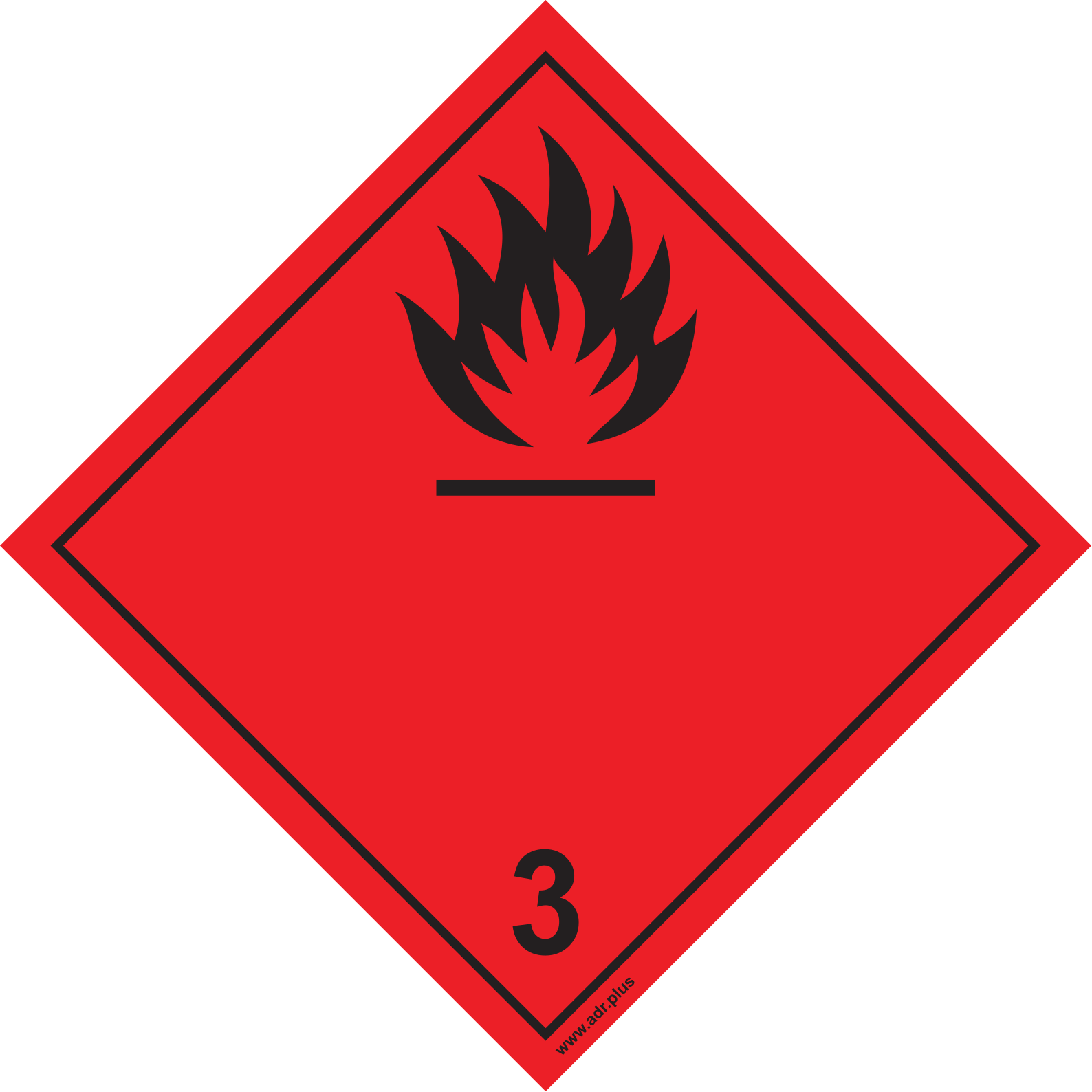
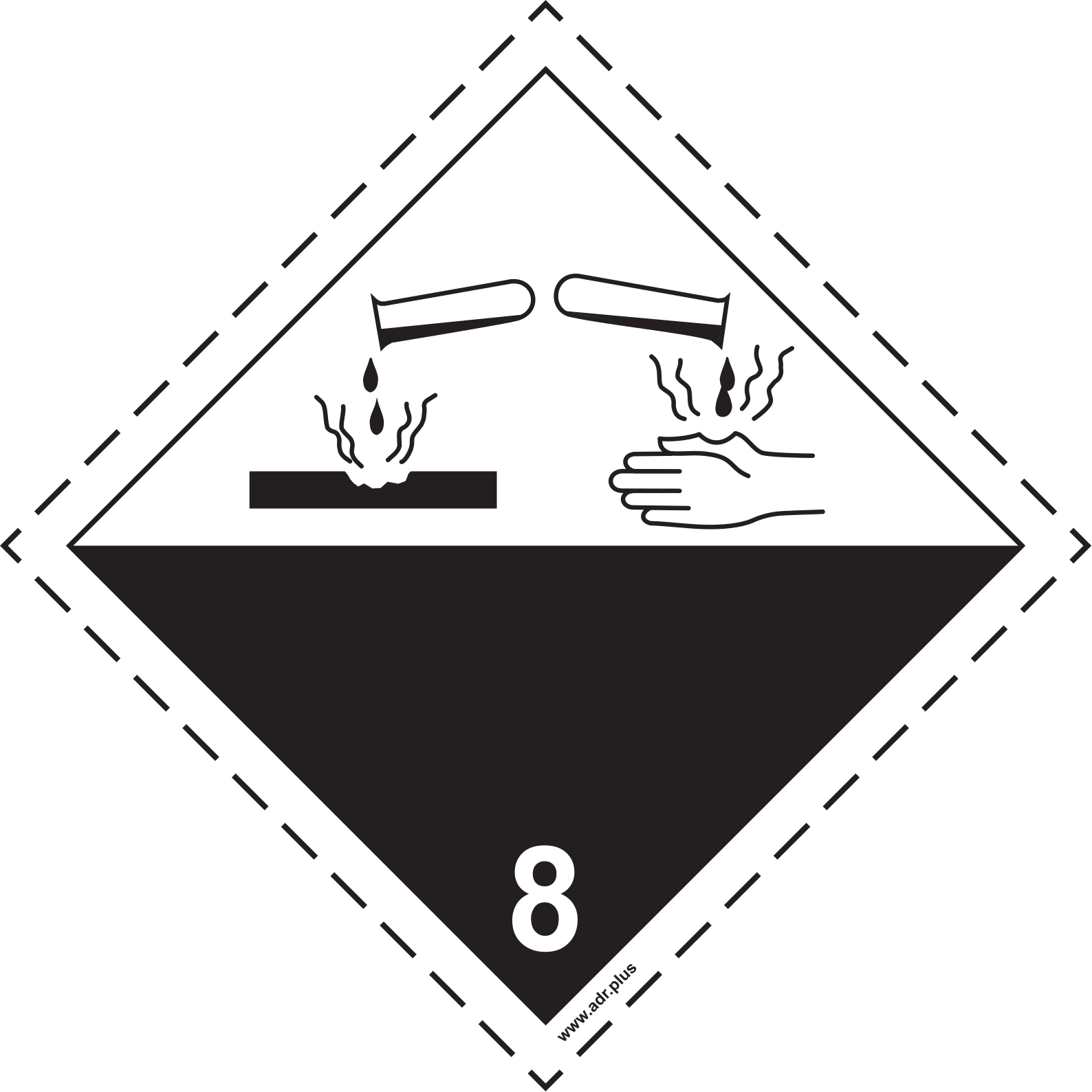


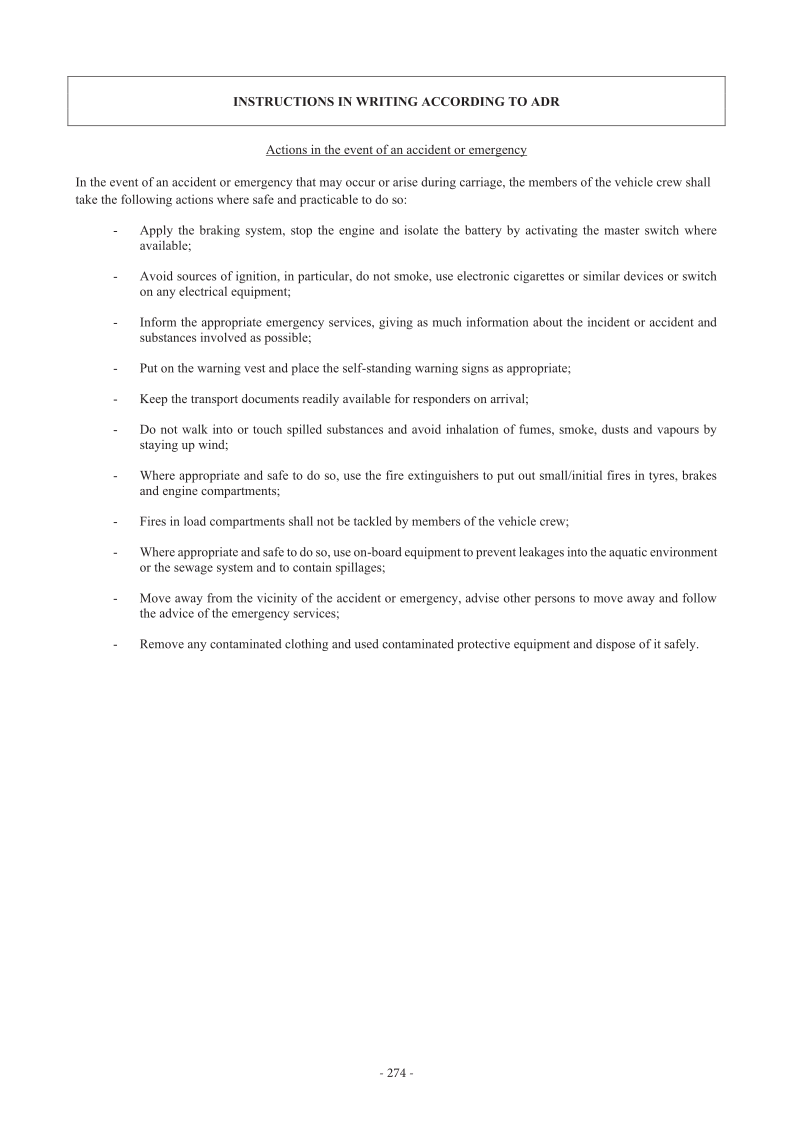
Every consignment of dangerous goods has to travel with a transport document. It’s what the driver shows at a roadside check and what emergency services read first after an incident. The shipper prepares it, the carrier keeps it in the cab.
For each substance or article on board, the document must contain the following.
- a) UN number prefixed with the letters
UN - b) proper shipping name from 3.1.2, with the technical name in brackets if the entry requires one
- c) hazard class / label numbers, subsidiary risks in brackets
- d) packing group (you may write
PG IIor justII) - e) number and description of packages
- f) total quantity per UN number (volume, gross or net mass as applicable)
- g) shipper name and address
- h) consignee name and address
- k) tunnel restriction code in capital letters in brackets — e.g.
(C/E)
Where these elements sit in the document is optional, except that a), b), c), d) and k) must be shown in that order with no other information interspersed, unless ADR provides otherwise (5.4.1.1.1).
Example line — UN 1098, ALLYL ALCOHOL, 6.1 (3), PG I, (C/D).
Waste — prefix WASTE before the shipping name. Empty uncleaned packaging — add EMPTY, UNCLEANED or RESIDUE, LAST CONTAINED. Salvage packaging — add SALVAGE PACKAGING after the description.
Language — at minimum an official language of the forwarding country, plus English, French or German if that’s not one of them (5.4.1.4.1).
Common mistake — drivers carry a CMR waybill but no separate ADR document with fields a–k. A CMR alone is not a valid ADR transport document unless it contains all the required elements.
References — ADR 2025 5.4.1.1.1 (required fields), 5.4.1.4.1 (language).