
Hazard labels are the diamond-shaped pictograms you see on dangerous-goods packages. They exist so that anyone handling the parcel — loader, forklift driver, emergency responder — can read the primary risk at a glance, without the paperwork.
Order package marking → · Order transport marking →
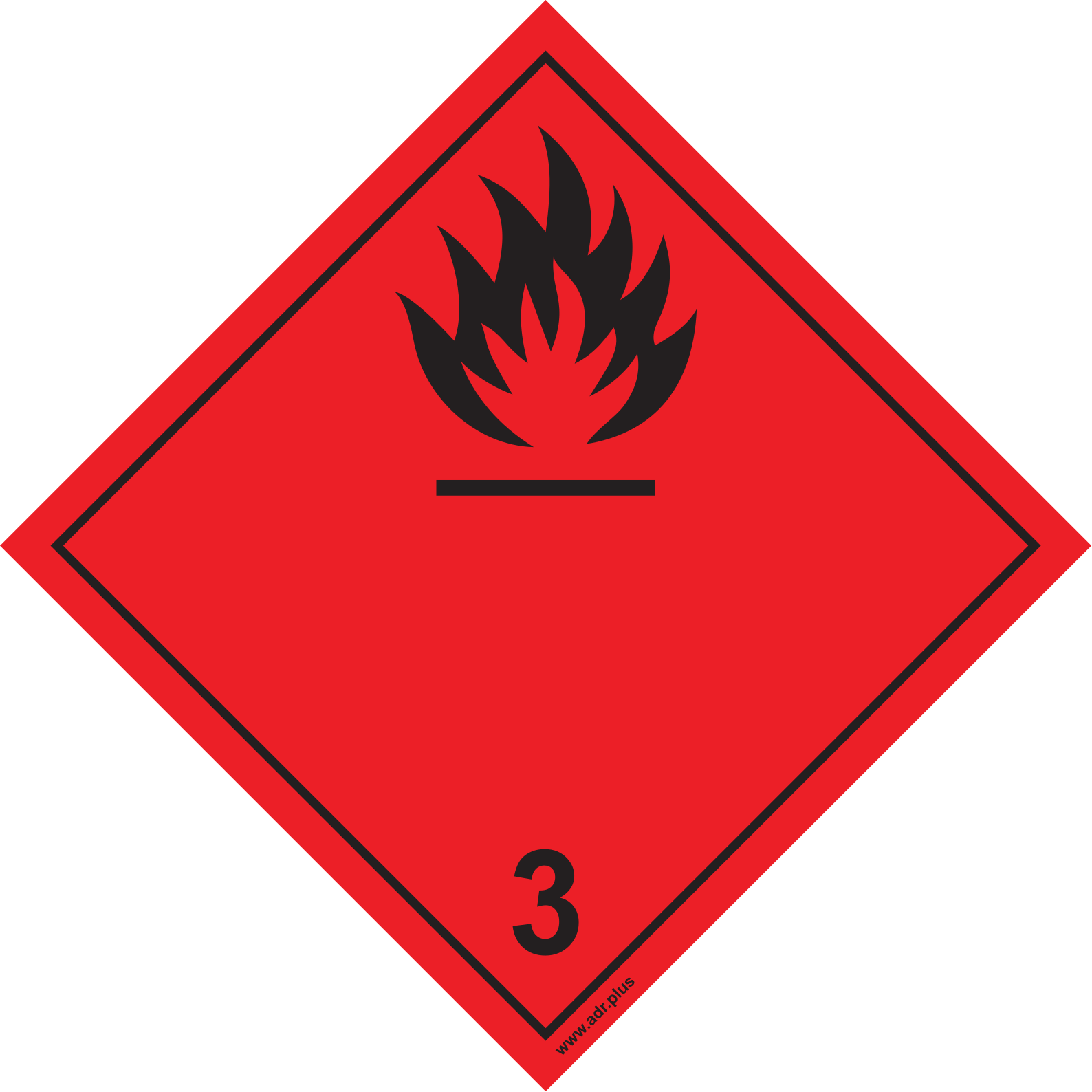
Shape and size (5.2.2.2.1.1). Square set on point (diamond), at least 100 × 100 mm, with a line inside the edge running parallel and approximately 5 mm from it. If the size of the package so requires, the dimensions may be reduced proportionally provided the symbols and the other elements stay clearly visible (5.2.2.2.1.1.3). Labels on gas cylinders are reduced to the dimensions of ISO 7225:2005 (5.2.2.2.1.2). The class number sits in the bottom corner, the pictogram fills the upper half, and background and pictogram colours are fixed for each model.
Model numbers follow the class system (5.2.2.2.2).
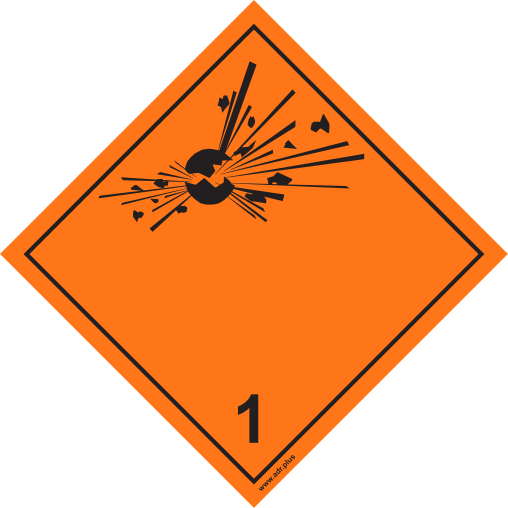
- 1 — divisions 1.1, 1.2 and 1.3 (exploding bomb, orange background). The lower half carries the division number and the compatibility group letter, both left blank when the explosive hazard is a subsidiary one. 1.4, 1.5, 1.6 — separate models for those divisions, with the division number in the upper half and the class number and compatibility group letter in the lower half (5.2.2.2.1.4)
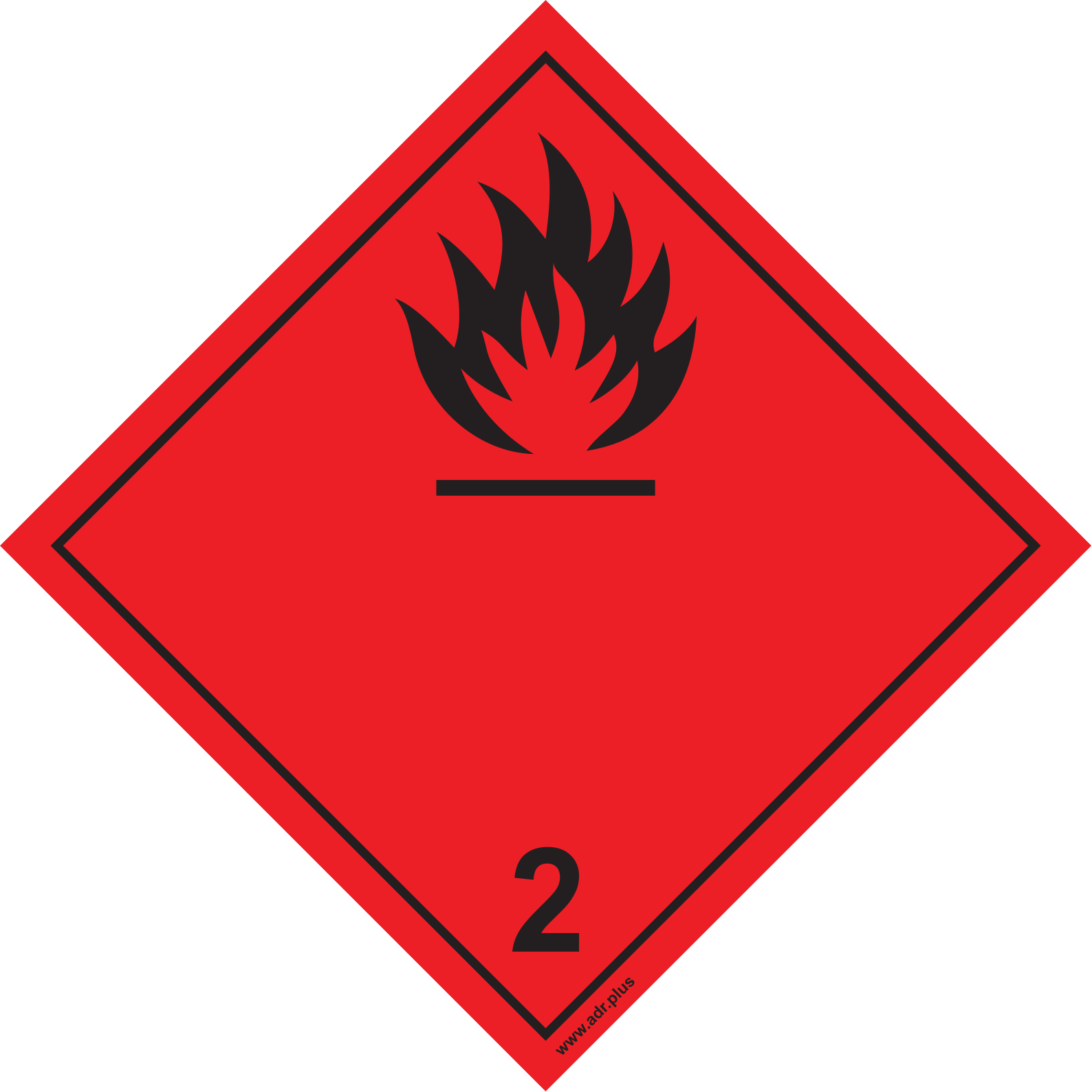
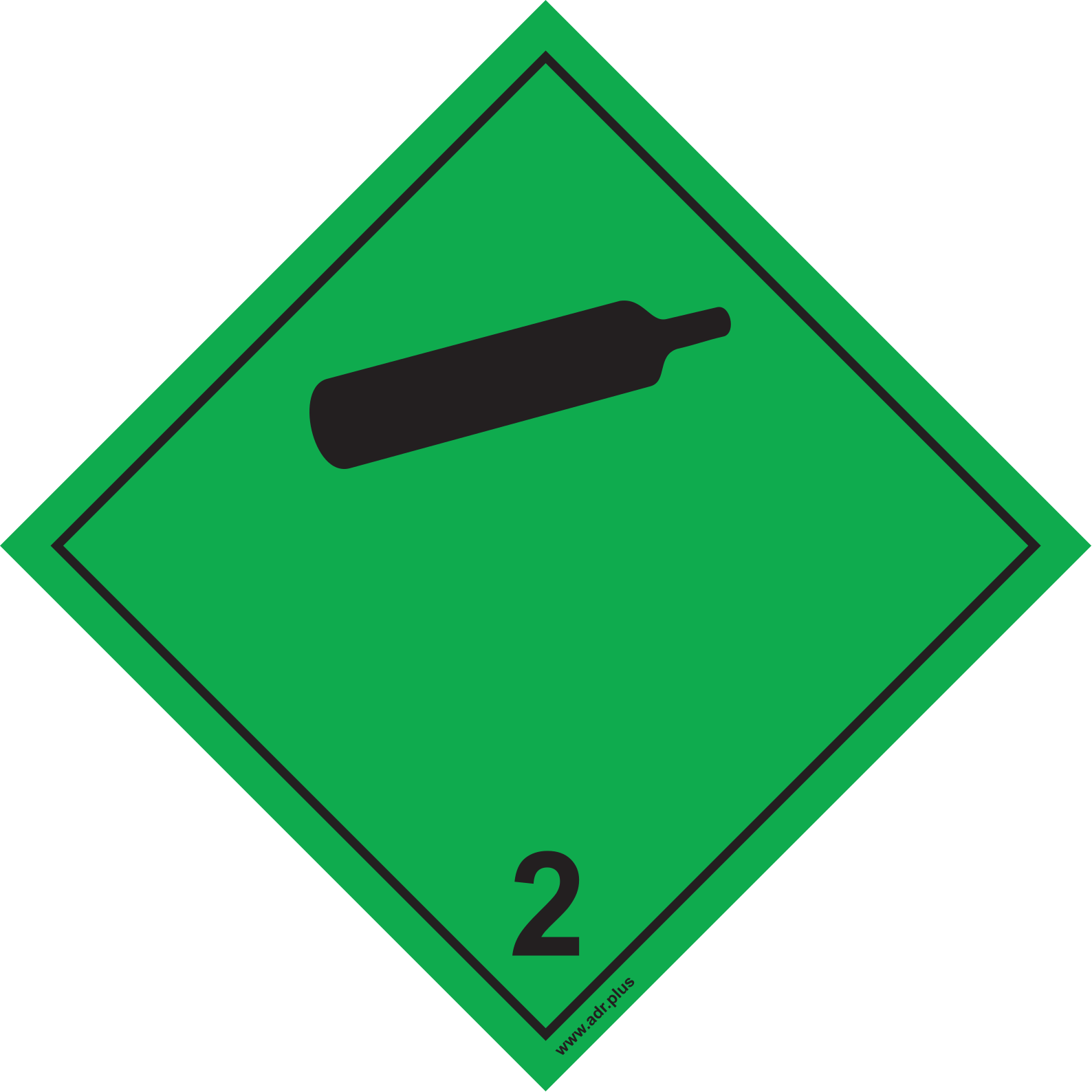
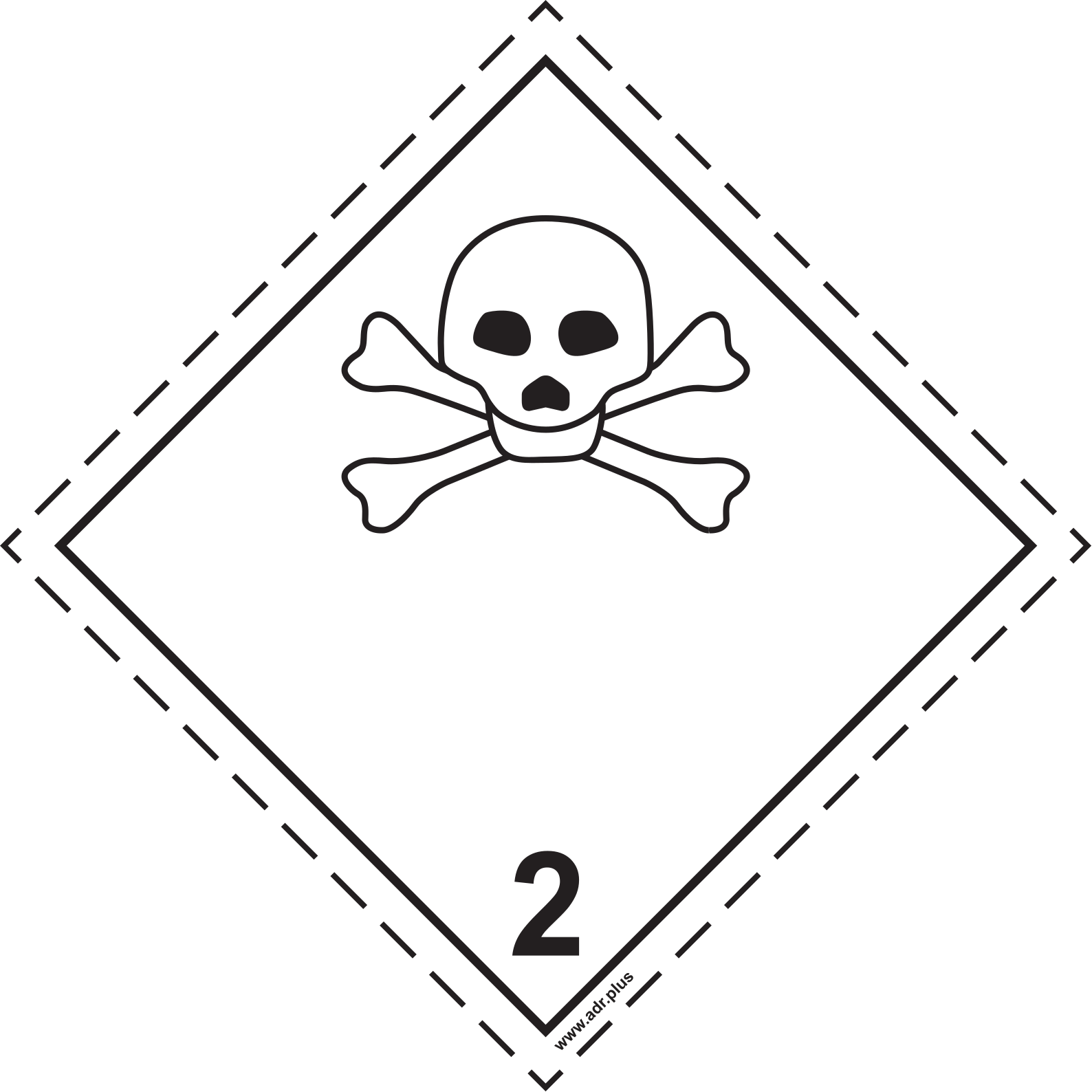
- 2.1 flammable gas (red), 2.2 non-flammable non-toxic gas (green), 2.3 toxic gas (white)
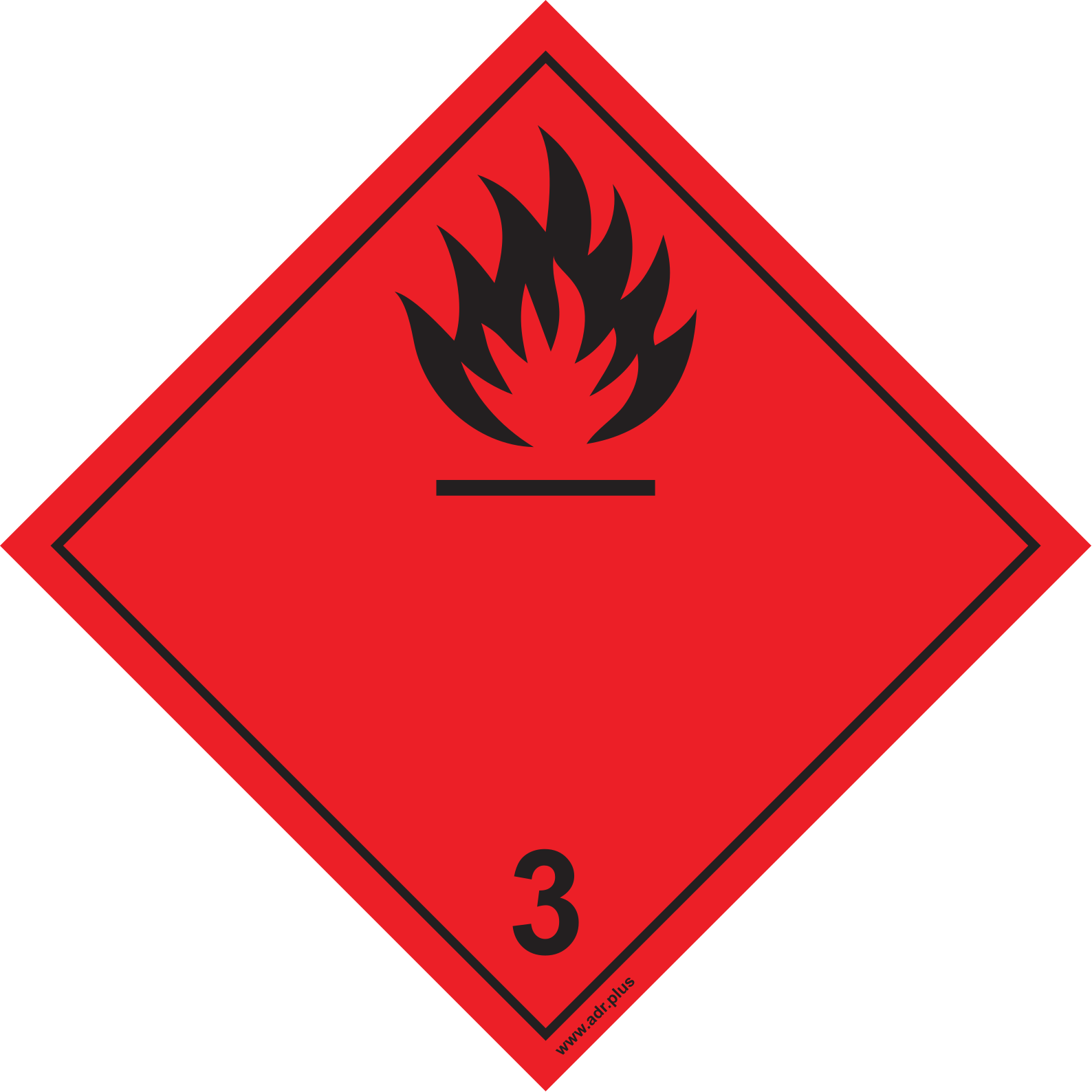
- 3 — flammable liquid (red, flame)
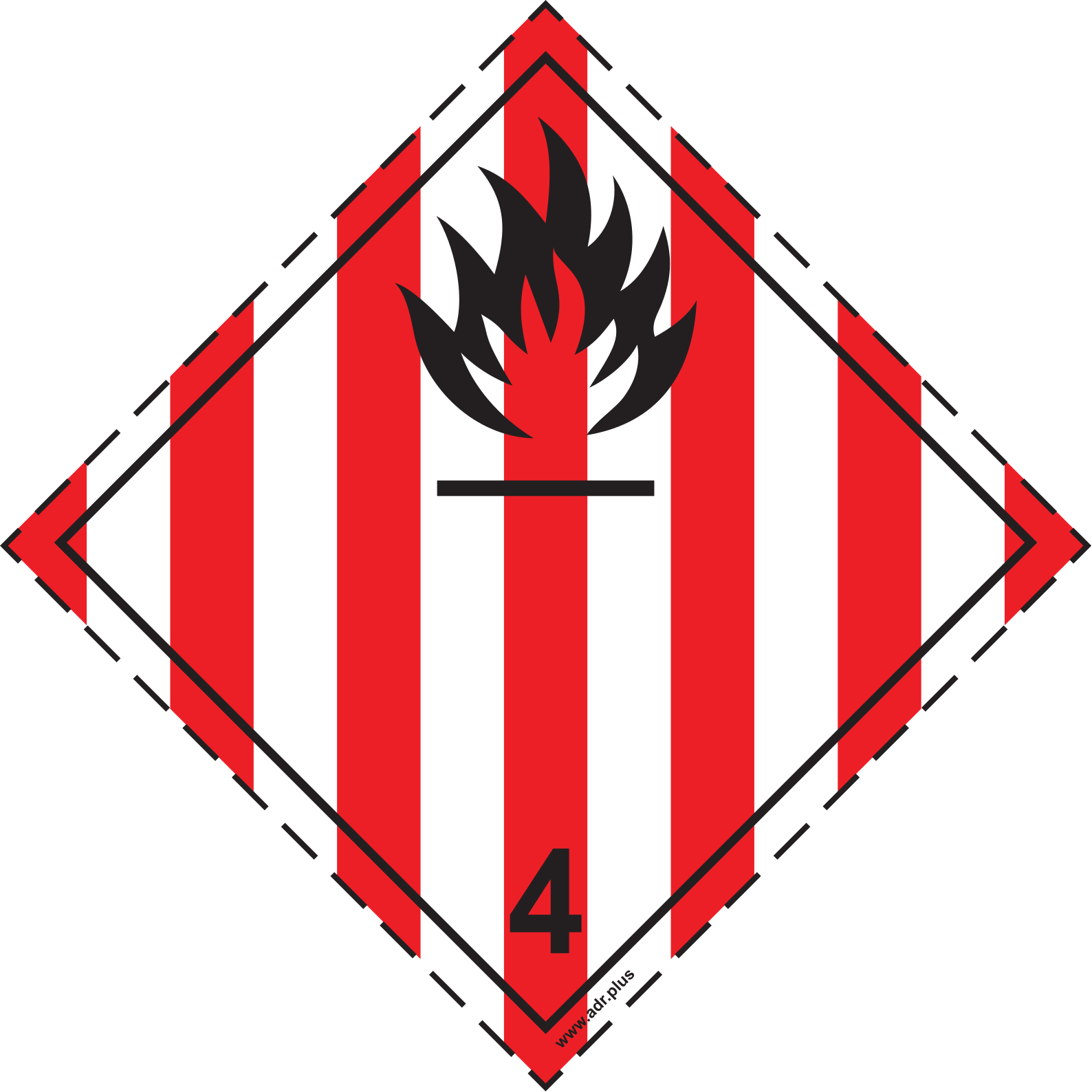
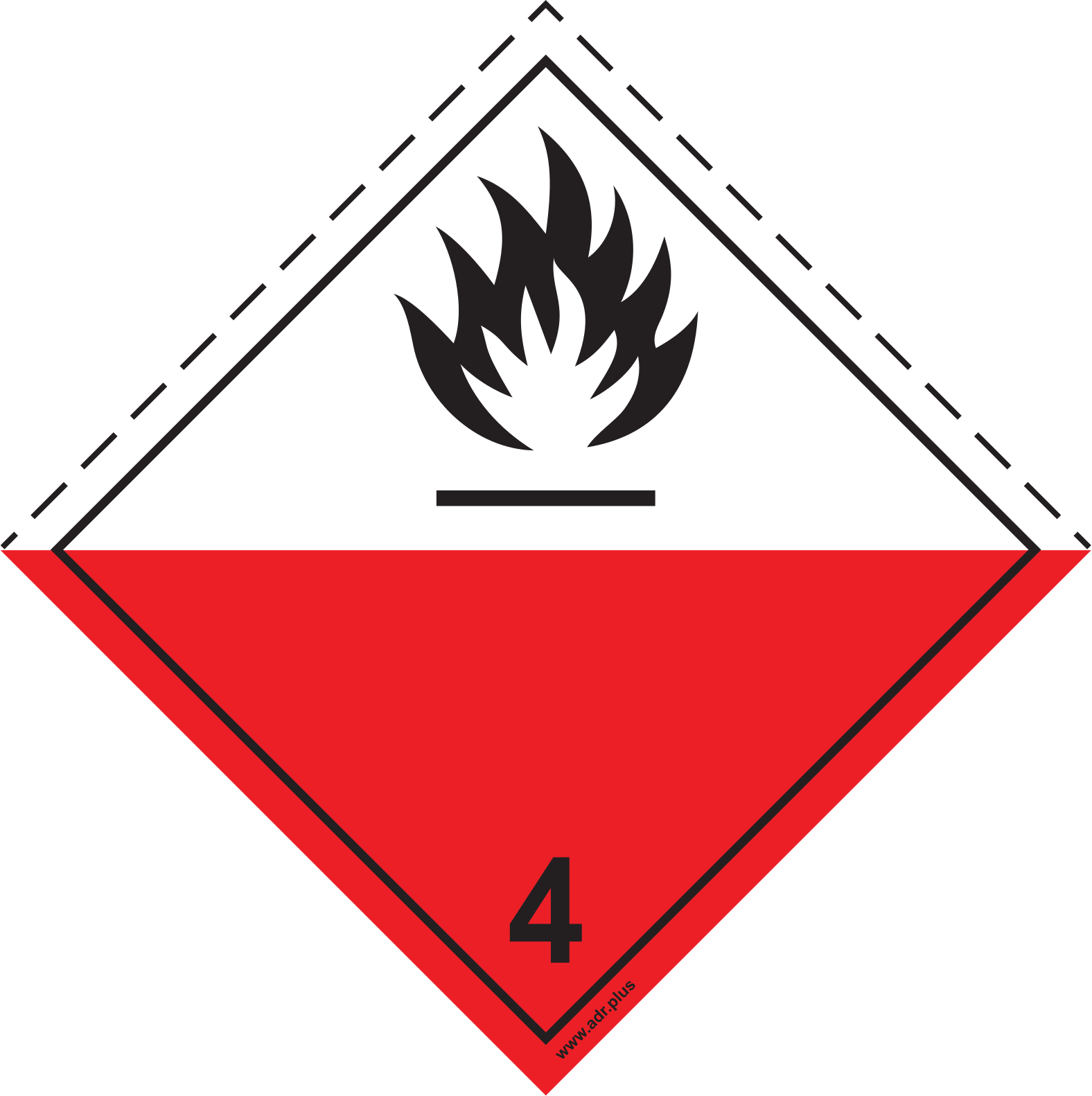
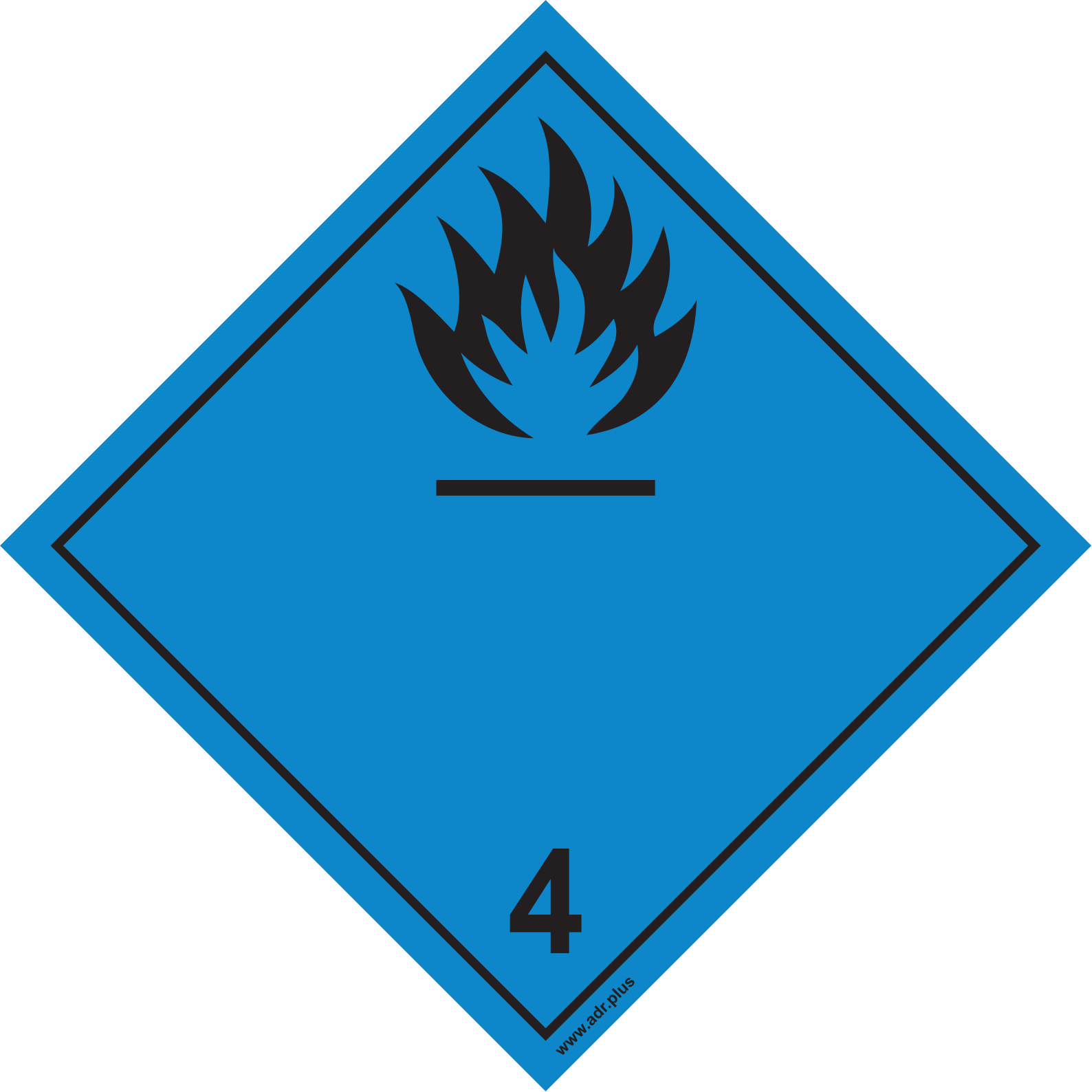
- 4.1 flammable solid (white with seven vertical red stripes), 4.2 spontaneously combustible (upper half white, lower half red), 4.3 dangerous when wet (blue, flame)
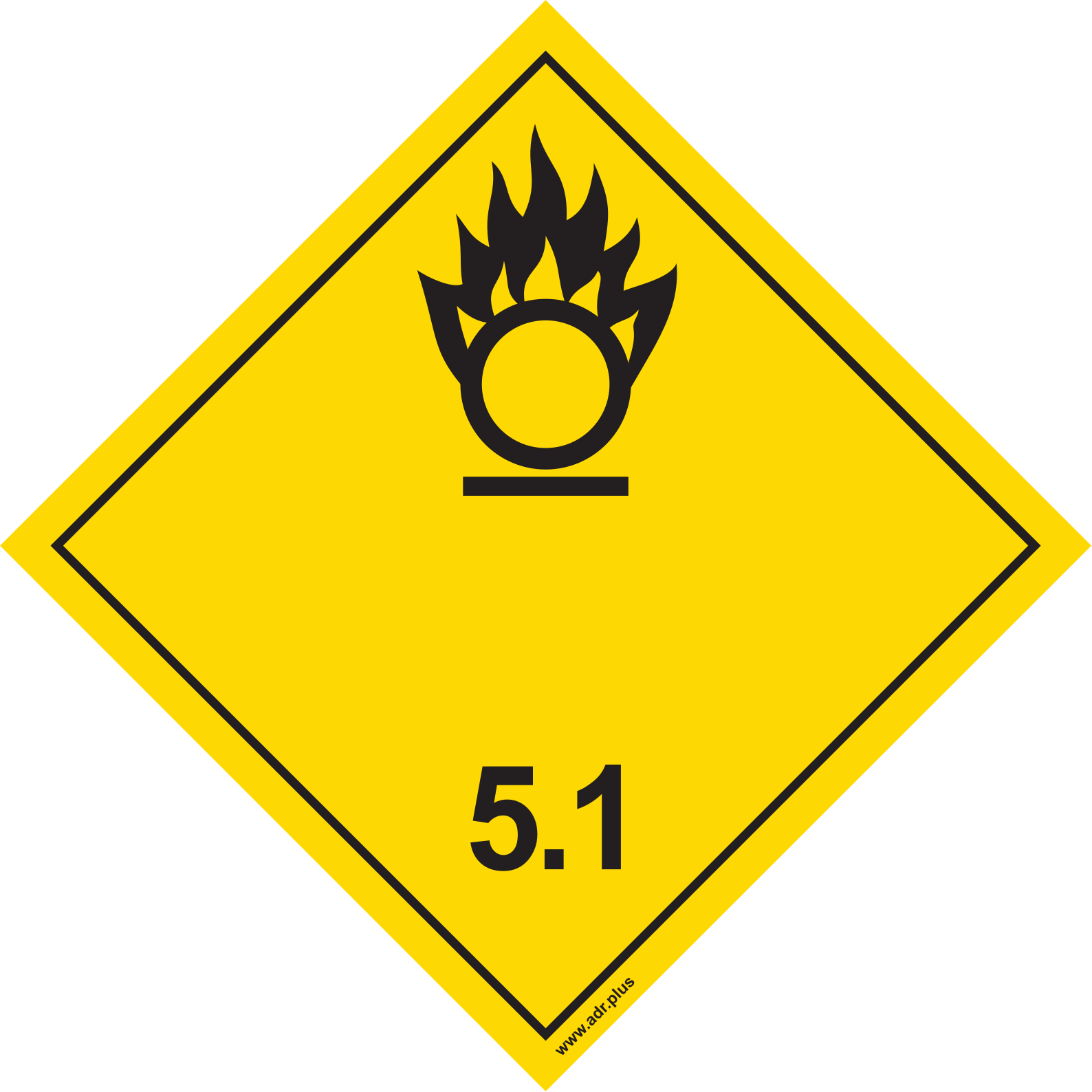
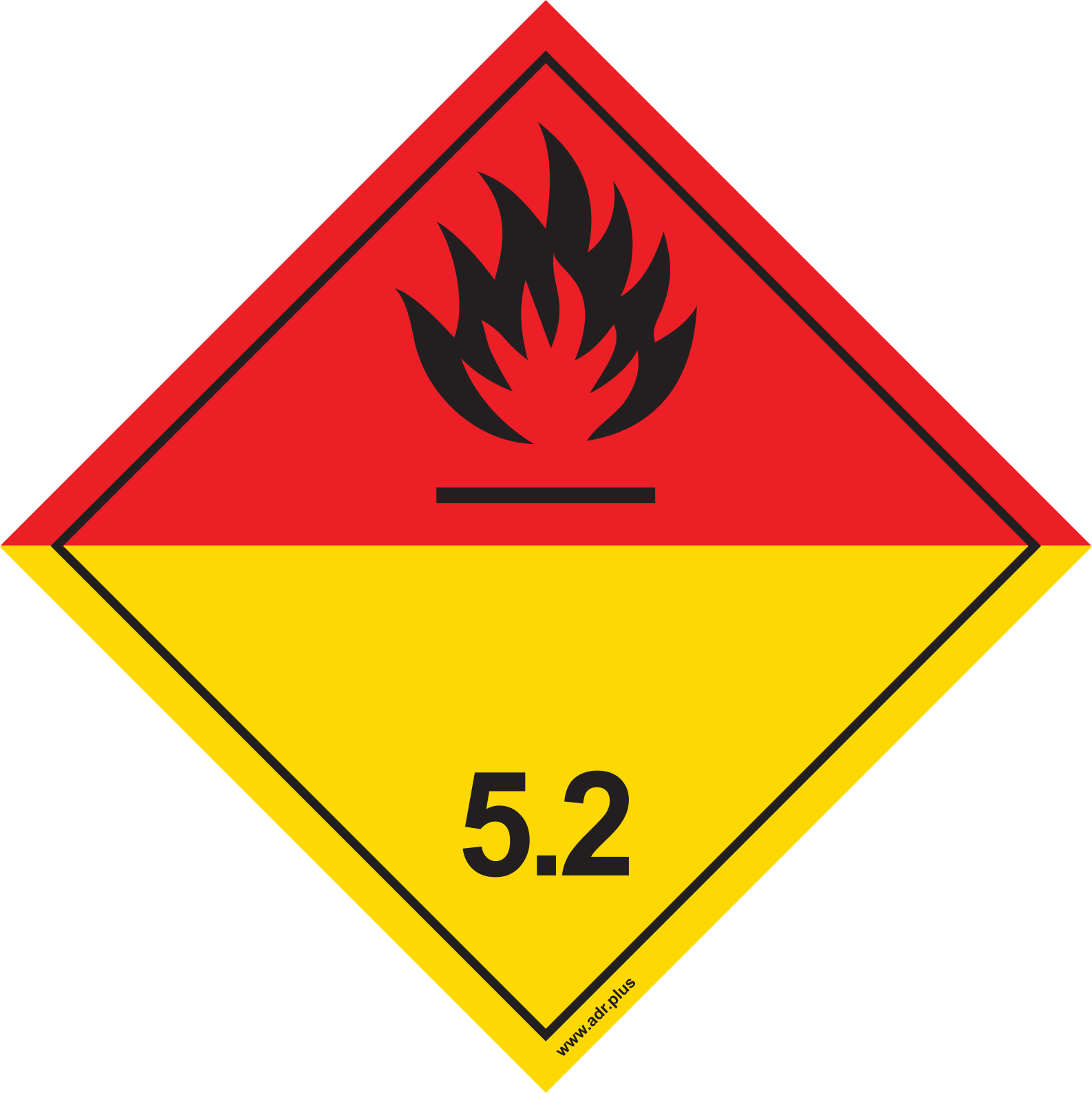
- 5.1 oxidizer (yellow, flame over circle), 5.2 organic peroxide (upper half red, lower half yellow)
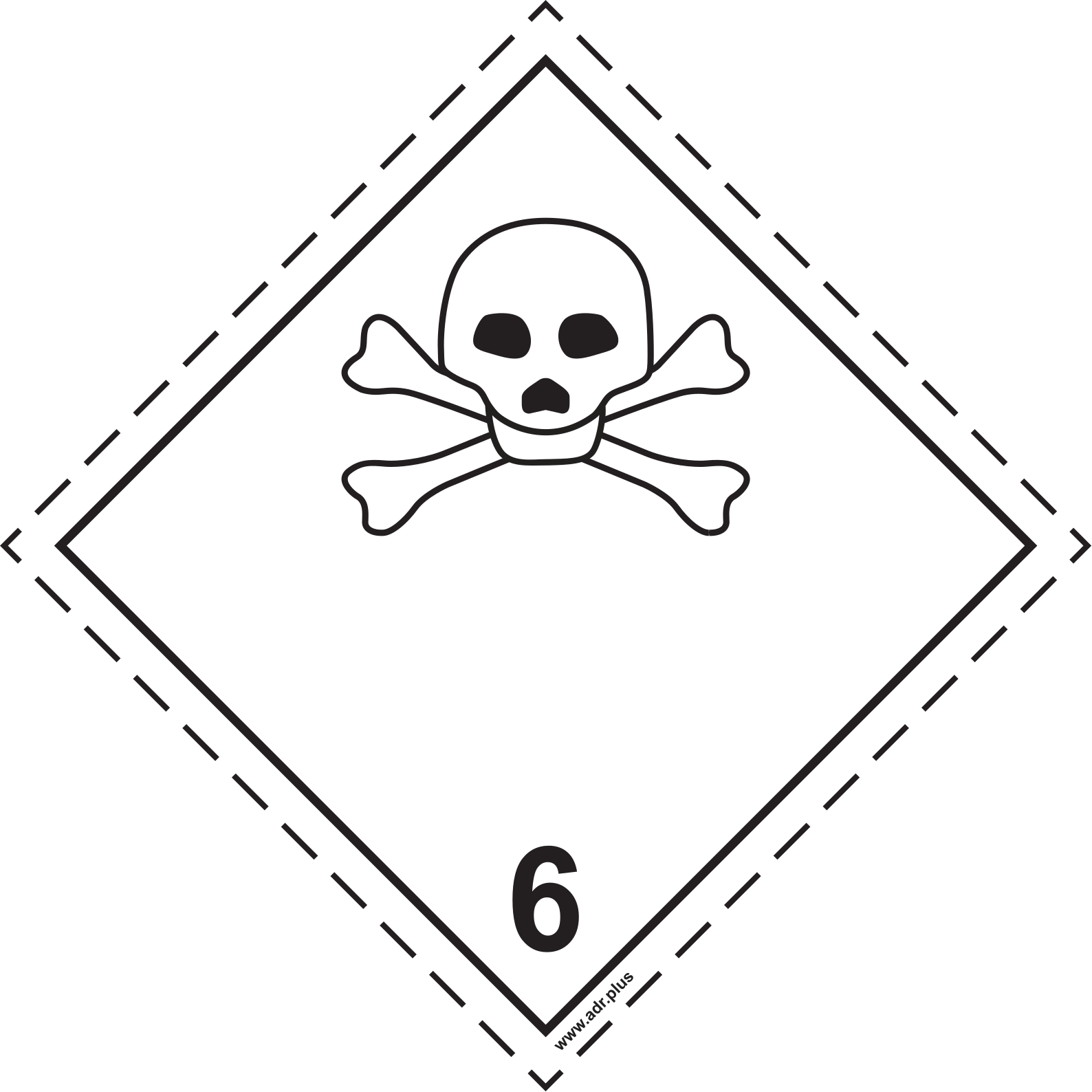
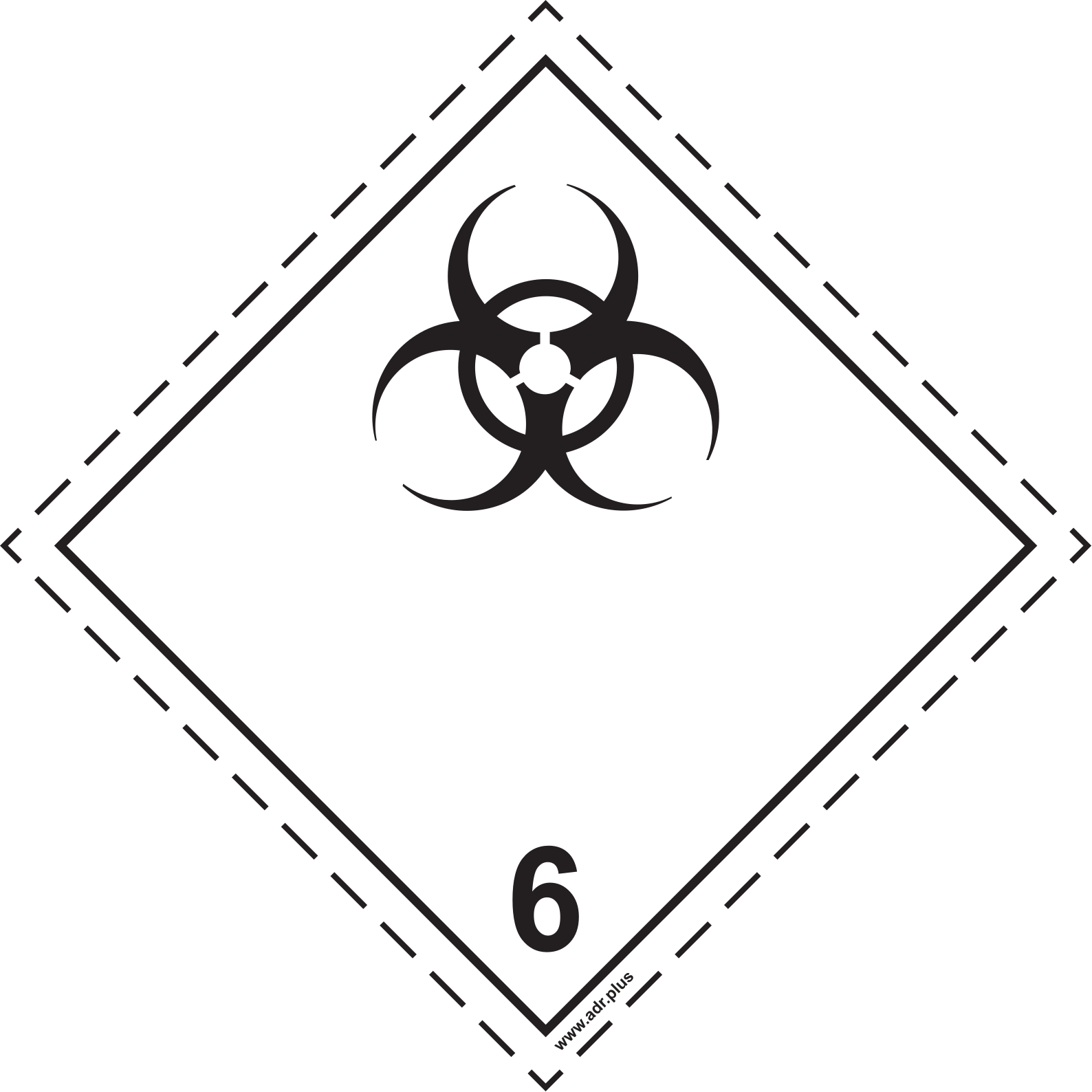
- 6.1 toxic (white, skull and crossbones), 6.2 infectious substance (white, three crescents)
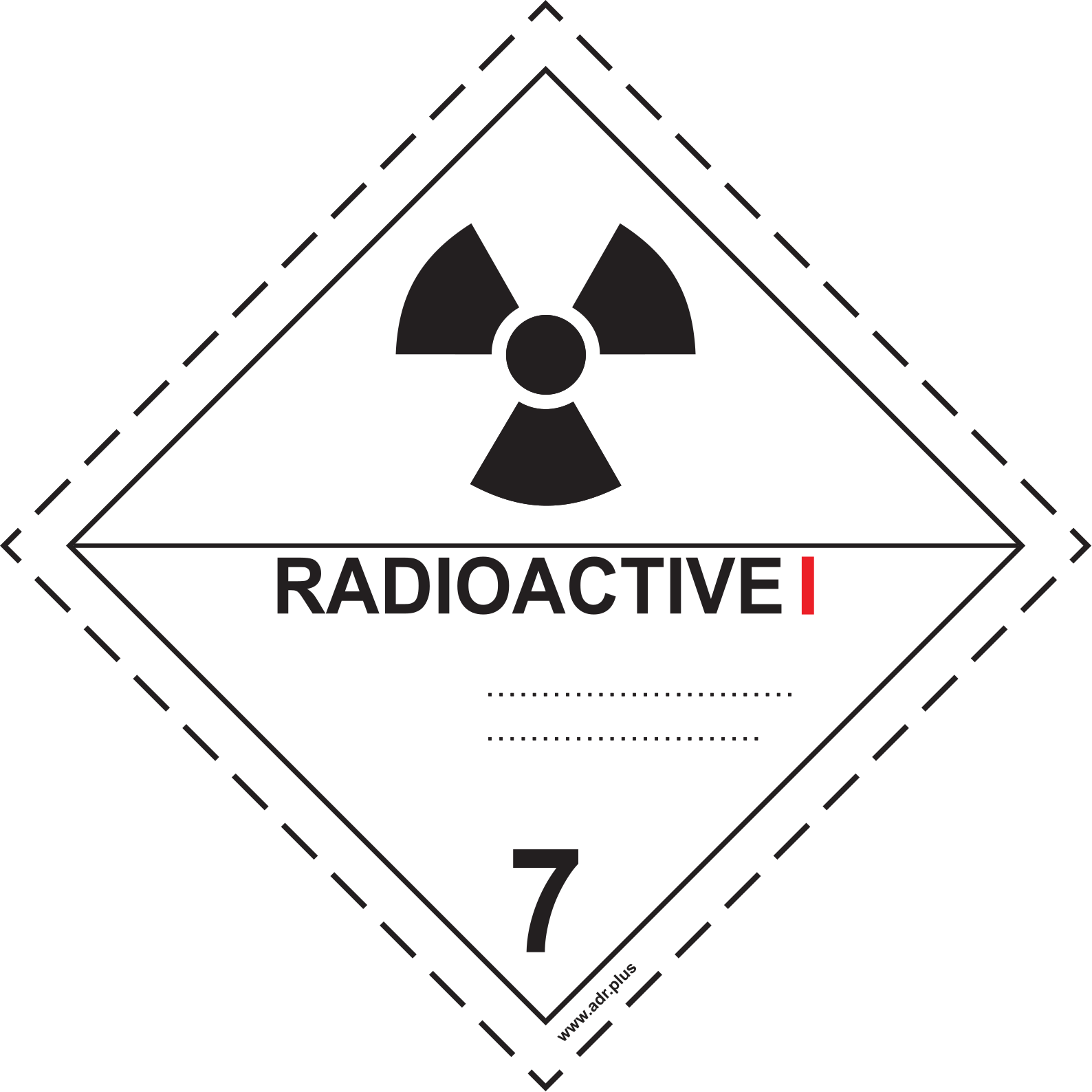
- 7A radioactive Category I-WHITE, 7B Category II-YELLOW, 7C Category III-YELLOW, 7E fissile material
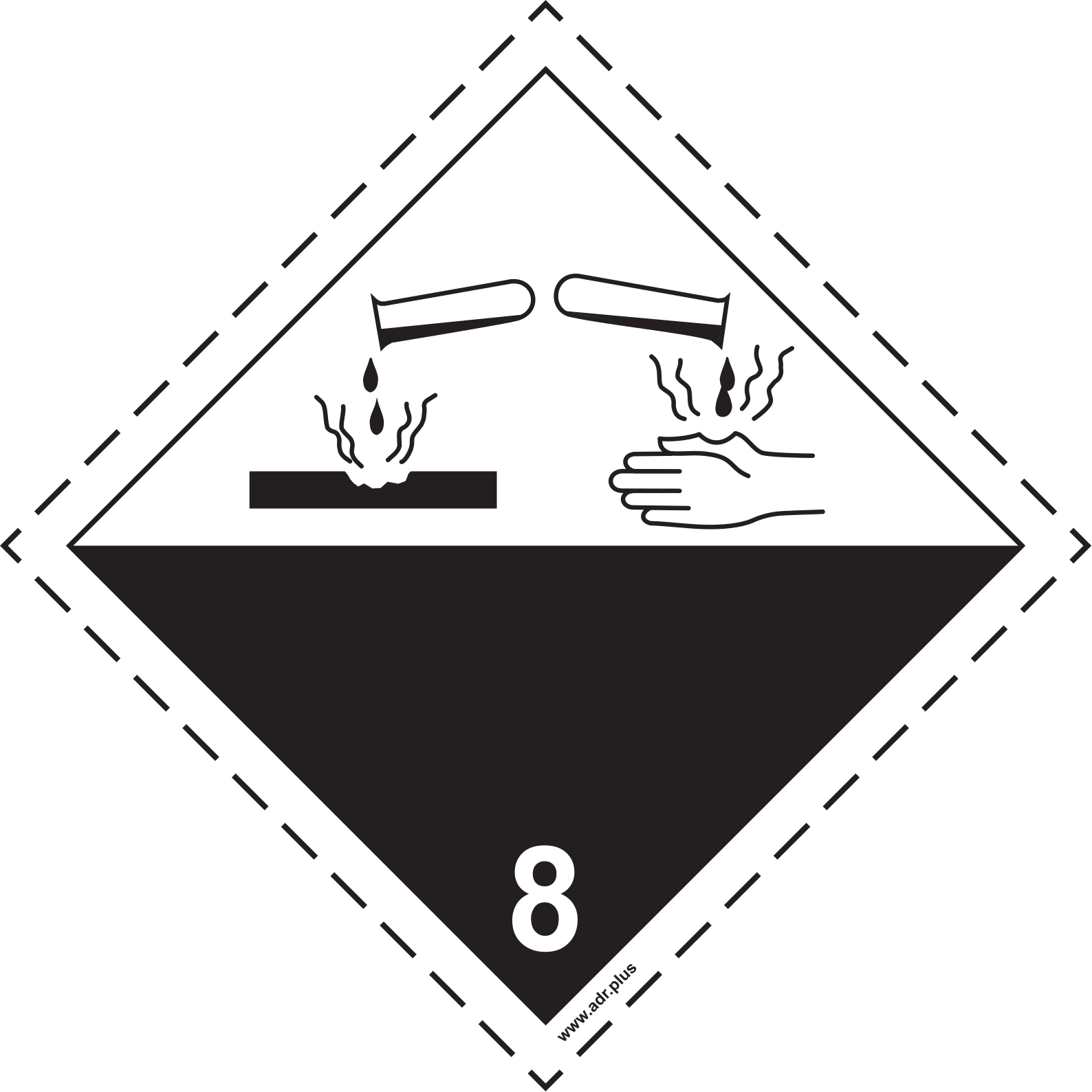
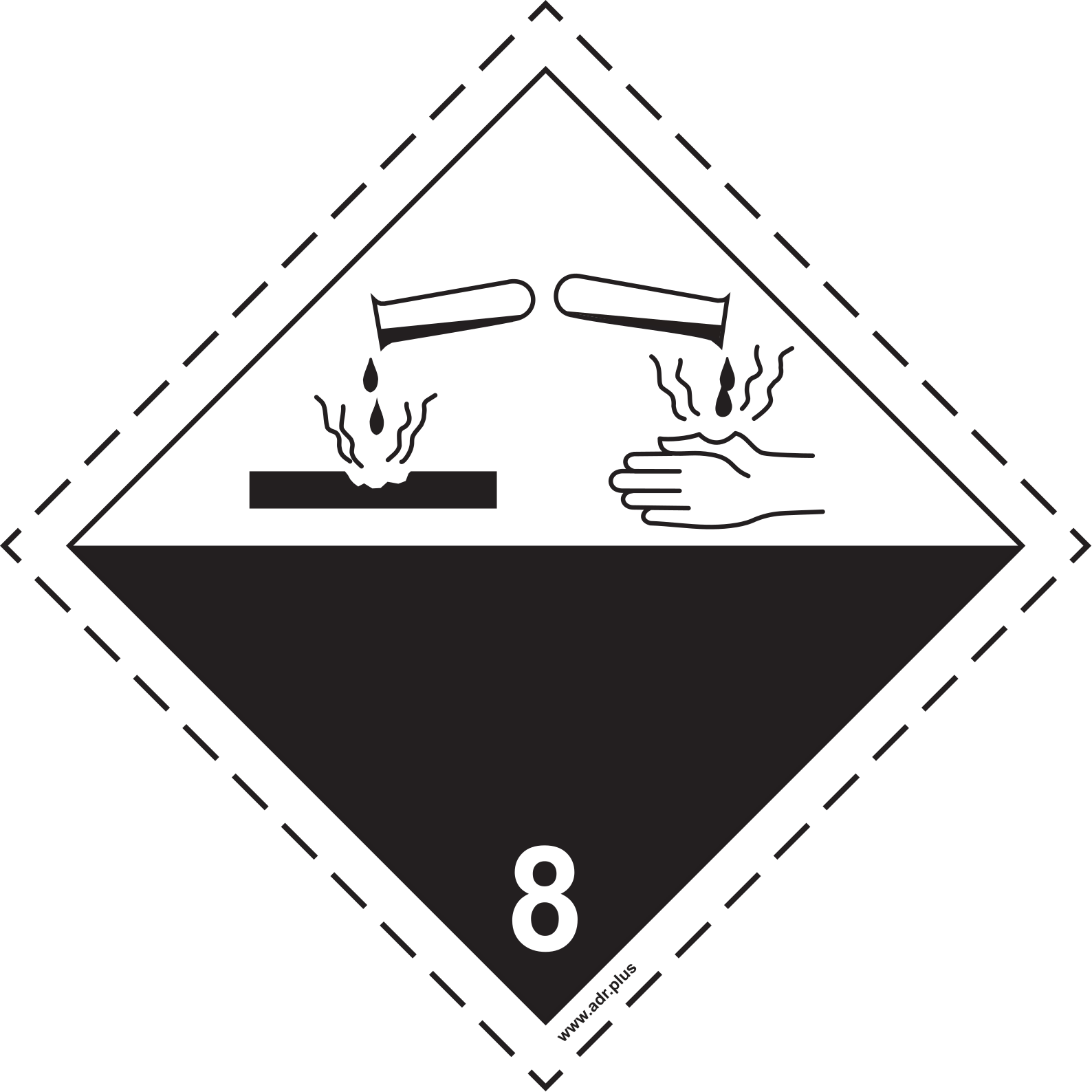
- 8 — corrosive (upper half white, lower half black, liquid pouring from test tubes)
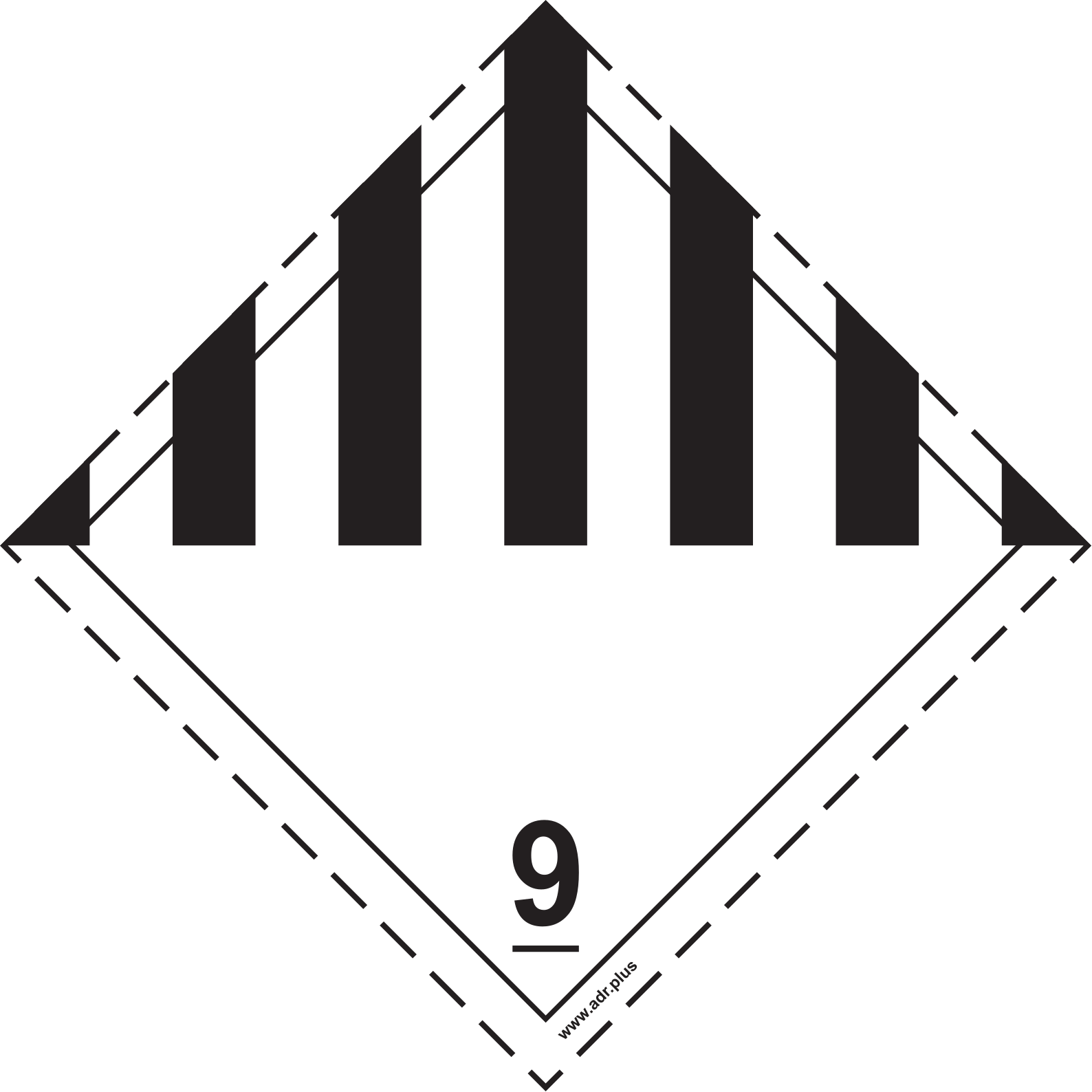
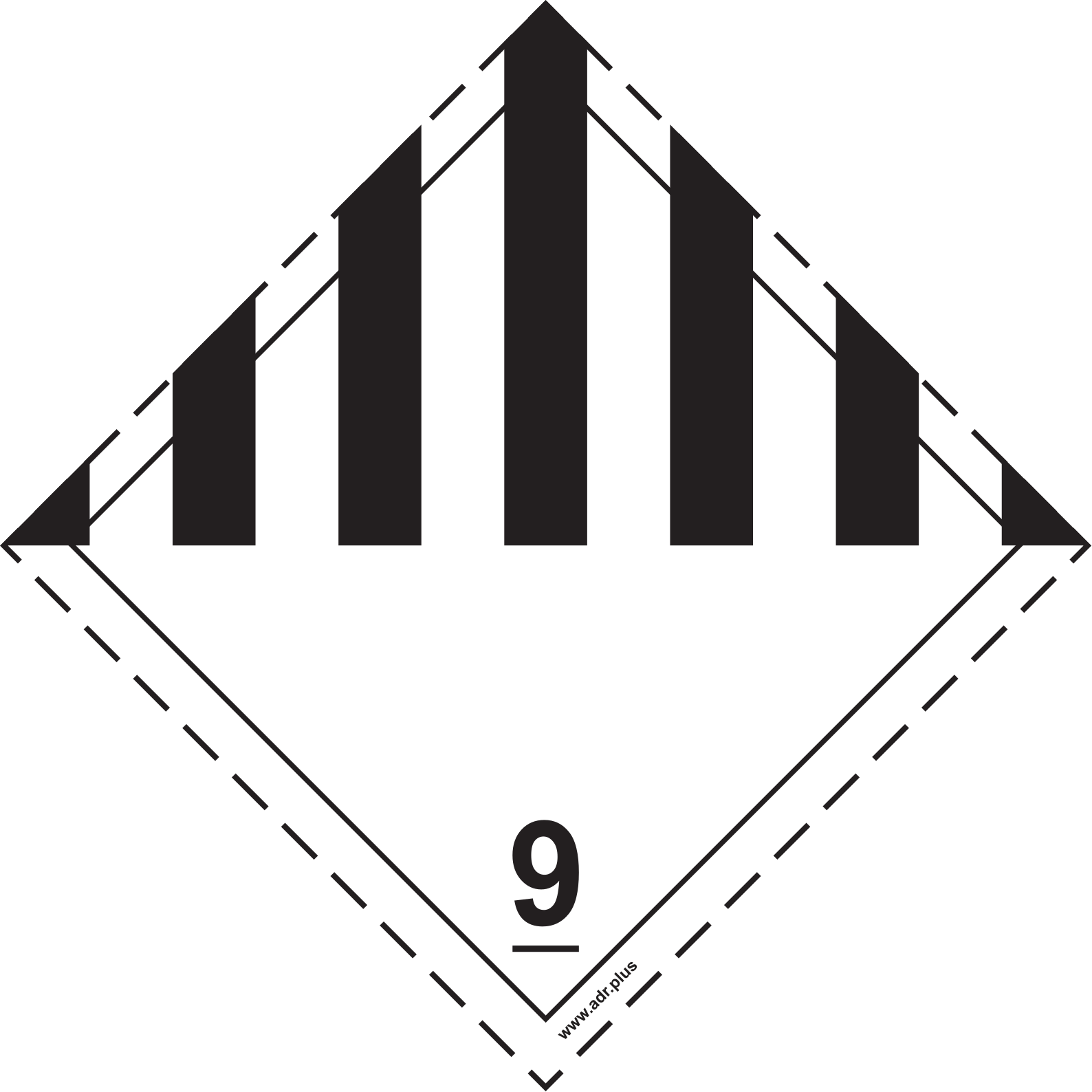
- 9 — miscellaneous dangerous goods (seven vertical stripes in upper half)
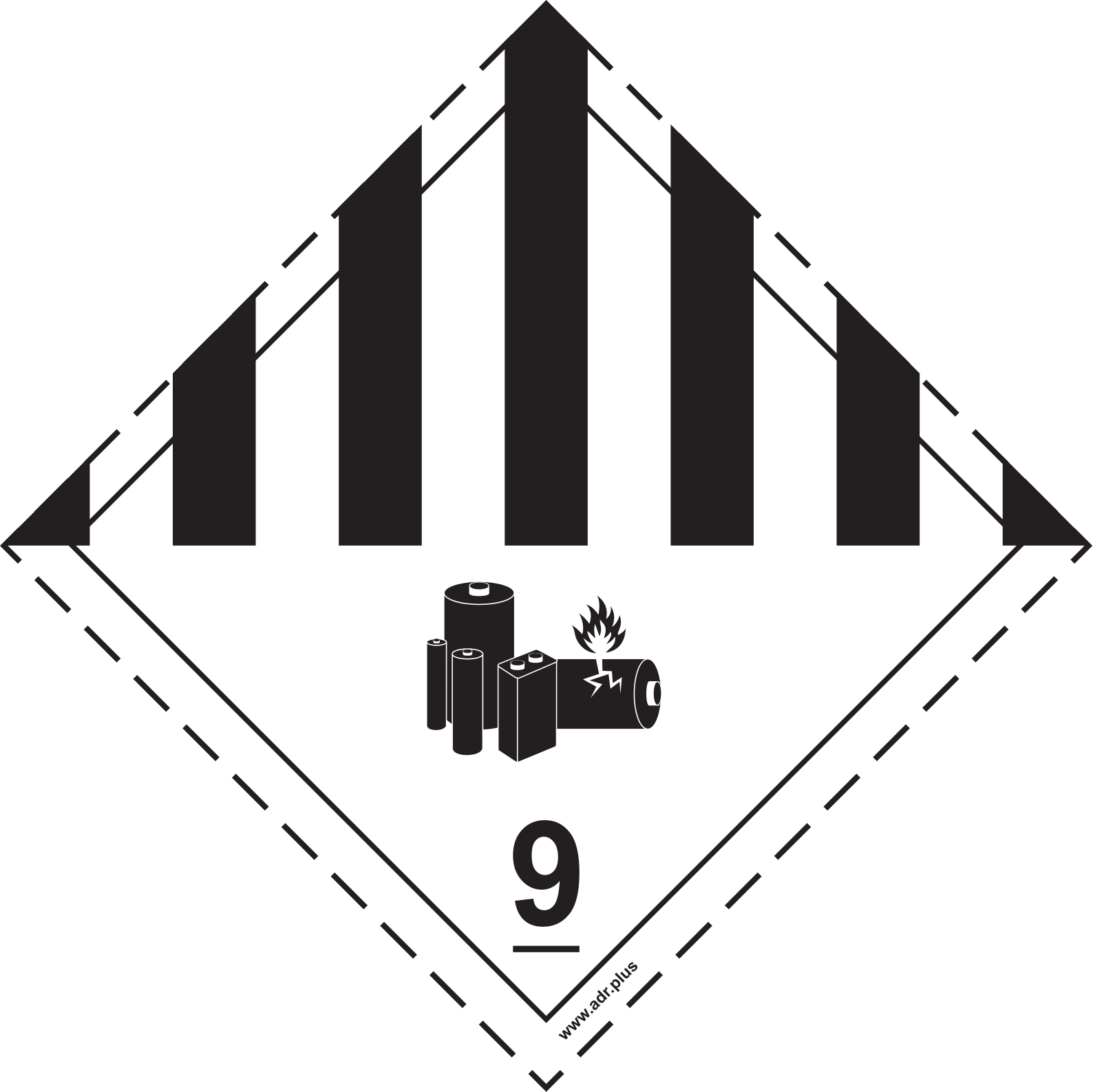
- 9A — battery label (Model 9 stripes in the upper half, group of batteries and the class number in the lower half) — the Column (5) label for UN 3090/3091/3480/3481 and UN 3551/3552
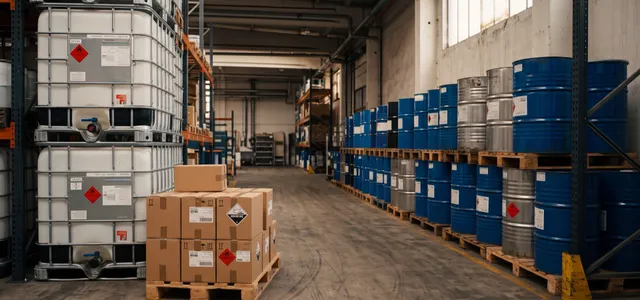
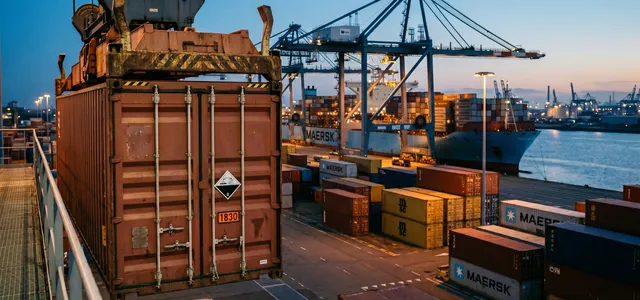
Placement (5.2.2.1). The labels shown in Column (5) of Table A go on the package. Where the dimensions allow they are affixed to the same surface, and on packages of Class 1 and Class 7 near the mark showing the proper shipping name. No part or attachment of the packaging and no other label or mark may cover or obscure them, and where more than one label is required they are displayed next to each other (5.2.2.1.6). IBCs of more than 450 litres capacity and large packagings are labelled on two opposite sides (5.2.2.1.7). A package carrying primary and subsidiary risks shows a label for each — subsidiary labels carry the class number in the bottom corner exactly as the primary one does. Only the division number and the compatibility group letter of a subsidiary Class 1 hazard are left blank (5.2.2.2.1.3, 5.2.2.2.2).
Common mistake — labelling a parcel with Model 3 only when the substance has a subsidiary risk of 6.1, e.g. UN 1992, FLAMMABLE LIQUID, TOXIC, N.O.S.. Both labels are mandatory. Roadside inspectors catch this on sight, and missing subsidiary labels trigger a non-conformity fine and may hold the consignment.
References — ADR 2025 5.2.2.1 (placement on packages), 5.2.2.1.7 (IBCs and large packagings), 5.2.2.2 (construction of the models), 5.2.2.2.1.3 (class number in the lower half), 5.2.2.2.2 (model list).