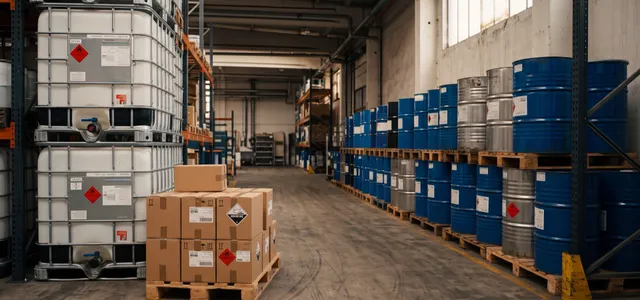
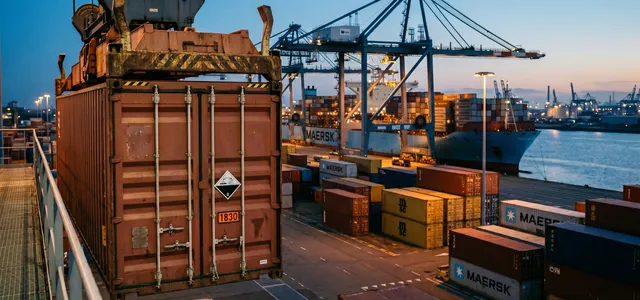


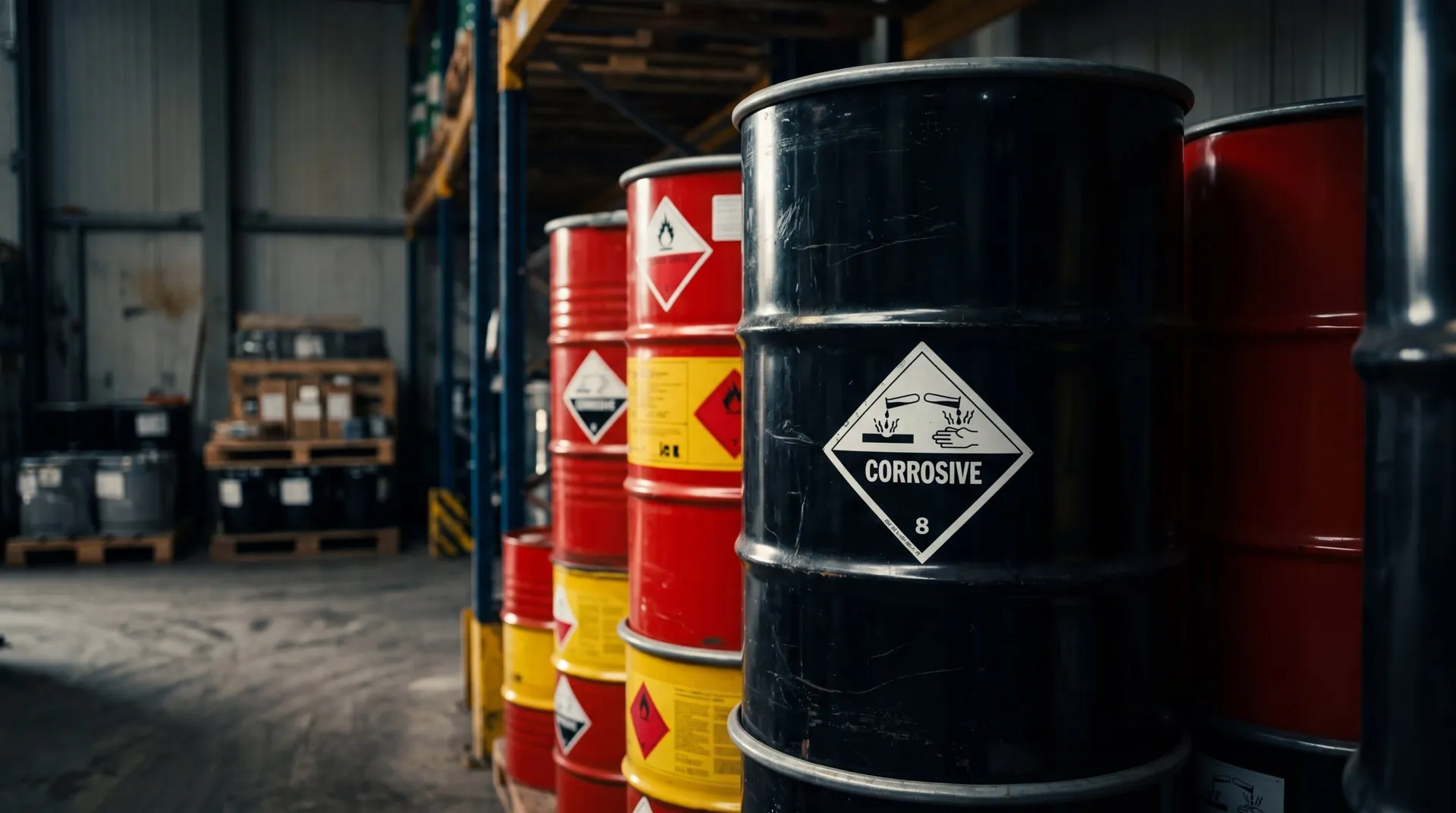
A diamond with a flame on a drum, a black skull on a jerrican, a green cylinder on a box — everyone has seen hazard labels. What they mean for the company that ships or receives such goods is usually only vaguely understood. Here are the nine ADR classes the way a DGSA reads them — by kind of hazard, by typical substances, and by what the class changes in day-to-day work.
Why classes exist
The class answers the question “what makes this dangerous”. The label on the package and the placard on the vehicle, the permitted packaging, the mixed loading prohibitions, the training and equipment requirements all follow from it. The class does not depend on quantity — a litre and a tanker of petrol belong to the same class 3, only the applicable exemptions differ.
Within a class the degree of danger is shown by the packing group — I high, II medium, III low. Explosives, gases, organic peroxides, infectious substances, radioactive material and the self-reactive substances of class 4.1 have no packing groups and use systems of their own, and articles are never assigned one.
The classes and their labels
| Label | Class | What it is |
|---|---|---|
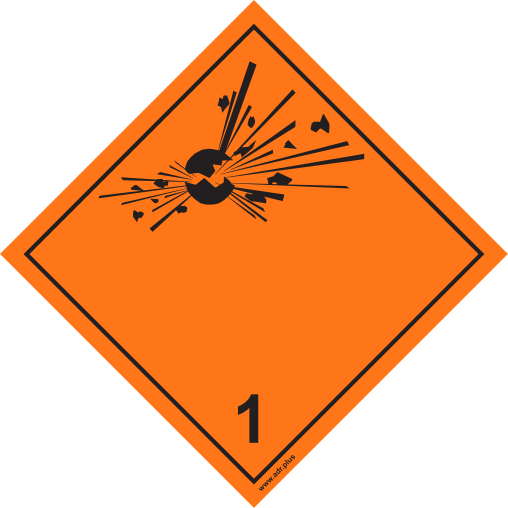 |
1. Explosive substances and articles | Industrial explosives, fireworks, cartridges, airbag initiators. Six divisions by type of explosion and compatibility groups. The most regulated class — vehicle approval, route restrictions, supervision. |
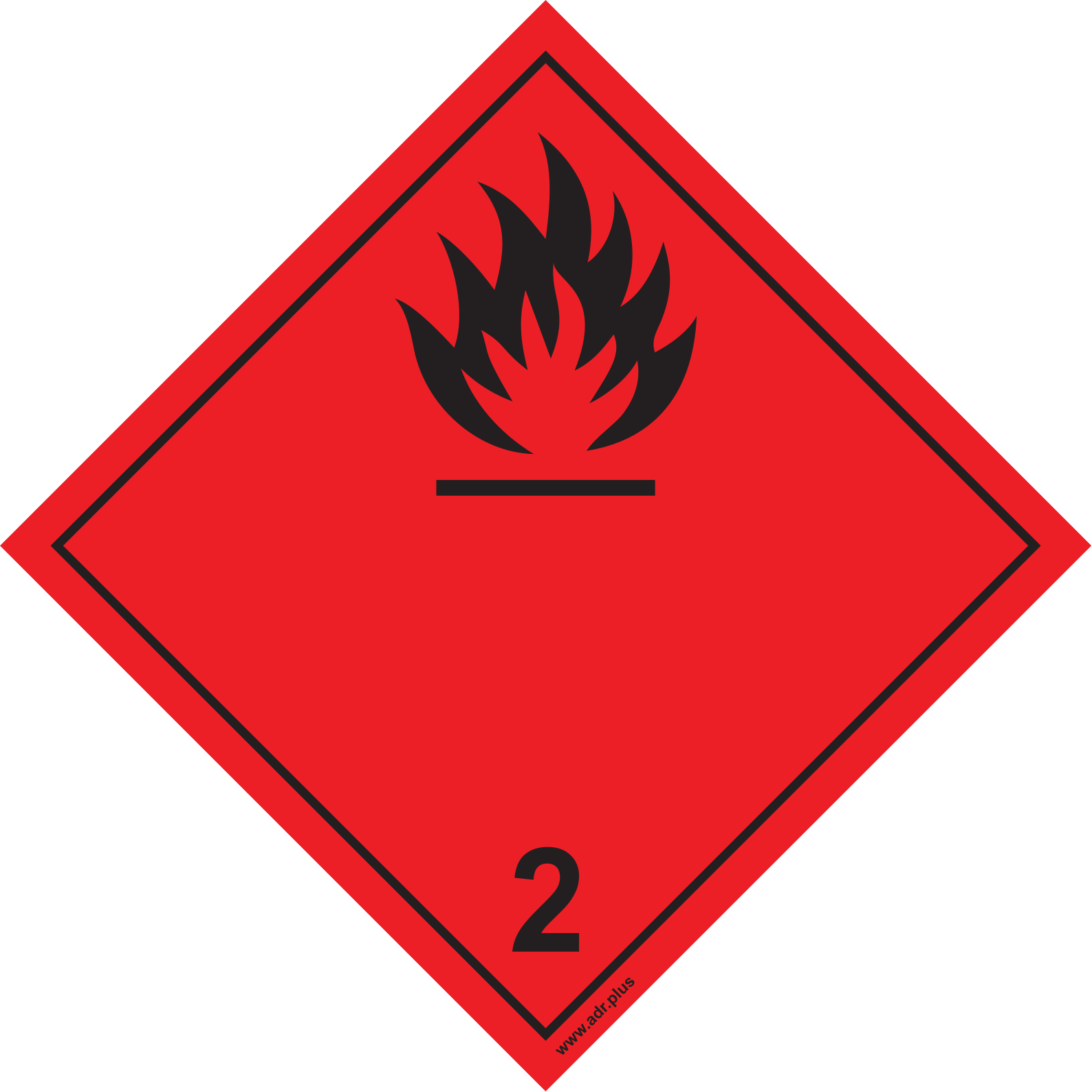 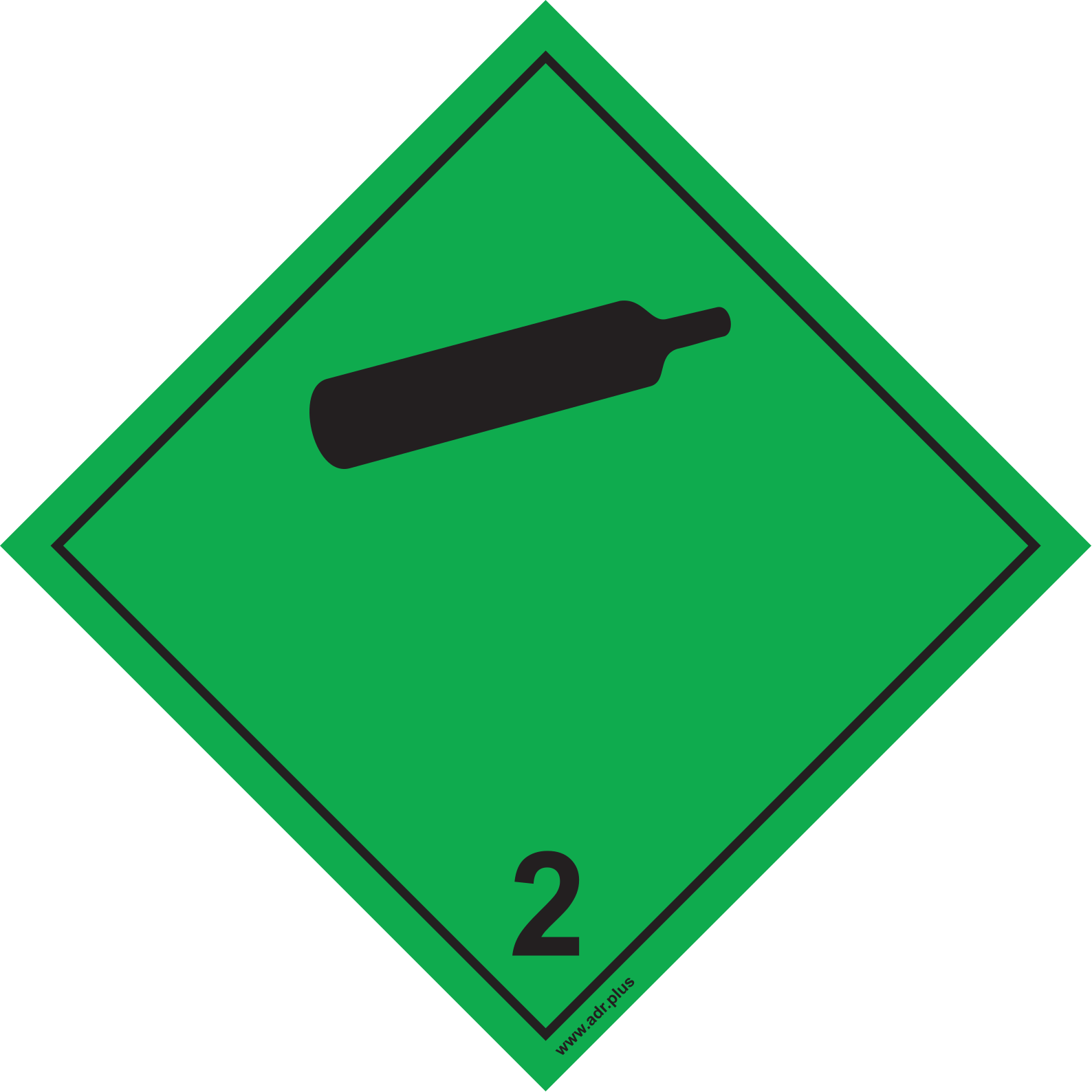 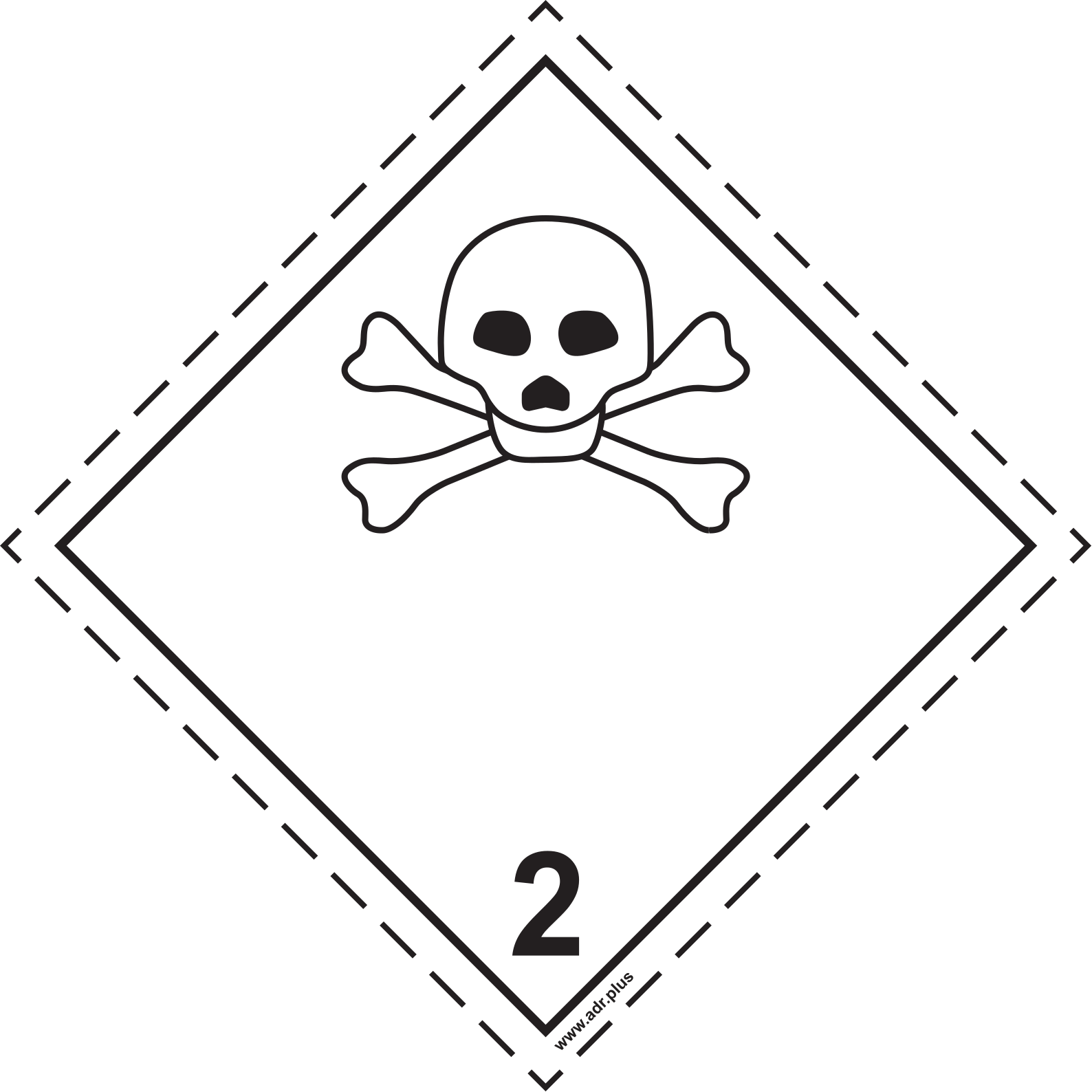 |
2. Gases | Propane, acetylene, oxygen, nitrogen, refrigerants, aerosols, fire extinguishers. Three labels by property — 2.1 flammable, 2.2 non-flammable non-toxic, 2.3 toxic. The danger lies in pressure and in gas displacing air. |
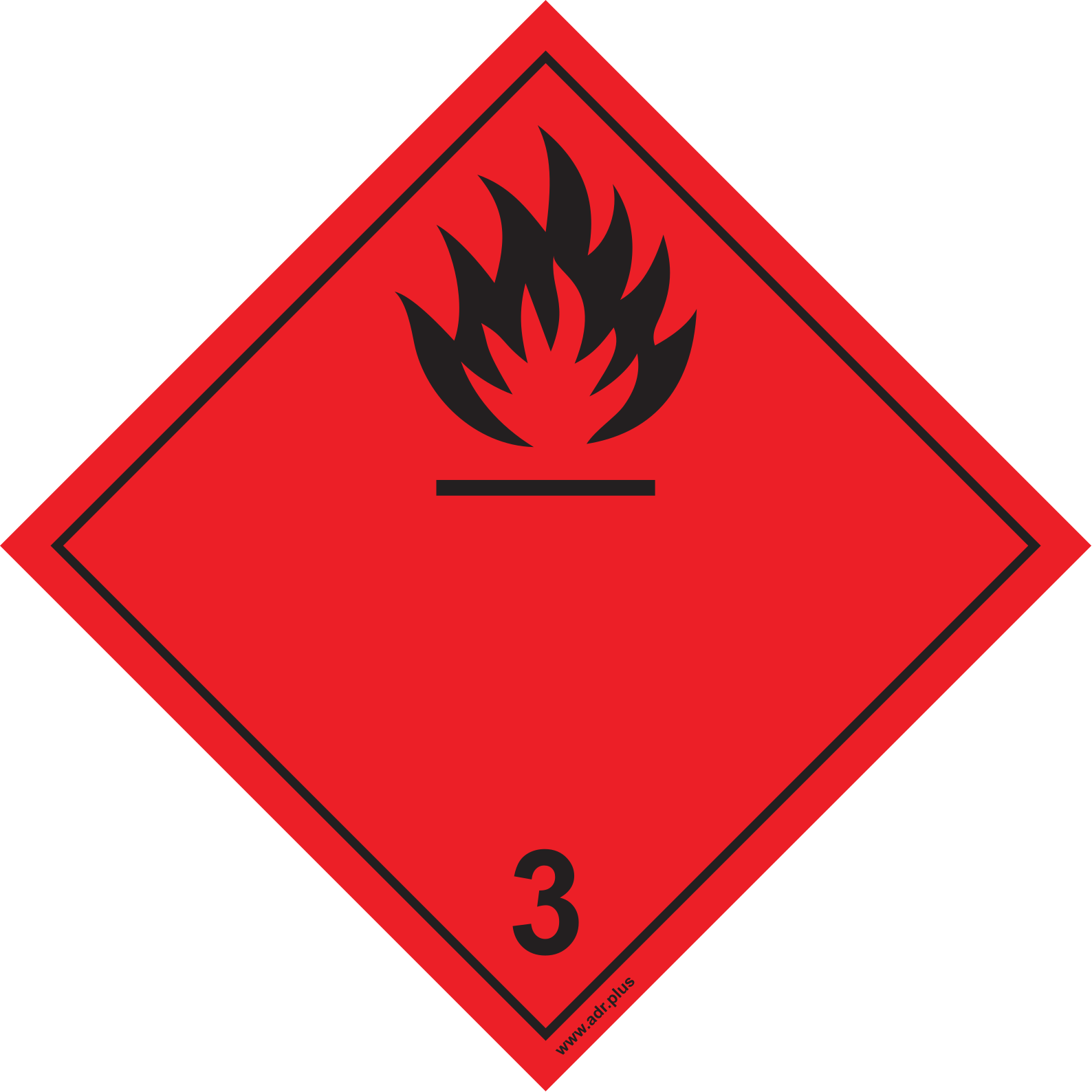 |
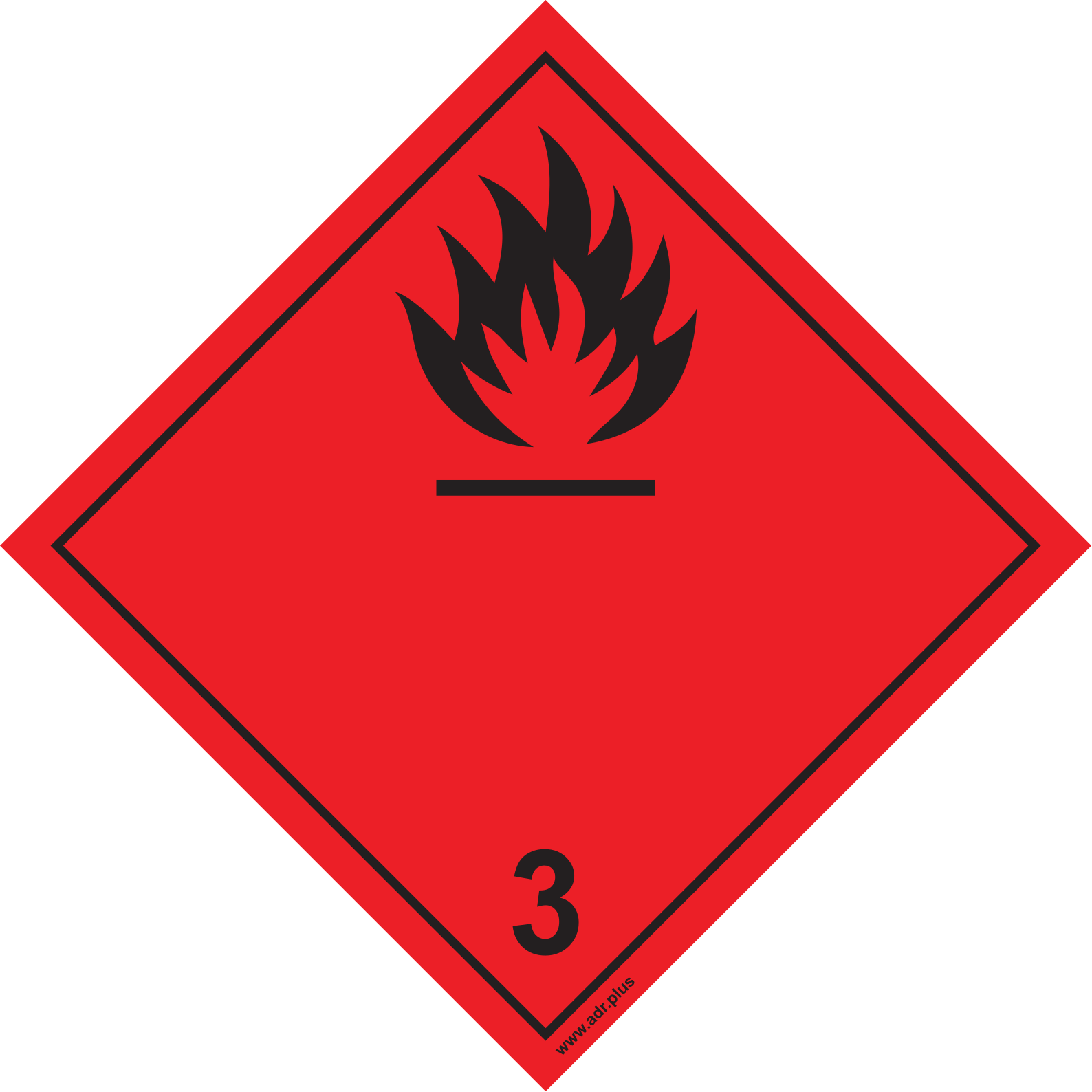
3. Flammable liquids | Petrol, diesel, solvents, solvent-based paints, alcohol, adhesives, perfume. The most common class in everyday carriage. The packing group depends on the closed-cup flash point and the initial boiling point. |
 |
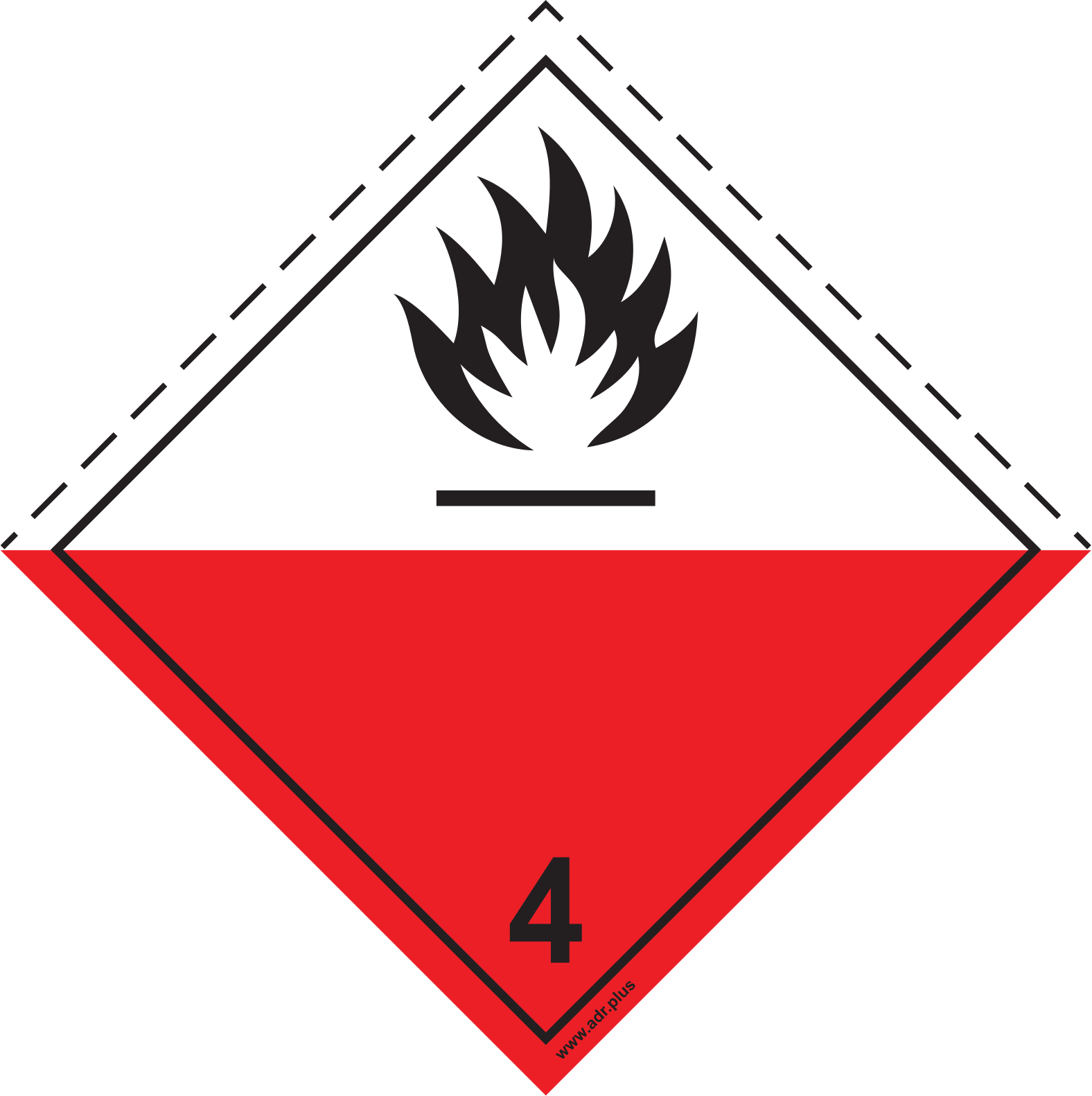
4.1. Flammable solids, self-reactive substances, polymerizing substances and solid desensitized explosives | Matches, sulphur, celluloid. Ignite from a spark or friction. |
 |
4.2. Substances liable to spontaneous combustion | White phosphorus, celluloid scrap, some metal powders, activated carbon. Heat up and ignite in air without an external source. |
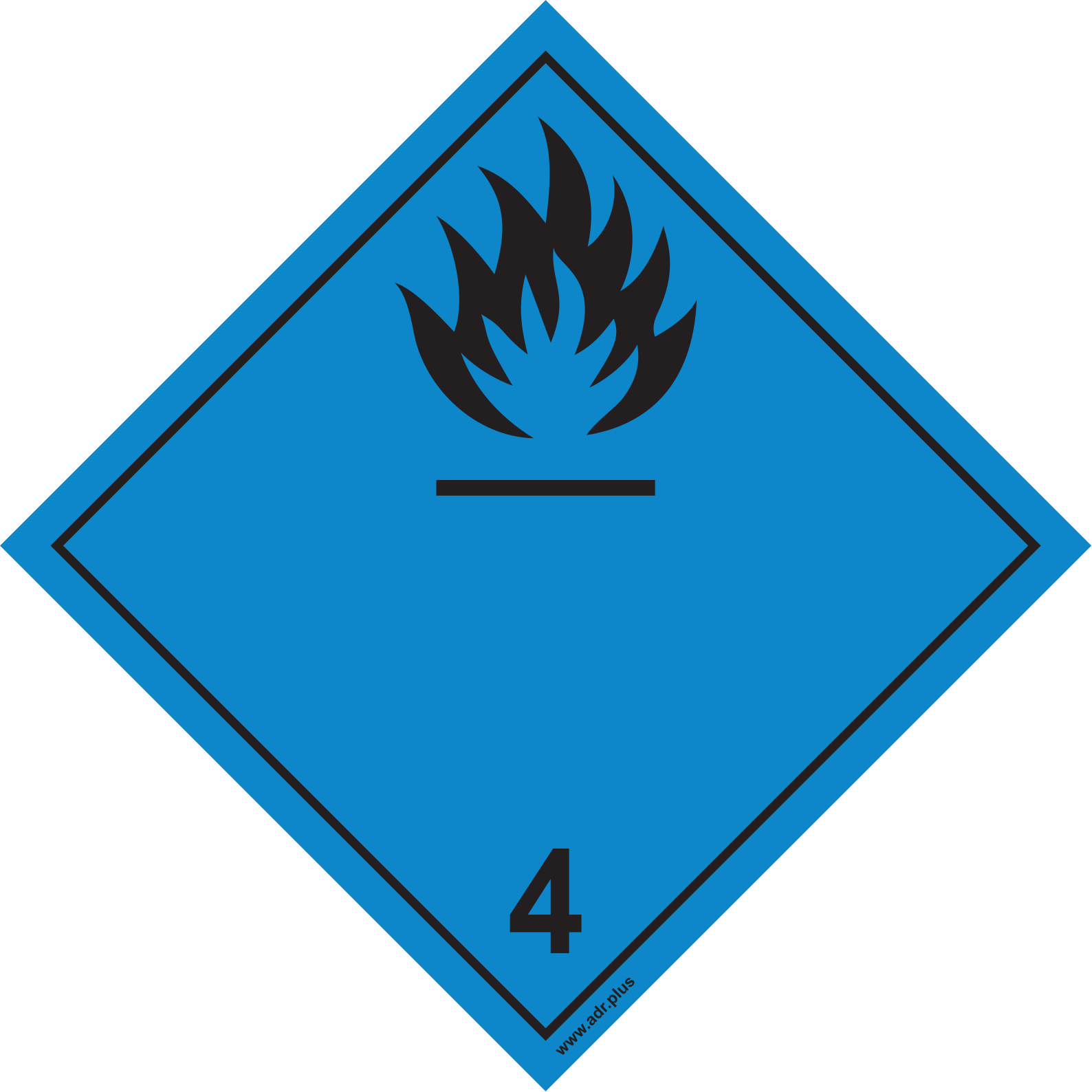 |
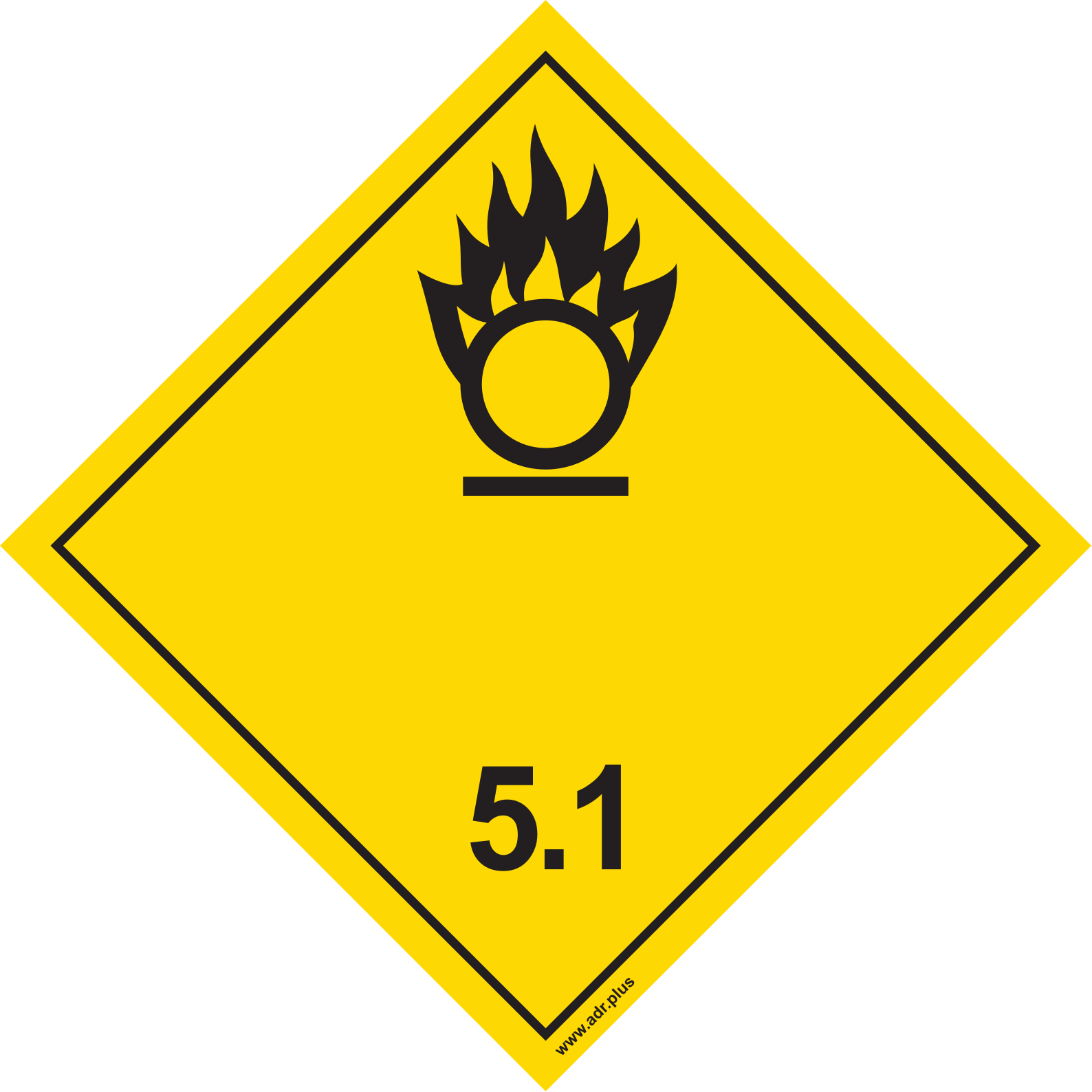
4.3. Substances which, in contact with water, emit flammable gases | Sodium, calcium carbide, uncoated aluminium powder. Must not be extinguished with water — the one thing the driver and the warehouse must know. |
 |
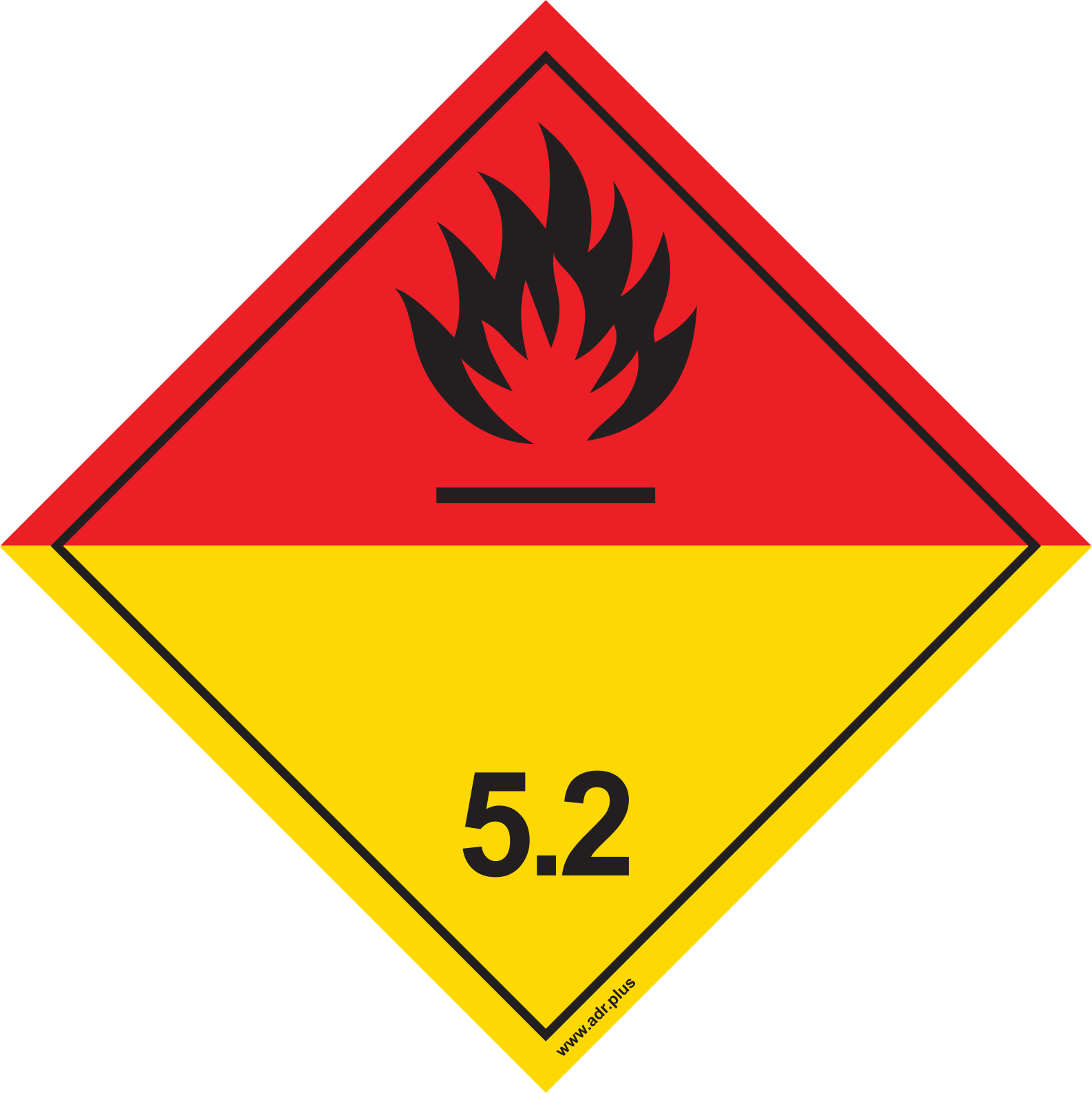
5.1. Oxidizing substances | Hydrogen peroxide, ammonium nitrate, ammonium nitrate based fertilizers, calcium hypochlorite for pools. Do not burn themselves but intensify the burning of everything around. |
 |
5.2. Organic peroxides | Resin hardeners, polymerization initiators. Unstable, and some of them require temperature control in carriage. |
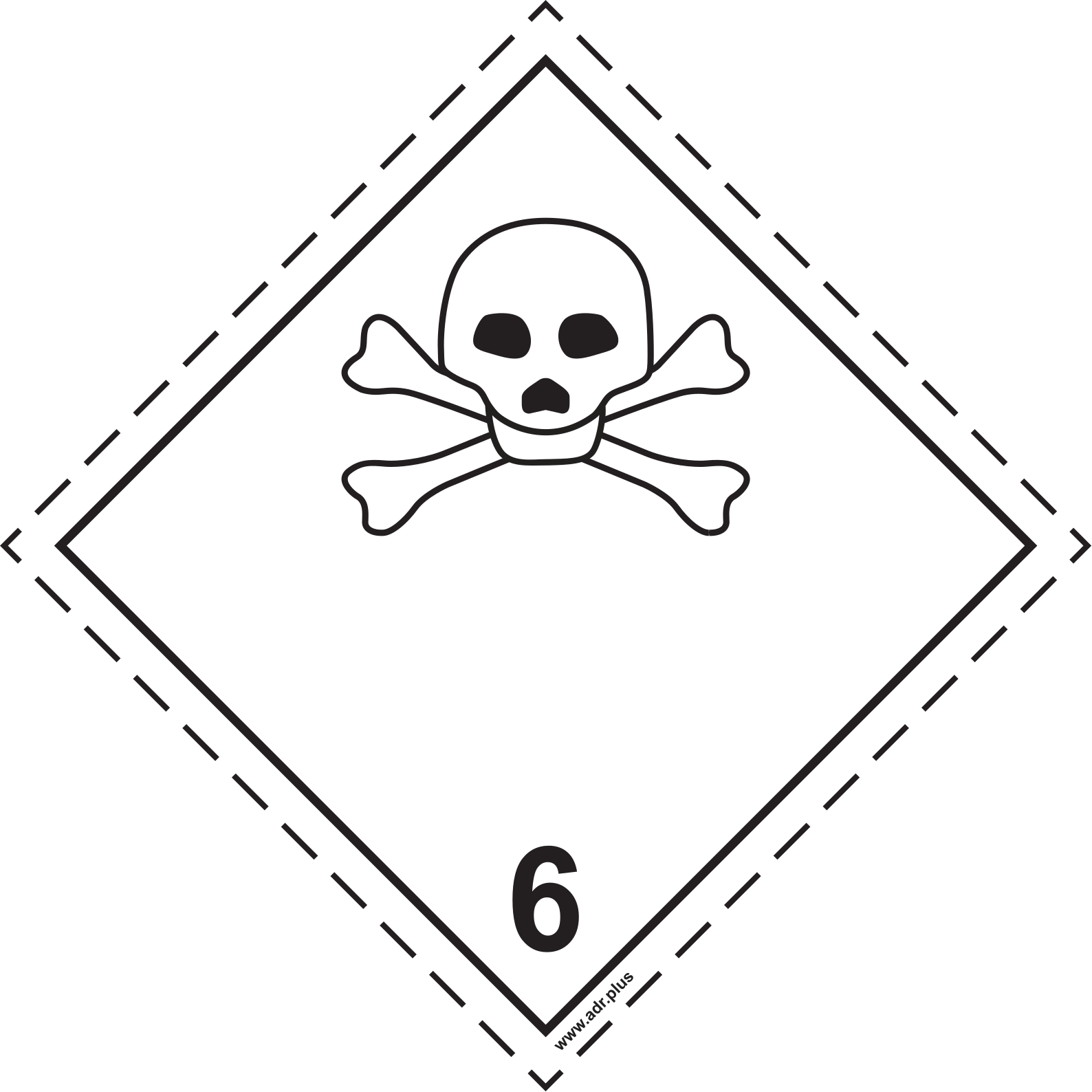 |
6.1. Toxic substances | Pesticides, cyanides, methanol, phenol, some laboratory reagents. Dangerous when inhaled, swallowed or in contact with skin. |
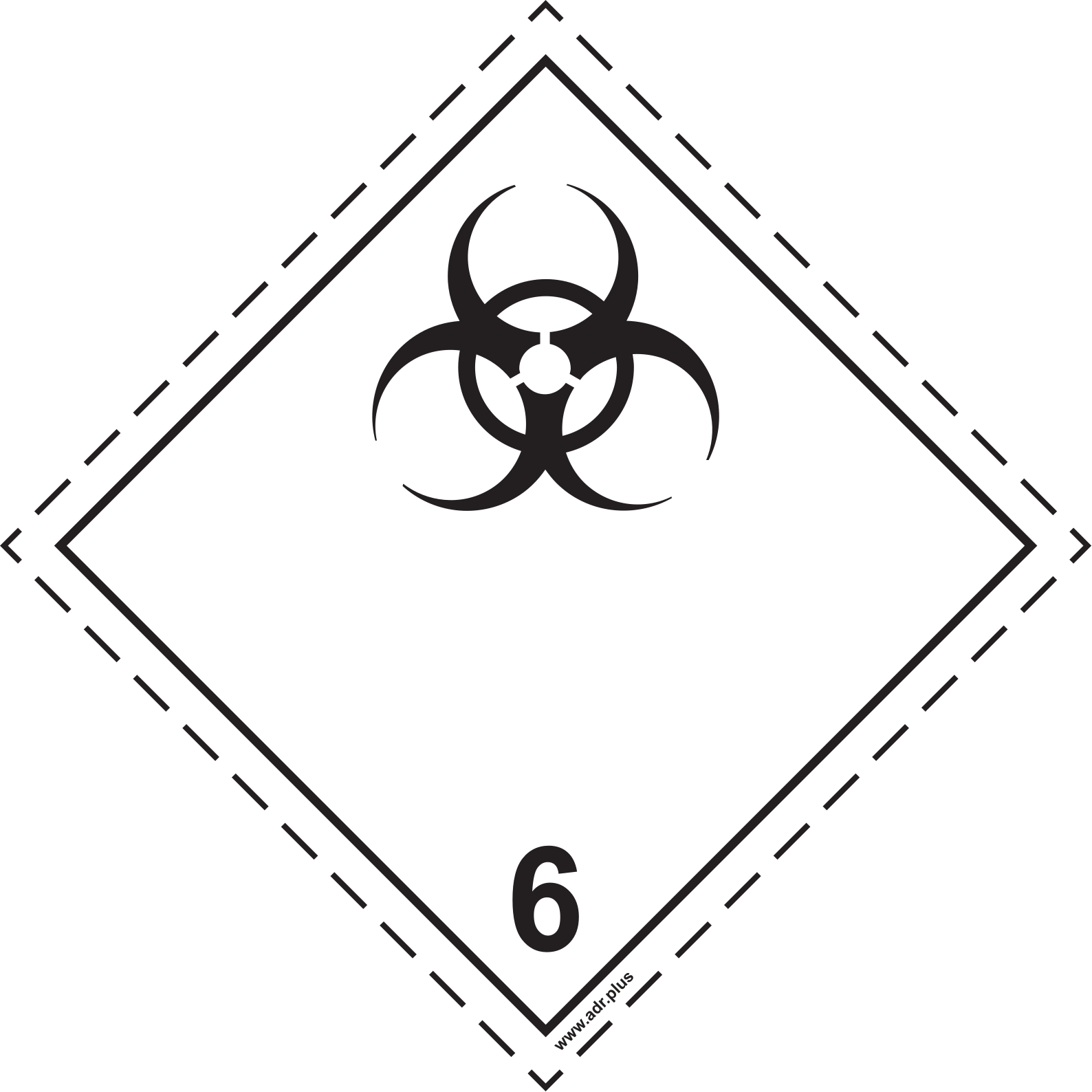 |
6.2. Infectious substances | Medical specimens, cultures of micro-organisms, medical waste. A packaging system of its own, with categories A and B. |
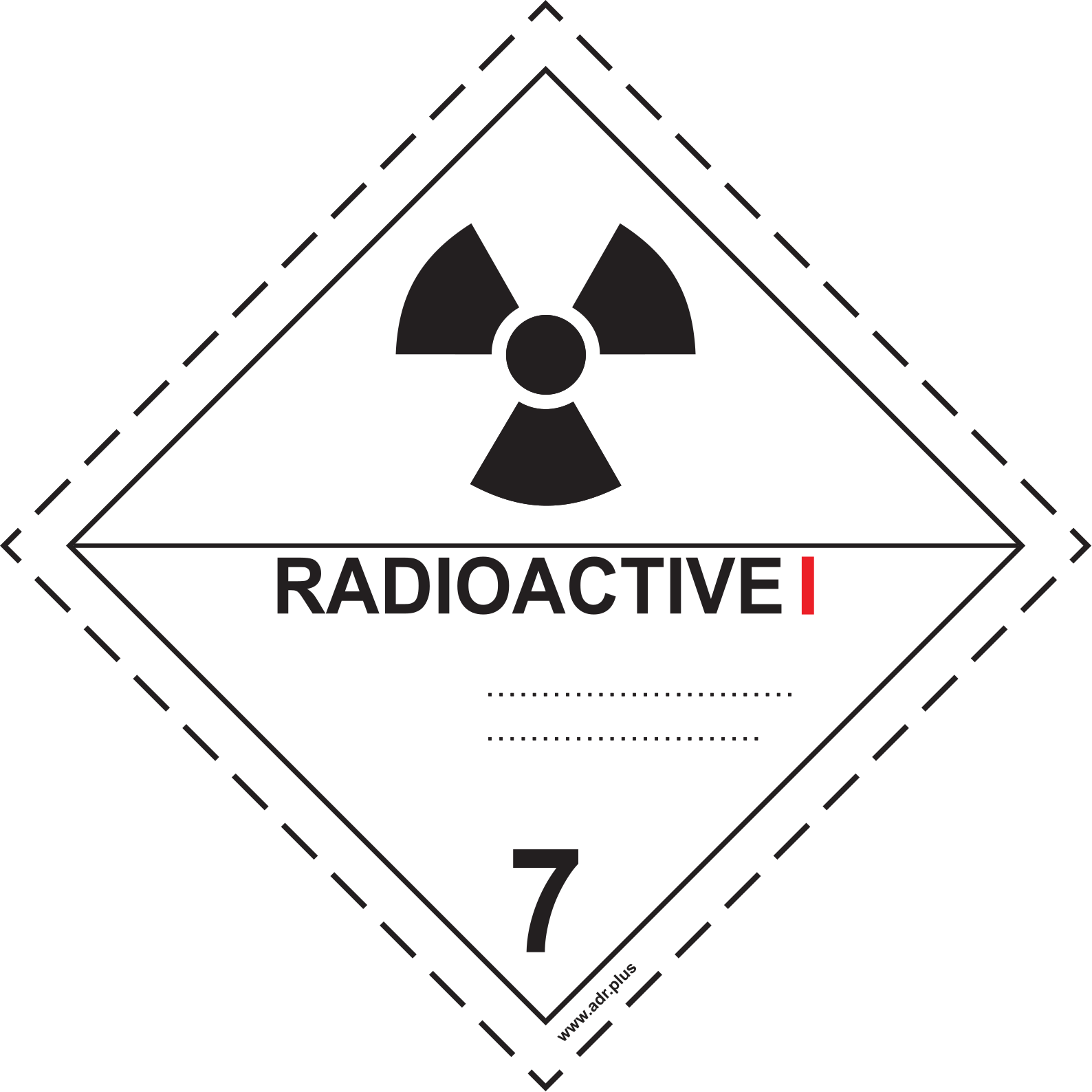 |
7. Radioactive material | Sources for radiography, medical isotopes, instruments with radioactive components. Three label categories — 7A, 7B and 7C — by transport index and dose rate at the package surface, plus a separate 7E label for fissile material. |
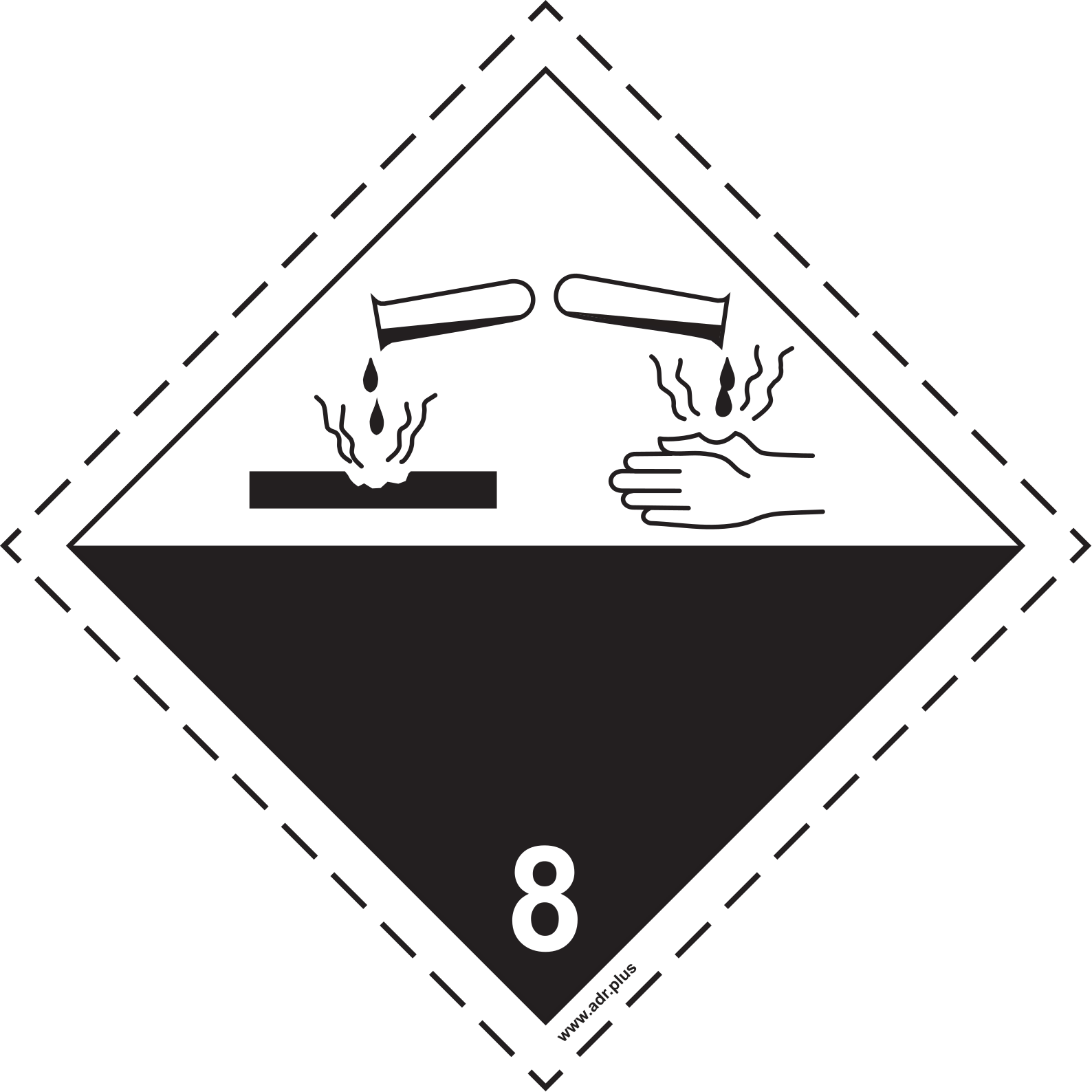 |
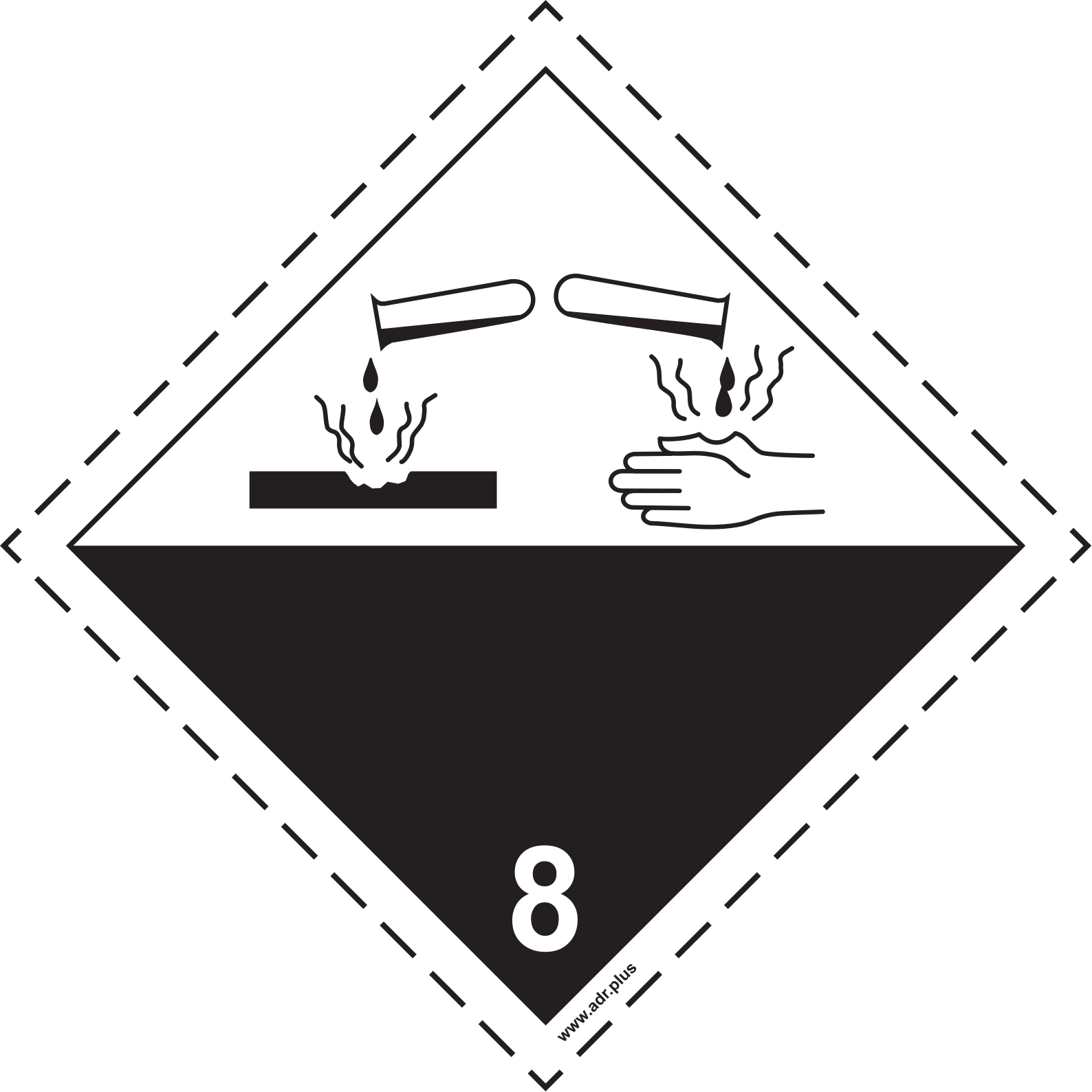
8. Corrosive substances | Acids, alkalis, battery electrolyte, drain cleaners, some cleaning concentrates. Destroy skin, metal and packaging. |
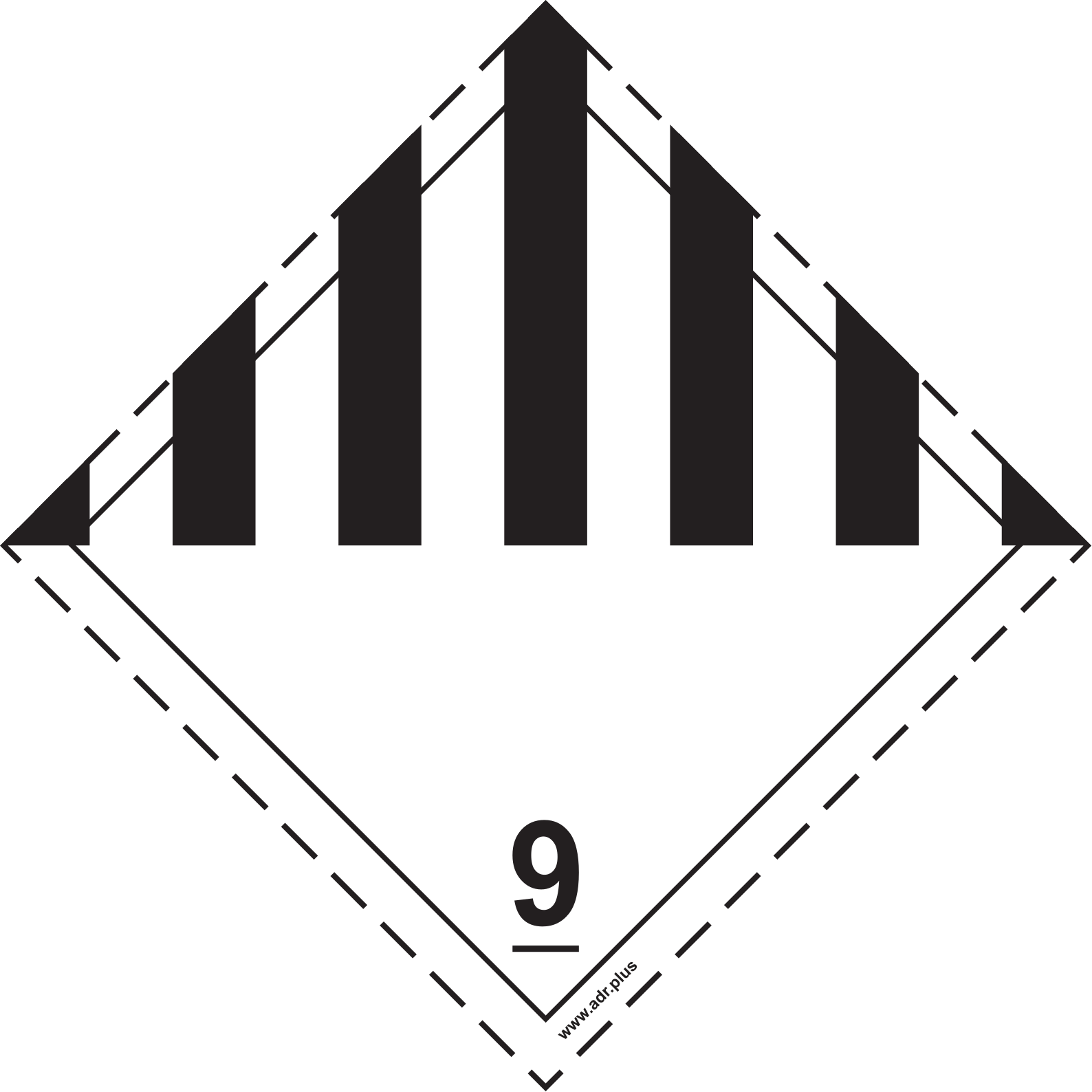 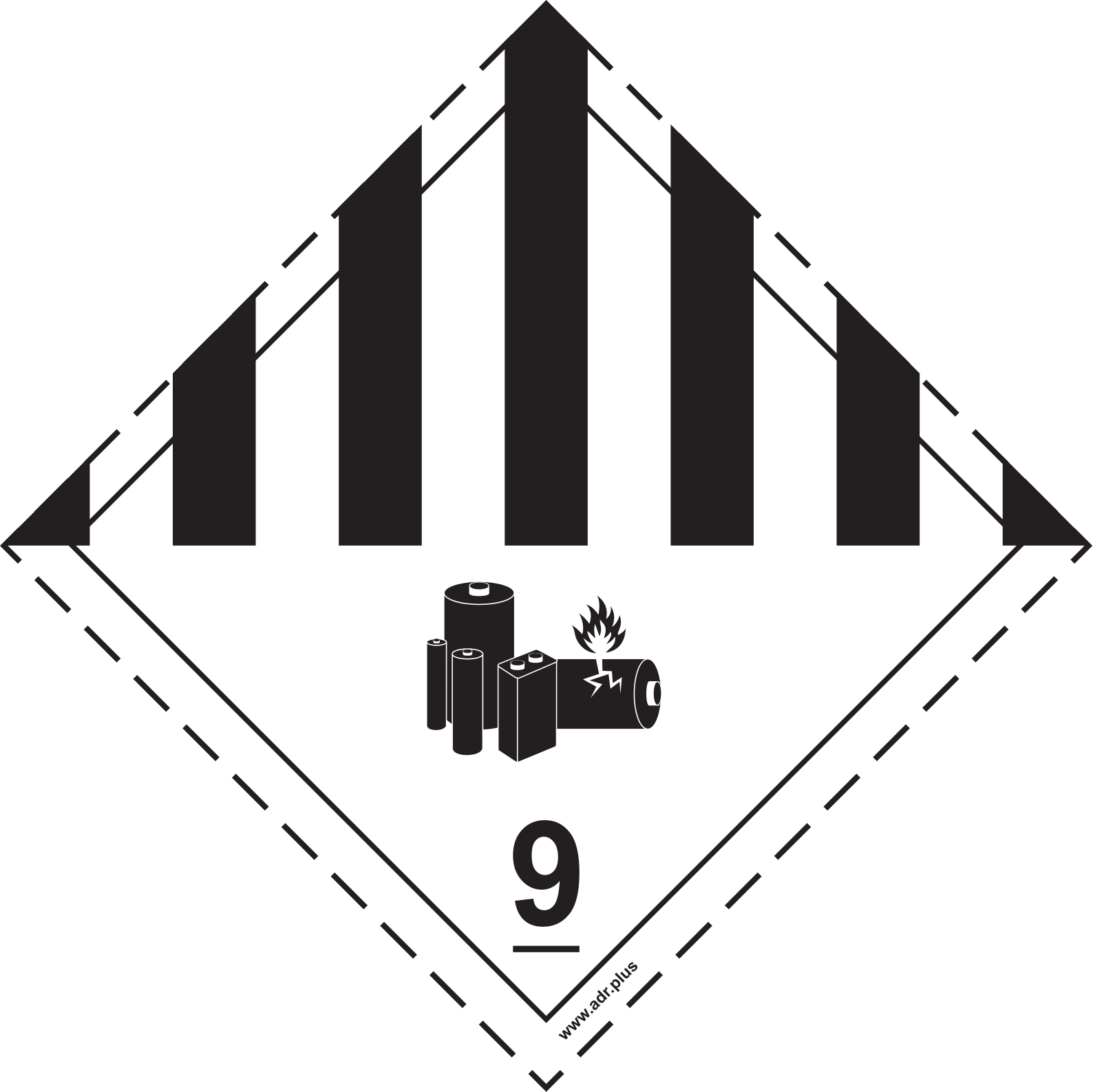 |
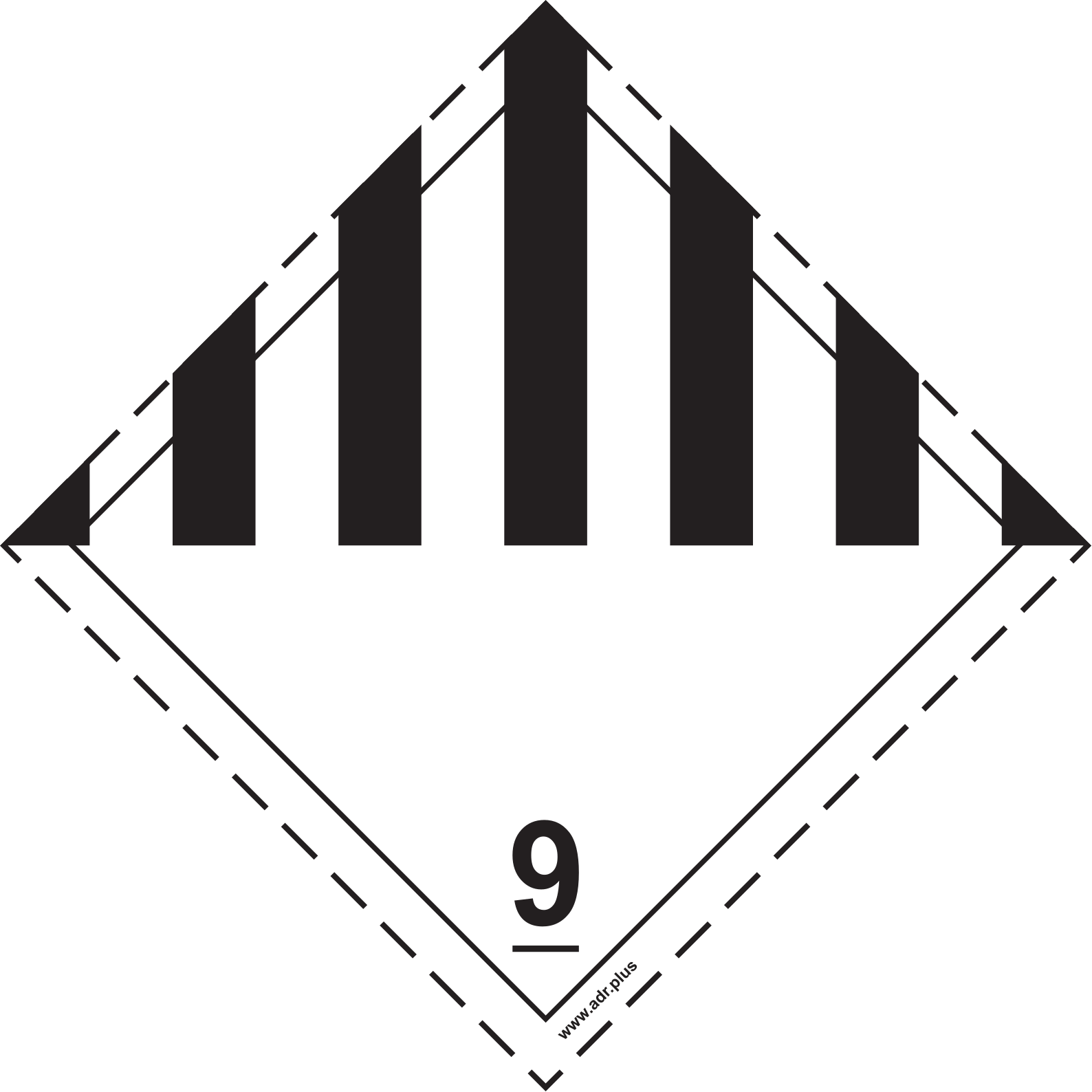
9. Miscellaneous dangerous substances and articles | Lithium batteries, environmentally hazardous substances, asbestos, airbags, elevated temperature substances, dangerous goods in machinery. A separate label 9A — for lithium and sodium ion batteries. |
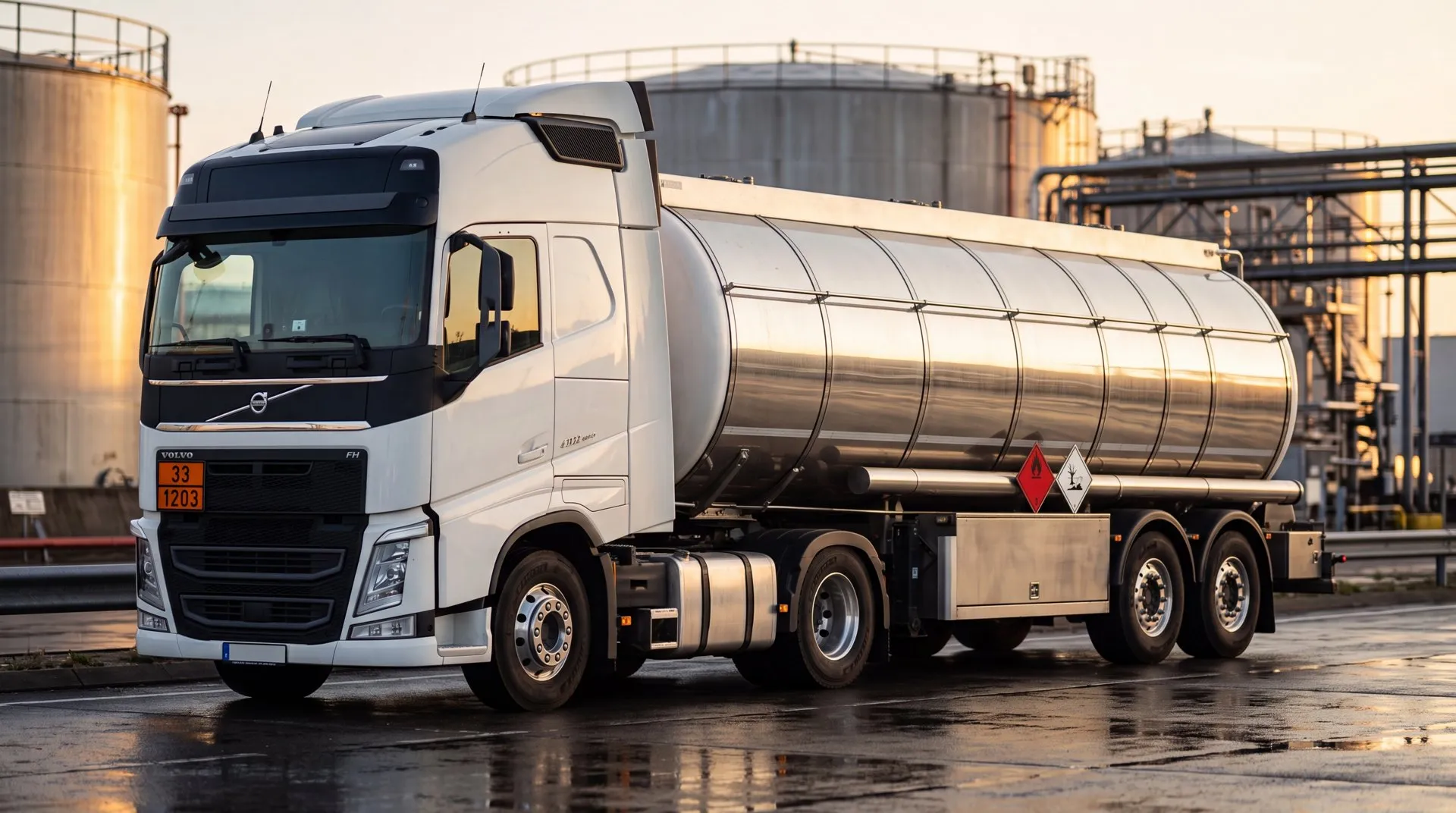
A label on a package is a square set on a point, at least 100 × 100 mm under 5.2.2.2.1.1.2, and only where the package is too small may it be reduced proportionally. On vehicles and containers the same designs are enlarged to placards of at least 250 × 250 mm under 5.3.1.7.1. The symbol, the background colour and the figure in the bottom corner come from the specimens in 5.2.2.2.2, so a label printed on an office printer in a different shade does not count at an inspection.
Subsidiary hazards
Many substances are dangerous in two ways at once. Then the package carries two labels — for the primary hazard and the subsidiary one. The classic example is methanol, class 3 with a 6.1 subsidiary label. Which labels are required is written in column 5 of Table A for every UN number.
Where to find the class of your goods
The class is not determined by eye and not chosen “by analogy”. The procedure is this.
- Section 14 of the supplier safety data sheet. It gives the UN number, proper shipping name, class and packing group for carriage by road.
- Table A of ADR chapter 3.2 against the UN number. It gives the labels, special provisions, limited quantities, tunnel code and transport category for the 1.1.3.6 calculation.
- If there is no safety data sheet or the section is empty, the consignor classifies the goods under the criteria of Part 2 of ADR. Under 1.4.2.1.1 (a) the consignor has to ascertain that the goods are classified and authorized for carriage, and the carrier will not do it for him.
An error in the class drags everything else with it — the wrong packaging, the wrong labels, the wrong document. That is why the first thing a DGSA does with a new consignment is compare section 14 with Table A. Hazard labels for packages and placards for vehicles in the correct size and execution are available in our shop — printed to the ADR specimens, without “roughly similar” shades.