







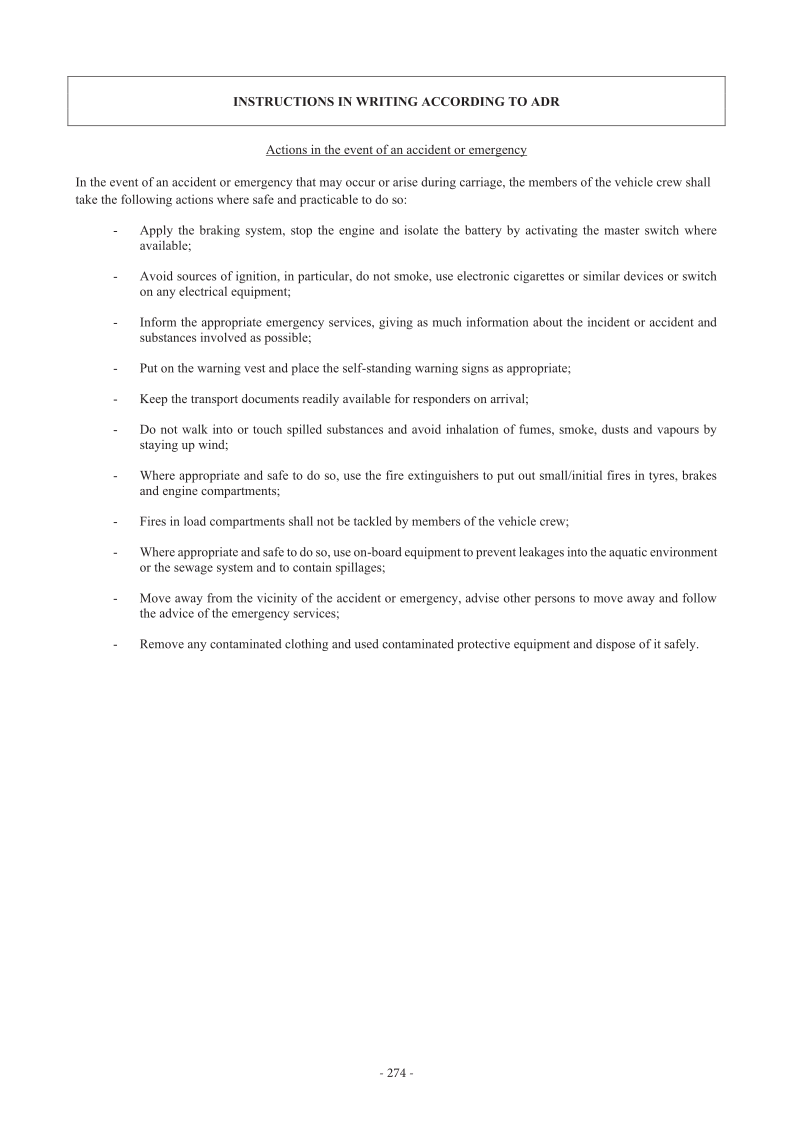
When a consignment crosses more than one transport mode — typically road to sea, or road to air — a single document is prepared that satisfies the information requirements of all modes involved. That is the Multimodal Dangerous Goods Declaration (DGD).
Relationship to ADR. For a purely road leg inside Europe the ADR transport document of 5.4.1 is sufficient. Once the consignment enters the sea or air leg, IMDG (5.4.5) or IATA DGR Section 8 requirements take over. In practice the shipper prepares a combined DGD carrying all ADR fields (5.4.1.1.1 a–k) plus the mode-specific fields below.
Core DGD fields (5.4.5, IMDG Code)
- Shipper, consignee, carrier
- UN number, proper shipping name, class, packing group, tunnel restriction code (for the road leg)
- Number and kind of packages, total quantity per UN number
- Marine pollutant indicator —
MARINE POLLUTANTin capitals where the substance qualifies under IMDG 2.10 - EmS reference — emergency schedule code
F-xfor fire andS-xfor spill (from the IMDG Dangerous Goods List and the EmS Guide) - Flash point in °C (closed cup) where applicable
- Limited-quantity indication where applicable
- 24-hour emergency contact telephone number
- Shipper’s certification — “I hereby declare that the contents of this consignment are fully and accurately described above by the proper shipping name, and are classified, packaged, marked and labelled, and are in all respects in proper condition for transport according to the applicable international and national governmental regulations.”
- Signature, name and title of the shipper
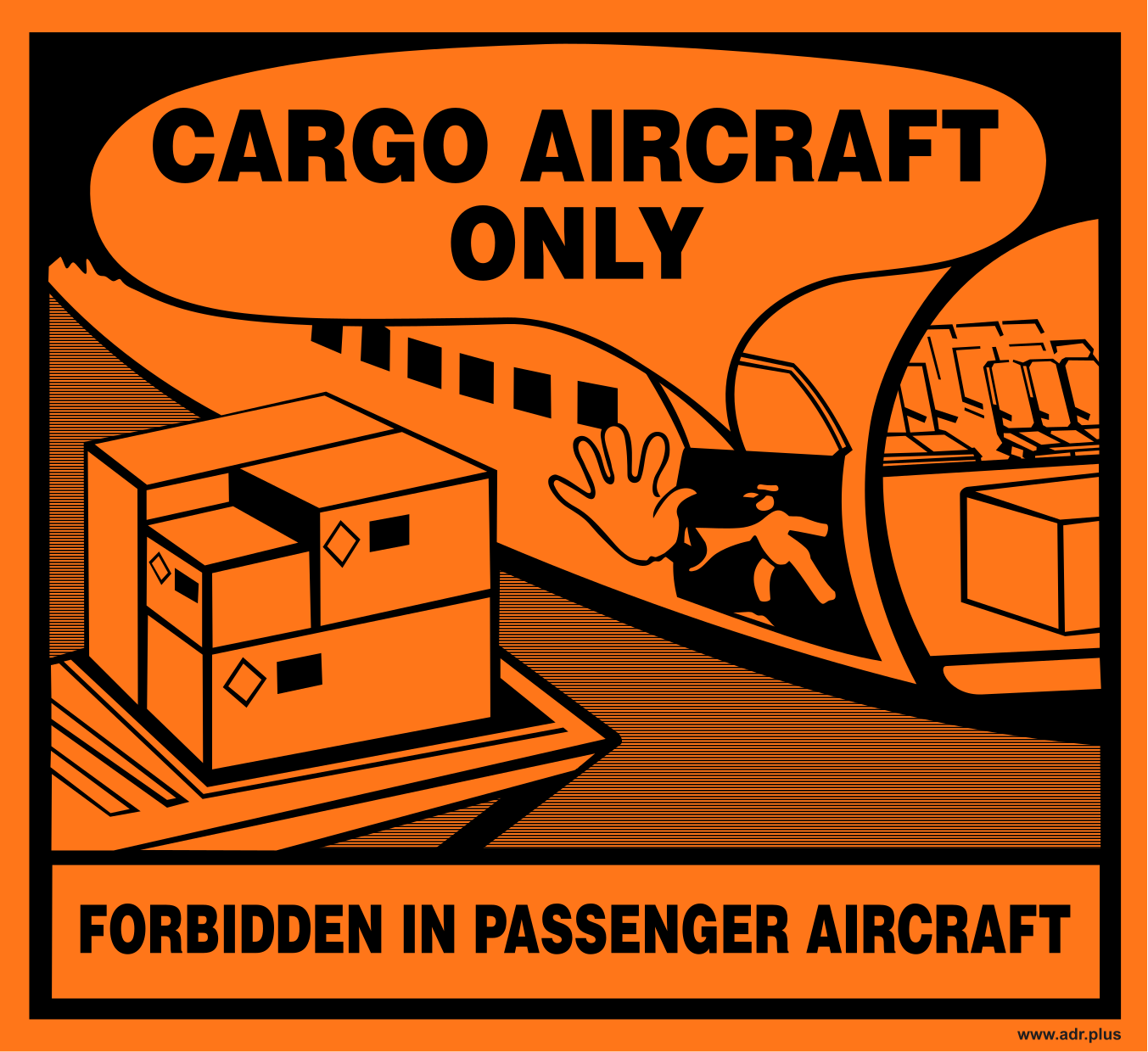
IATA Shipper’s Declaration. For the air leg a separate Shipper’s Declaration is used — as a rule required when dangerous goods travel by air beyond reliefs such as excepted quantities. Different format (two-column packaging boxes, Cargo Aircraft Only indicator), issued on the red-striped form of DGR 8.
Road leg of a sea consignment (5.4.1.4.2). The ADR transport document for the road haul to the port may be combined with the IMDG DGD on one sheet, provided all the required fields of both regimes are present.
Common mistake — preparing only an ADR transport document for a consignment going via container ship and expecting the port to accept it. The port needs the IMDG DGD — emergency schedule code, 24-hour phone, shipper’s certification statement — and the container is held at the gate until the DGD is produced. If sea is in the chain, issue the combined DGD from the start.
References — ADR 2025 5.4.1 (ADR transport document), 5.4.1.4.2 (combined documents), IMDG Code 5.4.5 (multimodal DGD), IATA DGR 8 (Shipper’s Declaration).