




Written instructions — often called the “emergency card” — tell the crew what to do in the first minutes after an accident or emergency stop. The form and content are fixed by ADR — four pages, one model used across all 55 ADR contracting parties.
Who provides — the carrier (5.4.3.2). Not the shipper, not the driver.
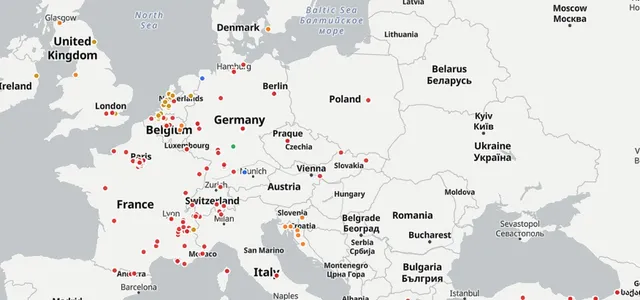
Language — one the crew can both read and understand. That usually means it has to be in the drivers’ native languages — the text is for reading in a stressful moment, not for passing a roadside check (5.4.3.2).
Where kept — readily accessible in the cab, not buried at the bottom of a folder (5.4.3.1, 8.1.2.3).
Before the trip (5.4.3.3) — every crew member must inform themselves of the goods loaded and consult the instructions. This is a short pre-trip check, not the 8.2.1 driver course.
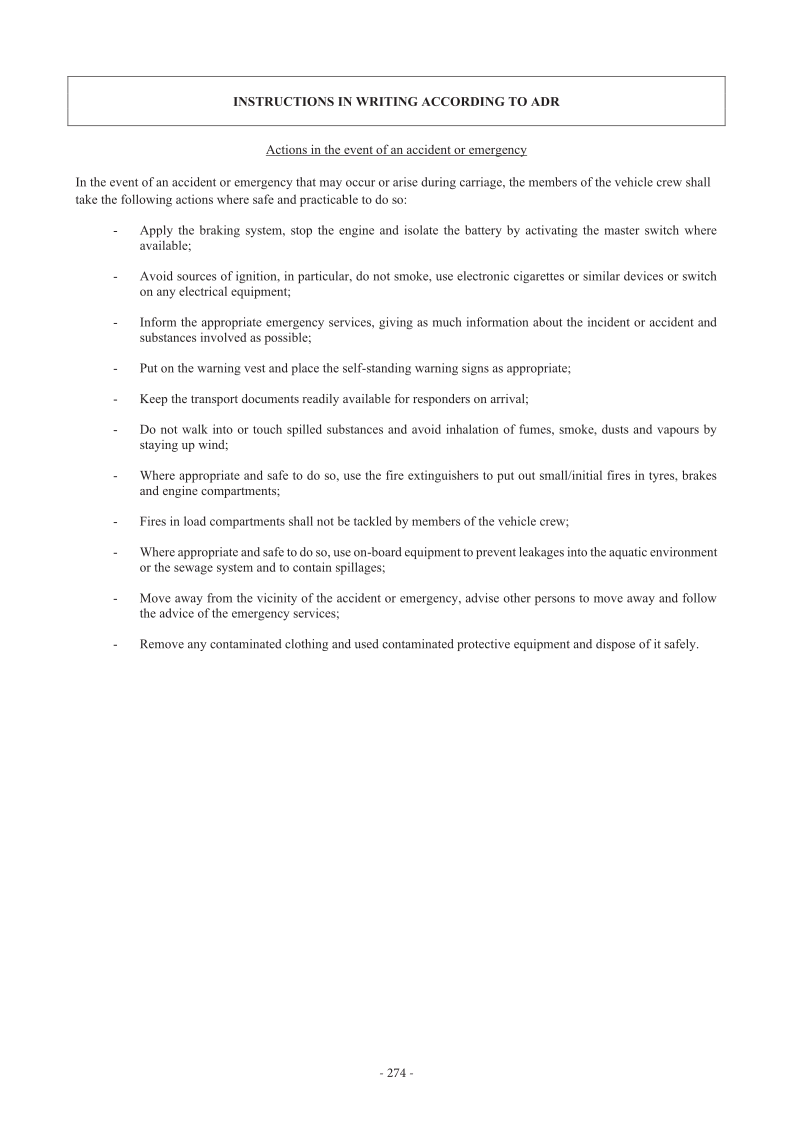
What the four-page model contains (5.4.3.4)
- Actions at the scene — parking brake, engine off, battery master switch, avoid ignition sources, warning vest, self-standing warning signs, call emergency services.
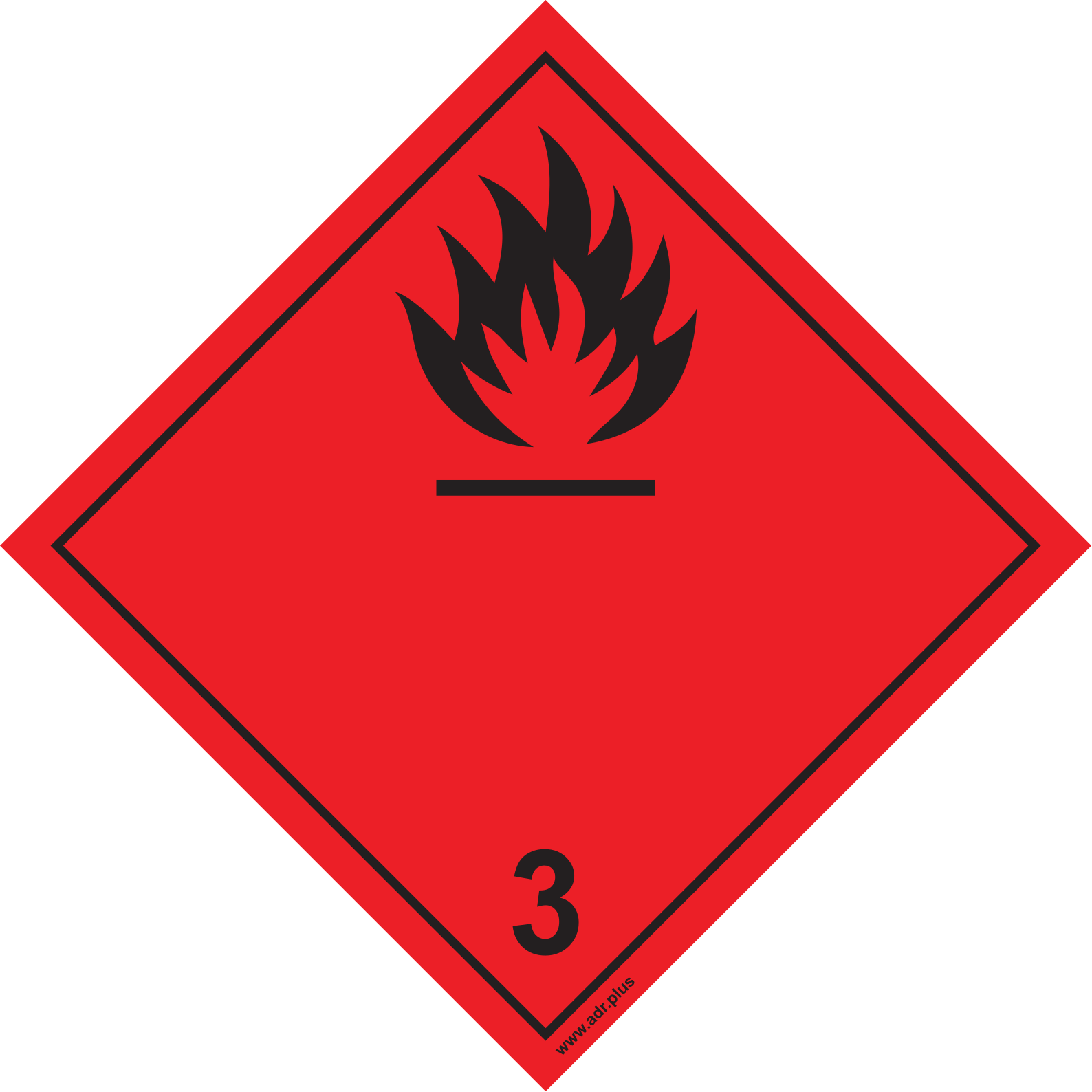
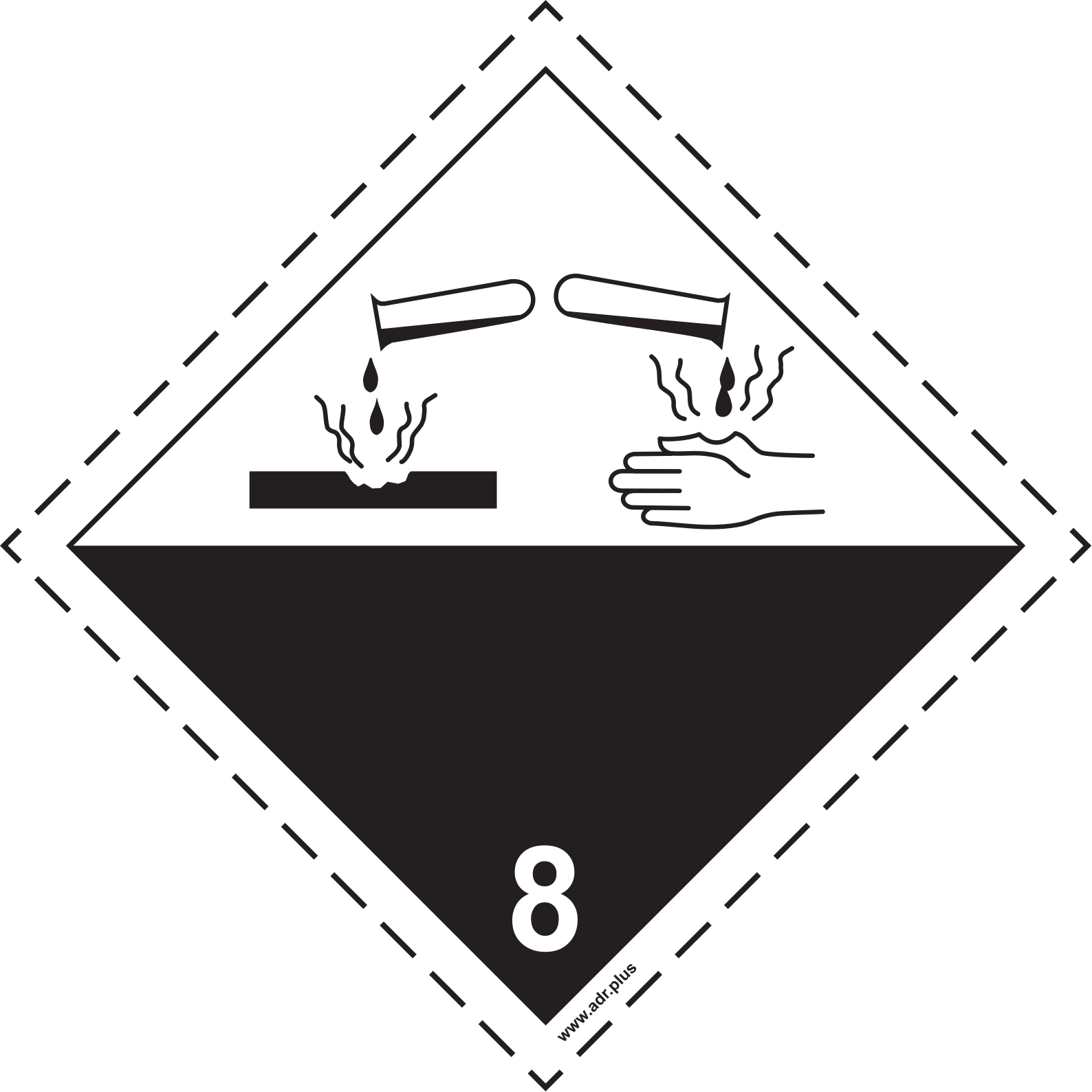
- Additional guidance by hazard label number (1, 2.1, 3, 6.1, etc.) — one line per class.
- Additional guidance for hazard markings (elevated temperature, environmentally hazardous, etc.).
- Required equipment list — what the crew must have on board (see the 8.1.5 equipment card).
Common mistake — the carrier keeps the original English model and hands it to a Latvian driver who doesn’t read English. That fails 5.4.3.2 on the spot — the crew has to actually understand what’s written.
References — ADR 2025 5.4.3 (written instructions — provision, language, model), 8.1.2.3 (accessibility in cab).