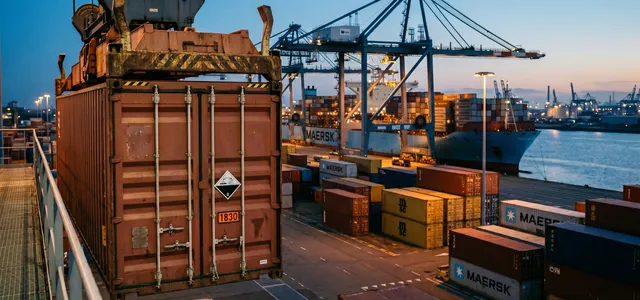
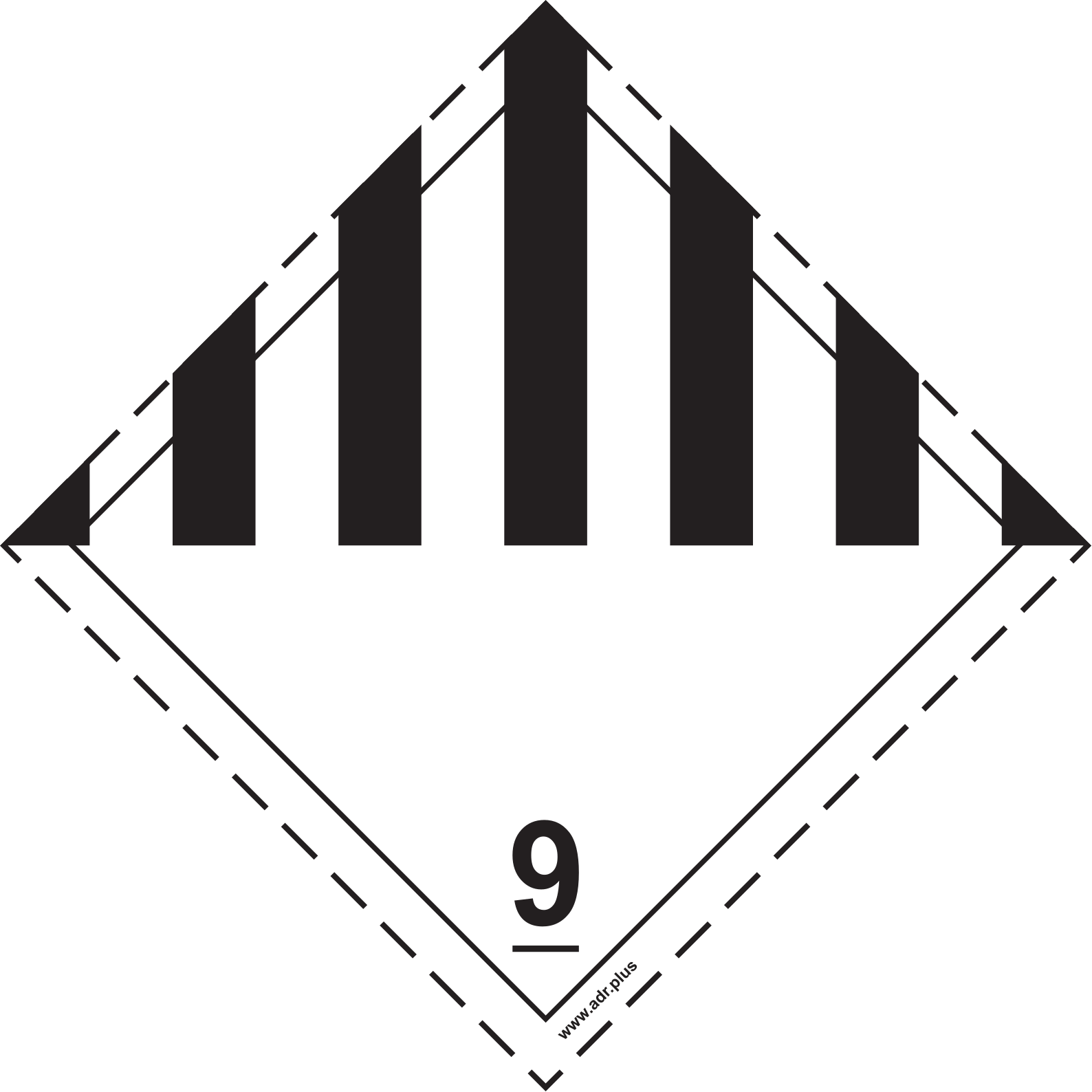

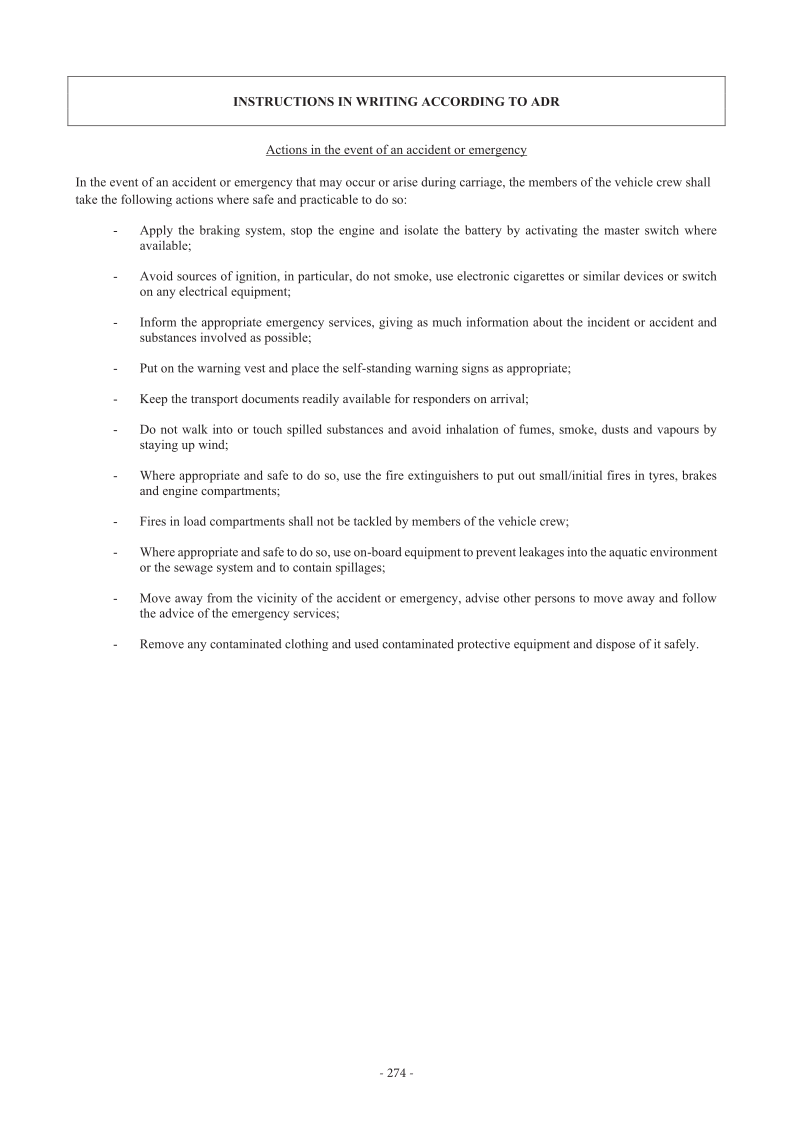


For most companies the word “ADR” first appears not in a textbook but in an e-mail from a haulier — “send the ADR document or we will not carry it”. Or in an inspection report. Here is what stands behind those three letters and why they apply to a far wider circle of companies than is commonly assumed.
Where the agreement comes from
ADR is the Agreement concerning the International Carriage of Dangerous Goods by Road, developed under the United Nations Economic Commission for Europe. It was signed in Geneva on 30 September 1957 and entered into force on 29 January 1968. In documents, on plates and in every conversation with a haulier across Europe, one designation is used — ADR.
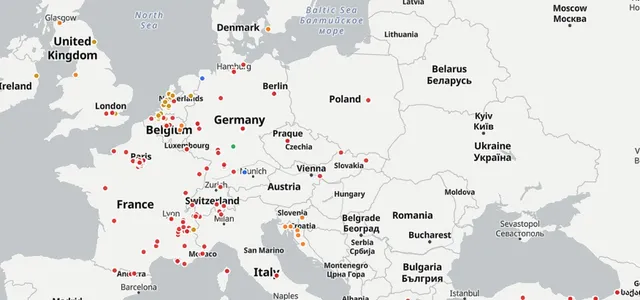
The word “European” has since been dropped from the title by a protocol agreed in Geneva in 2019. That is no formality — countries outside Europe joined long ago, and there are now 55 contracting parties, from Portugal to Kazakhstan and from Norway to Morocco.
The agreement itself is short. Everything of substance sits in two technical annexes.
- Annex A (Parts 1 to 7) — general provisions and provisions concerning dangerous substances and articles. Classification, the list of substances with UN numbers, packaging, marking, documents, the obligations of participants.
- Annex B (Parts 8 and 9) — provisions concerning transport equipment and transport operations. Requirements for vehicles, crews, equipment and vehicle approval.
The annexes are revised every two years. ADR 2025 is in force now, and ADR 2027 takes effect on 1 January 2027 with a transitional period to 30 June 2027, during which the previous edition may still be applied.
How ADR works inside the European Union
An international agreement by itself governs transport between countries. Inside the EU that gap was closed by Directive 2008/68/EC on the inland transport of dangerous goods. It extends Annexes A and B to transport within each member state, so a van of paint travelling between two towns in the same country follows the same rules as a truck crossing three borders.
National law anchors this at country level and adds what ADR does not contain — liability, competent authorities and the inspection regime. Under 1.8.1 those authorities may run spot checks on their own territory at any time.
Whom ADR binds
The most common misconception is that ADR is a matter for hauliers. Chapter 1.4 lists the participants in carriage and assigns obligations to each.
- The consignor is responsible for classification, packaging, marking and documents.
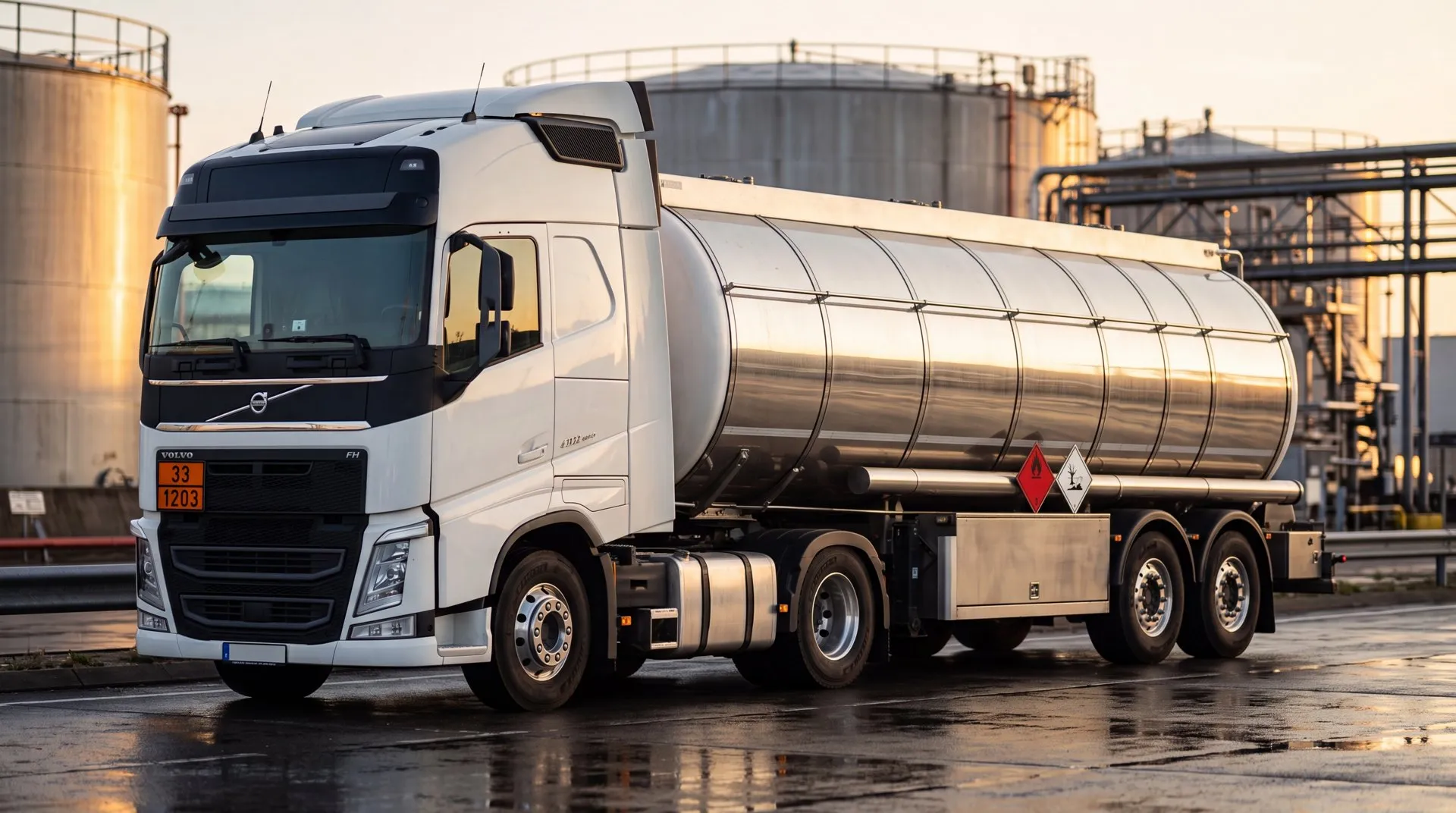
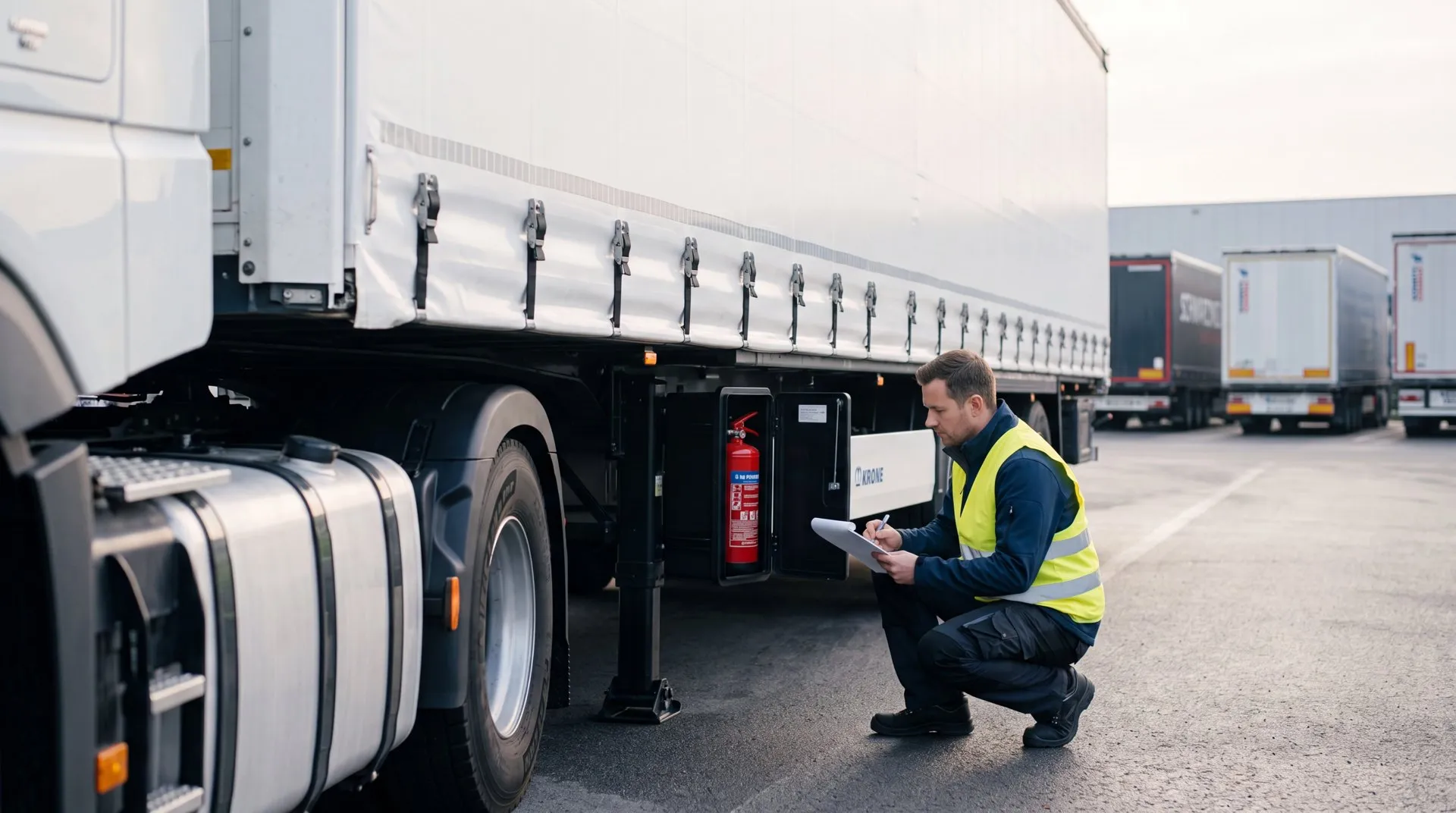
- The carrier checks that the goods are permitted, the documents are on board, and the vehicle is equipped and marked.
- The consignee must not defer acceptance of the goods without compelling reasons and, after unloading, verifies that the requirements addressed to it have been met.
- The loader, packer, filler, unloader and tank-container or portable tank operator each have a list of their own.
A separate obligation under 1.8.3 is to appoint a dangerous goods safety adviser (DGSA) in every undertaking whose activities include the consignment or carriage of dangerous goods by road, or the related packing, loading, filling or unloading. A competent authority may exempt undertakings that stay under the quantity limits of 1.1.3.6 and chapters 3.3 to 3.5, but that is the state’s decision, not the company’s.
What counts as dangerous goods
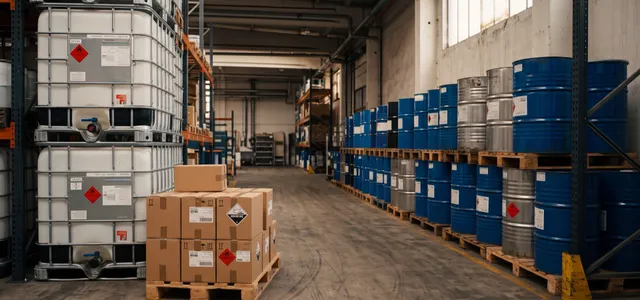
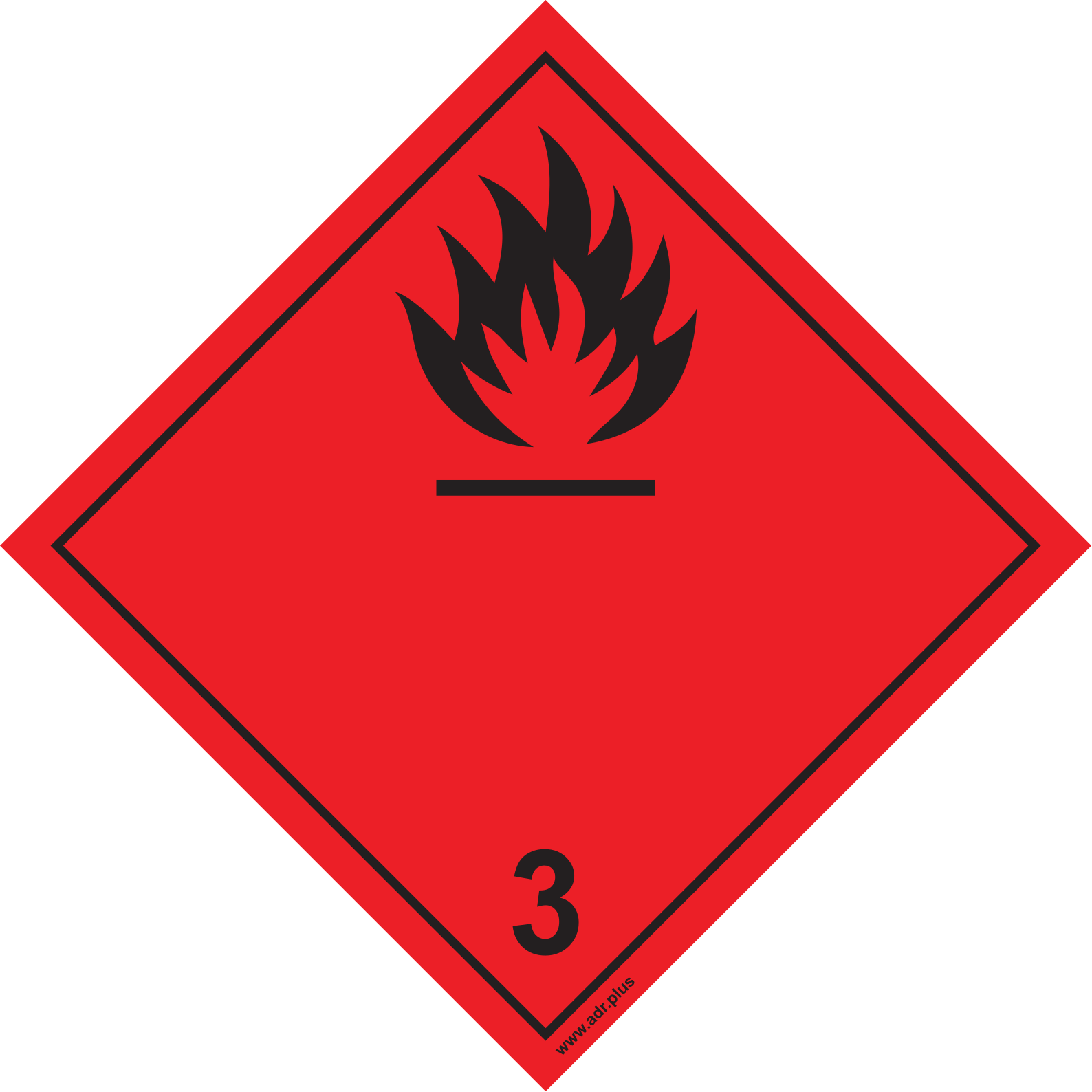
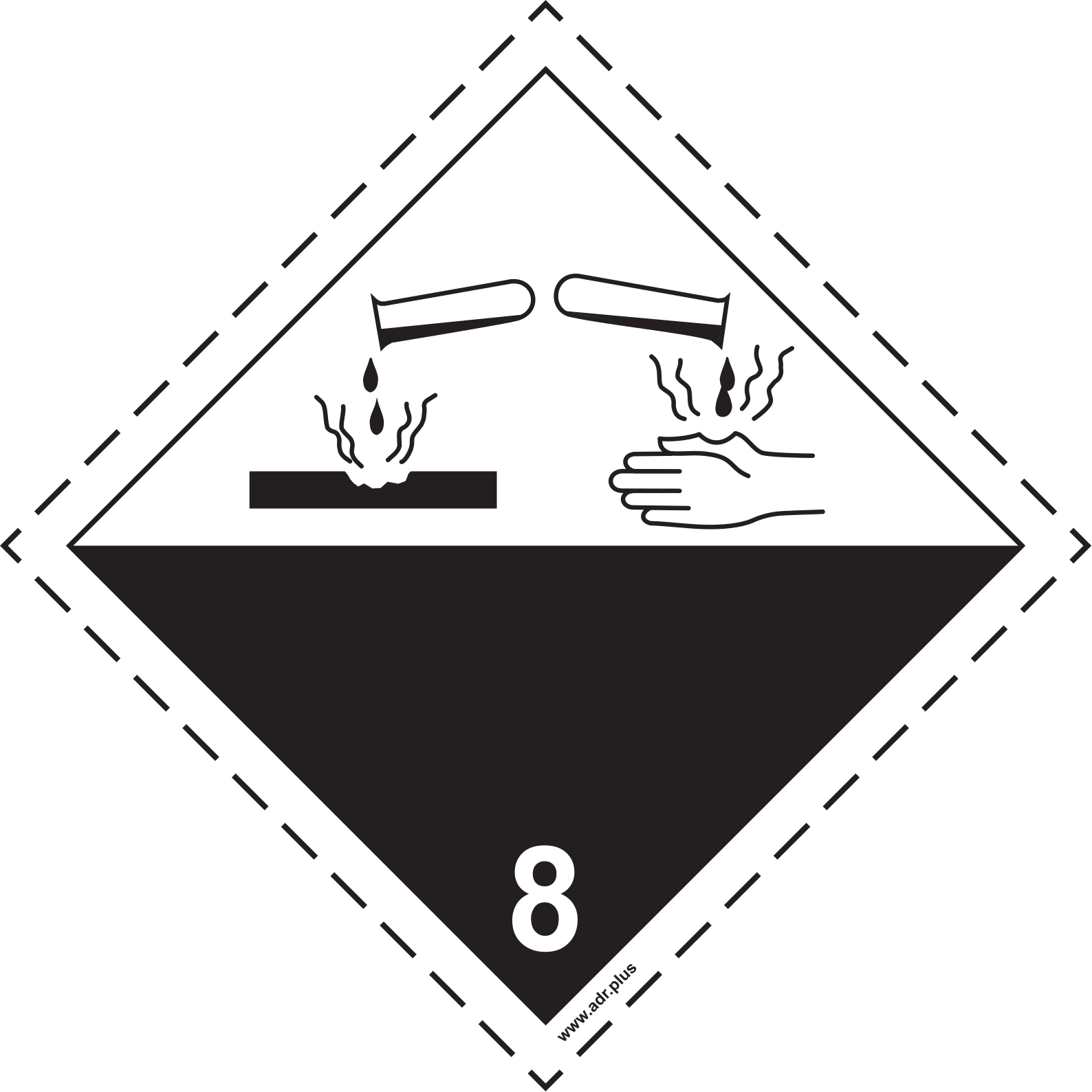
ADR has no notion of “slightly dangerous”. A substance is either assigned to an ADR class and given a UN number, or it is not. Solvent-based paint, a disinfectant, a propane cylinder for a forklift, an e-scooter battery, a pesticide, furniture lacquer — all are dangerous goods with UN numbers. Section 14 of the safety data sheet says so plainly, but it is rarely read before the first inspection.
There are exemptions. Limited quantities under chapter 3.4 and the 1.1.3.6 rule allow small consignments to travel without part of the requirements. But an exemption has to be calculated and evidenced — “we only ship a little” is not a calculation.
What ignorance costs
Not knowing ADR costs in three ways. First, a haulier or a port refuses the consignment and the batch stands still. Second, administrative liability under national law, which falls on the company and its managers, not only on the driver. Third, and most expensive, an incident with dangerous goods, where the absence of an adviser, instructions and training becomes the subject of an investigation.
How to tell whether this applies to you
Answer three questions.
- Is there anything among your products, raw materials or consumables with a UN number in section 14 of its safety data sheet?
- Do you consign, receive, store, load or fill it at least occasionally?
- Has the quantity been calculated under the 1.1.3.6 rule, and is the calculation on file?
Two “yes” and one “no” is the most common picture in companies meeting ADR for the first time. It does not mean you are in breach. It means the position has not been checked. The check takes less time than it seems, and its result is either peace of mind with a calculation in the folder, or a clear list of what needs to be done.